
Seasoning a ceramic frying pan is one of the easiest ways to keep your cookware nonstick, long-lasting, and enjoyable to use. Many people buy ceramic pans for their healthy cooking reputation, but they often forget that proper care is key to maintaining that slick, easy-to-clean surface. If your pan is starting to stick or look dull, don’t worry—you can restore it with the right steps. In this guide, you’ll learn not just how to season a ceramic frying pan, but also why it matters, how to avoid common mistakes, and how to keep your pan in great shape for years.
Let’s break it down so that you can start cooking with confidence and get the most from your kitchen investment.
What Is Seasoning And Why Does It Matter?
When people talk about seasoning a pan, they usually mean cast iron. But ceramic pans benefit from seasoning, too. Seasoning is a simple process where you apply a thin layer of oil and heat it. This creates a protective coating on the pan’s surface. For ceramic pans, seasoning helps keep food from sticking and protects the nonstick layer from damage.
Many people think nonstick means “maintenance-free,” but even the best ceramic pans need a little extra help. Seasoning works as a shield, especially in the first months of use. Without it, the ceramic surface can lose its nonstick power much faster.
How Seasoning Protects Your Pan
A ceramic pan has a nonstick ceramic coating. Over time, washing, high heat, and metal utensils can wear this coating down. Seasoning adds a light layer of oil, which fills tiny pores in the ceramic and prevents stuck-on food. It also helps keep the surface shiny and smooth.
It’s important to understand that ceramic coatings are not as flexible as Teflon. They are made from minerals, and even though they are tough, they can develop microscopic cracks or rough spots after repeated use. Seasoning creates a barrier, so food and water do not get into these tiny cracks and cause more damage.
The Science Behind Nonstick Surfaces
Ceramic coatings are made from silica gel, which is derived from sand. When you season a pan, you’re not bonding oil to metal (like with cast iron), but you are creating a thin barrier that blocks food and moisture from interacting with the ceramic. This is why even a new ceramic pan can benefit from a quick seasoning before first use.
A nonstick surface works best when it’s smooth at the microscopic level. Even small scratches or leftover food can cause sticking. Think of seasoning as filling in those invisible gaps, so your pan stays as close to “like new” as possible.
This is especially important if you notice your pan has lost its original shine or if food starts to brown unevenly.
Tools And Ingredients You Need
Before you start seasoning, gather everything you’ll need. Most items are already in your kitchen.
- Ceramic frying pan (clean and dry)
- Cooking oil (grapeseed, avocado, or canola oil are best; avoid butter or olive oil for seasoning)
- Paper towels or a clean soft cloth
- Stove or oven
- Mild dish soap
- Warm water
It’s a good habit to keep a dedicated soft cloth just for seasoning. This prevents smells or particles from old food transferring to your pan.
Choosing The Best Oil For Seasoning
Not all oils are equal for seasoning. You want an oil with a high smoke point—this means it won’t burn at the temperatures needed to season the pan. Grapeseed and avocado oils are popular because they can handle high heat and don’t leave a strong smell or taste.
Some people use sunflower or peanut oil, but these can sometimes leave a faint odor if overheated. For seasoning, neutral-tasting oils work best. Also, using organic or cold-pressed oils isn’t necessary for seasoning—regular refined oil is fine.
Common Oils And Smoke Points
| Oil Type | Smoke Point (°F) | Good for Seasoning? |
|---|---|---|
| Grapeseed Oil | 420 | Yes |
| Avocado Oil | 520 | Yes |
| Canola Oil | 400 | Yes |
| Olive Oil | 375 | No |
| Butter | 350 | No |
Helpful tip: Always check oil labels for their smoke point, especially if you live at high altitudes where oils can smoke at lower temperatures.

Credit: svrve.com
When Should You Season A Ceramic Frying Pan?
Seasoning is not a one-time job. Here are the key moments when you should season your ceramic pan:
- Before first use: Most new ceramic pans benefit from seasoning right out of the box.
- After deep cleaning: If you scrub the pan or use baking soda to remove stains, season it again.
- If food starts sticking: When eggs or pancakes begin sticking, it’s time to re-season.
- Every few weeks: Light seasoning every month keeps the surface smooth.
Some manufacturers say their ceramic pans are “pre-seasoned,” but it’s still a good idea to season at home. This adds an extra layer of protection, especially after the stress of shipping and handling.
Many people skip the first seasoning and wonder why their pan does not perform as expected. Don’t make this mistake!
Step-by-step: How To Season A Ceramic Frying Pan
Now let’s walk through the actual process. This method works for both stovetop and oven seasoning.
1. Wash And Dry Your Pan
Wash the ceramic pan with mild dish soap and warm water. This removes any factory residue, dust, or leftover food. Rinse well and dry completely with a towel. Even a little water can block the oil from bonding to the surface, so make sure it’s bone dry.
If your pan is brand new, you might notice a powdery or slippery film—this is normal and comes from packaging. Washing it off is essential for a good seasoning layer.
2. Add A Thin Layer Of Oil
Pour about one teaspoon of your chosen oil into the pan. Use a paper towel or soft cloth to spread the oil over the entire cooking surface. Don’t forget the sides—food can stick there, too. The layer should be thin, not pooling.
A common mistake is using too much oil. If you see drops forming or the oil is sliding around, use a clean towel to wipe away the extra until only a sheen remains. Less is more.
3. Heat The Pan
Choose one of these two methods:
Stovetop Method
- Place the oiled pan on the burner.
- Set to medium heat.
- Heat for 2-3 minutes, or until you see the oil begin to shimmer (but not smoke).
- Turn off the heat and let the pan cool.
If you see smoke, remove the pan from the heat right away. Smoking means the oil is breaking down and can leave a sticky residue.
Oven Method
- Preheat your oven to 300°F (150°C).
- Place the oiled pan (handle included, if oven-safe) upside down on the middle rack.
- Place a tray or foil underneath to catch any drips.
- Bake for 30 minutes.
- Let the pan cool fully before handling.
The oven method is more hands-off and gives even results, especially for larger pans. Be careful with pans that have plastic handles—they might not be oven-safe.
4. Wipe Away Excess Oil
Once the pan is cool, use a fresh paper towel to wipe away any extra oil. The surface should feel smooth, not greasy.
Extra oil left on the pan can go rancid over time and attract dust. This is why it’s important to wipe thoroughly. A well-seasoned pan looks clean, not oily.
5. Store And Use Normally
Your pan is now ready. Use it as you would normally. For best results, repeat seasoning every few weeks, especially if you notice food starting to stick.
For extra protection, consider a light wipe of oil after each wash (before storing), but only if you cook with the pan regularly.
Common Mistakes To Avoid
Even with a simple process, it’s easy to go wrong. Here are the main pitfalls:
- Using too much oil: A thick layer can make the surface sticky instead of nonstick.
- Not heating enough: The oil must get hot enough to bond, but not burn.
- Washing with harsh abrasives: Steel wool or rough scrubbers can scratch the ceramic.
- Skipping drying: Water prevents oil from creating a good seal.
- Seasoning with flavored oils: Oils like sesame or coconut can leave unwanted smells and tastes.
Another common mistake is seasoning in a hurry. Rushing the process may lead to uneven coating, which actually increases sticking in certain spots.
How To Tell If Your Seasoning Worked
A properly seasoned ceramic pan will have a slightly glossy look. The surface will feel smooth to the touch. When you cook eggs or pancakes, they should slide easily without sticking or tearing. If you notice uneven spots or patches, try seasoning again with a thinner coat of oil.
If the surface feels tacky or sticky, there was too much oil or the pan was not heated enough. In that case, wash with warm soapy water and repeat the seasoning process.
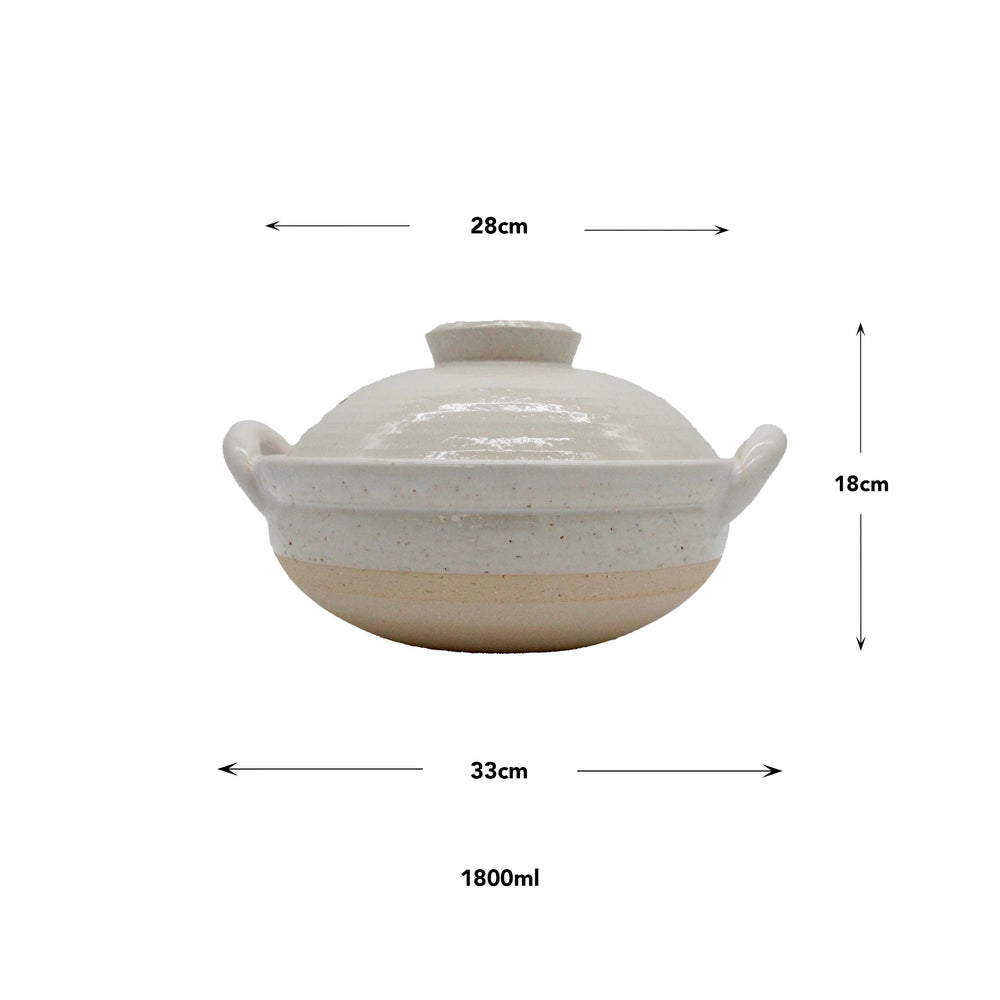
Credit: www.thewasabicompany.co.uk
How Often Should You Re-season?
There’s no perfect schedule, but here are some signs:
- Food starts to stick: Even with oil, pancakes or eggs cling to the surface.
- Pan looks dull: The shine is gone or there are gray spots.
- After heavy cleaning: Anytime you use baking soda, vinegar, or a dishwasher.
For most home cooks, once a month is enough if you use the pan often. If you only use it for eggs on weekends, every two or three months is fine.
If you notice a rainbow-colored film or stubborn residue, that’s a clue the old seasoning is breaking down and it’s time for a fresh layer.
Cleaning And Maintenance Between Seasonings
Proper cleaning keeps your ceramic pan in good shape and reduces how often you need to season it.
Daily Cleaning
- Let the pan cool after cooking.
- Wash with warm, soapy water and a soft sponge.
- Rinse and dry completely.
Avoid using citrus-based soaps, as their acidity can slowly wear away the ceramic layer.
Avoid These Cleaning Mistakes
- Never soak a hot pan in cold water—this can crack the ceramic.
- Do not use metal scrubbers or harsh cleaners.
- Avoid the dishwasher unless the brand says it’s safe (most are not).
Another point: Don’t leave your pan soaking for hours. Extended soaking can cause water to seep under the ceramic layer, leading to bubbling or peeling.
Dealing With Tough Stains
If you have burnt-on food, soak the pan in warm water for 20 minutes, then use a nylon scrubber or baking soda paste. Rinse and dry, then re-season.
For stubborn stains, mix baking soda with a few drops of water to make a paste. Gently rub it onto the stain, let sit for 10 minutes, and wipe clean. Avoid using vinegar—its acid can dull the ceramic over time.
/how-to-clean-ceramic-pan-4775268_01-a58a8cf28a0043df9b6d255232fa96a8.jpg)
Credit: www.thespruce.com
Comparing Ceramic Frying Pans To Other Nonstick Pans
Ceramic pans are popular, but how do they compare to other nonstick options like Teflon or cast iron?
| Pan Type | Nonstick Quality | Seasoning Needed? | Durability | Safe for High Heat? |
|---|---|---|---|---|
| Ceramic | Very Good | Recommended | Medium | No |
| Teflon (PTFE) | Excellent | No | Medium | No |
| Cast Iron | Good (if seasoned) | Essential | High | Yes |
| Stainless Steel | Low | No | High | Yes |
Non-obvious insight: Ceramic pans are a smart choice for anyone concerned about chemicals in traditional nonstick coatings (like PTFE). However, their main weakness is that the ceramic layer is a little more brittle than Teflon, so it needs more gentle care.
Another tip: If you often cook at high heat (for searing steaks, for example), cast iron or stainless steel is a better pick. Ceramic pans shine for eggs, pancakes, fish, and stir-fries at medium heat.
Extra Tips For Extending Your Ceramic Pan’s Life
Want to make your pan last even longer? These tips go beyond basic seasoning.
1. Always Use The Right Utensils
Wooden, silicone, or plastic utensils are best. Metal spatulas can scratch the ceramic coating, making seasoning less effective and shortening your pan’s life.
If you like using tongs, make sure they have silicone tips. Even a small scratch can become a place where food sticks and seasoning doesn’t hold.
2. Let The Pan Cool Before Washing
Sudden temperature changes—like pouring cold water on a hot pan—can cause thermal shock. This may crack the ceramic layer or warp the pan, ruining the nonstick effect.
If you’re in a hurry, set the pan on a cool burner or trivet and let it reach room temperature before washing.
3. Store Carefully
Don’t stack heavy pots or pans on top of your ceramic frying pan. If you must stack, place a soft cloth or paper towel between pans to prevent scratches.
Some cooks hang their pans or use a rack. This is ideal, as it prevents any contact that could chip the edge or the coating.
4. Avoid Aerosol Cooking Sprays
Sprays like PAM can leave a sticky residue that is hard to clean and can reduce nonstick performance. Always use regular oil for both seasoning and cooking.
Even “healthy” sprays can gum up the surface and make your pan feel less nonstick after a few uses.
5. Don’t Overheat
Ceramic pans are not made for high-heat searing. Use medium or low heat for best results. High heat can break down the nonstick layer and ruin your seasoning efforts.
If you need to brown food quickly, preheat the pan gently and add oil before adding ingredients, but never let the pan smoke.
6. Rotate Your Pans
If you own more than one pan, rotate their use. This gives each pan a chance to “rest,” and you’ll notice less wear over time.
How To Fix A Damaged Ceramic Pan
What if your pan is already scratched or food is sticking no matter what? While seasoning helps, deep scratches or chips mean the nonstick layer is permanently damaged. Here’s what you can try:
- Deep clean: Remove all residue with baking soda and water.
- Re-season: Follow the steps above with an extra-thin layer of oil.
- Test with eggs: Cook a scrambled egg. If it sticks badly, the damage is likely permanent.
- Replace if needed: A pan with bare metal or ceramic flakes is not safe for cooking.
Beginner tip: Never use a ceramic pan with the coating peeling off. Small pieces can mix with your food, which is not healthy.
If the pan only has light scratches, sometimes two rounds of seasoning can restore some nonstick ability. For deeper damage, though, it’s time for a replacement.
Frequently Asked Questions
How Long Does A Ceramic Frying Pan Last?
Most ceramic frying pans last 1-3 years with regular use if they are properly seasoned and cared for. Cheaper pans may wear out faster, while premium brands can last longer. The key is avoiding high heat, using the right utensils, and seasoning regularly.
Can I Season A Ceramic Pan With Olive Oil?
It’s not recommended. Olive oil has a low smoke point and can leave a sticky layer on the pan when heated for seasoning. Use oils like grapeseed, avocado, or canola for best results.
Is Seasoning A Ceramic Pan Safe For Health?
Yes, seasoning a ceramic pan with a thin layer of healthy oil is safe. It does not create harmful chemicals. In fact, it helps you use less oil during cooking, which can be better for your health.
Can I Put My Ceramic Frying Pan In The Dishwasher?
Unless the manufacturer says otherwise, avoid the dishwasher. Dishwasher detergents are harsh and can wear down the ceramic coating quickly. Hand washing with a soft sponge is best.
What Do I Do If My Ceramic Pan Starts Sticking After Seasoning?
If your pan still sticks after seasoning:
- Clean it with baking soda and water.
- Dry it completely.
- Re-season with a thinner oil layer.
- Avoid high heat and metal utensils.
If problems continue, the ceramic coating may be worn out, and it could be time for a new pan. For more on ceramic cookware care, check reputable sources like the Wikipedia entry on ceramic cookware.
Can I Use My Ceramic Pan In The Oven?
Some ceramic pans are oven-safe, but always check the manufacturer’s instructions. Handles, especially plastic or rubber ones, may not tolerate oven heat. If your pan is oven-safe, seasoning in the oven can give a more even result.
Why Does My Ceramic Pan Discolor Over Time?
Discoloration can come from burned oil, high heat, or acidic foods. While it doesn’t always affect nonstick performance, it can look unattractive. Regular seasoning and avoiding overheating can minimize stains.
Final Thoughts
Seasoning your ceramic frying pan is a simple way to enjoy easy, low-fat cooking and make your cookware last longer. By using the right oil, heating it properly, and cleaning your pan gently, you protect the nonstick surface and get better results every time.
Remember, seasoning isn’t just for old pans—it’s a smart habit for every ceramic pan owner. When you take the time for a quick monthly seasoning, you save money, reduce stress, and enjoy delicious meals with less mess. Happy cooking!