
Many people are surprised when they see the price of Griswold cast iron cookware. A single pan can cost hundreds, sometimes even thousands, of dollars. Why is this old-fashioned cookware so expensive? Is it just hype, or is there something truly special about Griswold cast iron?
To answer these questions, we need to look at the history, craftsmanship, rarity, and unique qualities of Griswold pieces. Only then can we understand why collectors and cooks are willing to pay so much for these vintage pans.
The Legacy Of Griswold: A Short History
Griswold Manufacturing was based in Erie, Pennsylvania. The company started in the late 1800s and produced cast iron cookware until the late 1950s. For nearly 100 years, Griswold was known for making some of the finest cast iron pans in the United States.
Their products were not just common kitchen tools. They were items that families used for generations and often passed down. The company’s attention to detail and quality helped build a reputation that still lasts today.
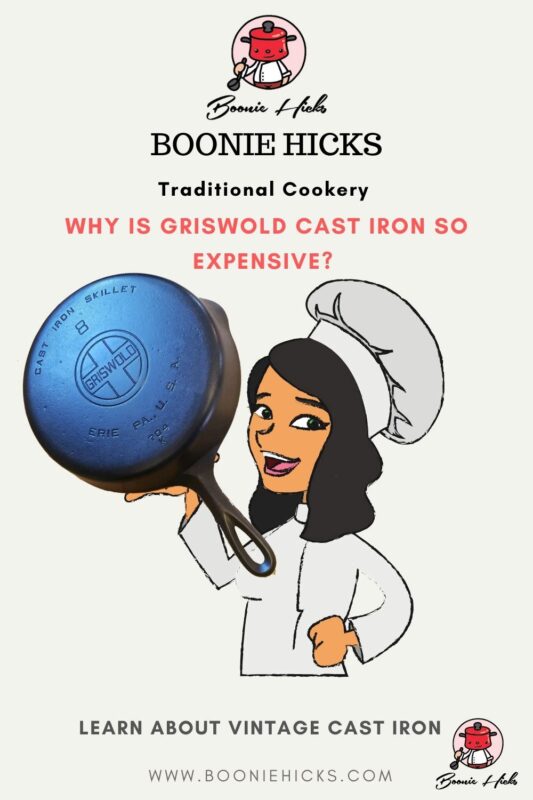
The Griswold logo, often called the “cross in a double circle,” is a sign of authenticity and quality. Many collectors search for this mark when evaluating old pans.
What Makes Griswold Cast Iron So Expensive?
To understand the high prices, it helps to break down the different factors that make Griswold cast iron so valuable today.
1. Superior Craftsmanship And Materials
Griswold pans were made using a sand-casting process. The company was known for its smooth cooking surface and thin yet durable walls. This created pans that were lighter and easier to handle than many modern pans.
The iron used by Griswold was also of high quality. The company selected iron with fewer impurities, which helped prevent cracking and warping over time. Many pans from over 100 years ago are still being used today—proof of their durability.
2. Rarity And Collectibility
Not all cast iron pans are collectible. Griswold pans are rare because the company stopped making cookware decades ago. Every year, fewer pans remain in good condition. Some styles and sizes are even harder to find, making them highly sought after by collectors.
Special editions, like the Griswold Erie Spider Skillet or the Griswold Slant Logo Dutch Oven, can fetch prices much higher than common pieces.
3. Iconic Design And Features
Griswold pans have a classic look. The large logo, smooth surface, and unique handle design are easy to spot. Many people consider them the “Cadillac” of cast iron cookware.
The attention to detail is obvious. The edges are smooth, the pour spouts are well-formed, and the bottom sits flat on most stovetops.
4. Cooking Performance
Many home cooks and chefs say that Griswold pans are better to cook with than most modern cast iron cookware. The thin walls heat up quickly and evenly. The smooth surface makes it easy to cook eggs, pancakes, or anything that needs a non-stick finish.
Some people even claim that food cooked in a Griswold pan tastes better. While this might be subjective, it shows the reputation these pans have earned over the years.
5. The Power Of Nostalgia
There is a strong emotional connection to old cookware. Many people remember their grandparents or parents cooking with a Griswold pan. This nostalgia drives demand, especially as people look for ways to reconnect with the past.
6. Investment Value
Unlike most kitchen tools, Griswold pans often increase in value over time. Some collectors see them as an investment, much like rare coins or art. The limited supply and growing demand have pushed prices higher year after year.
7. Restoration And Reuse
Old Griswold pans can be restored to look and function like new. Many buyers enjoy the process of cleaning and seasoning a rusty, old pan. Once restored, these pans can last for many more decades.
8. Community And Education
There are large online groups, forums, and clubs focused on Griswold cast iron. People share tips, restoration methods, and stories about their favorite pieces. This sense of community keeps interest (and prices) high.
Comparing Griswold To Other Cast Iron Brands
It helps to see how Griswold compares to other vintage and modern cast iron cookware. Below is a comparison of Griswold, Wagner, and a modern brand, Lodge.
| Brand | Production Years | Main Features | Average Price (Used) |
|---|---|---|---|
| Griswold | 1865–1957 | Smooth surface, thin walls, collectible logos | $100–$1,000+ |
| Wagner | 1891–1952 | Smooth surface, slightly heavier, collectible | $50–$400 |
| Lodge (Modern) | 1896–Present | Rougher surface, heavier, mass-produced | $20–$60 |
This table shows why collectors focus on Griswold. The price difference reflects not just age, but also quality and reputation.
Key Factors Driving The Price Of Griswold Cast Iron
Let’s look deeper at the main reasons why Griswold cast iron costs so much.
Age And Condition
Older pans, especially those in good condition, are always worth more. Griswold made cookware from the 1800s to the mid-1900s. Pans from the earliest years (called “Erie” pans) are especially valuable.
Condition matters a lot. Pans with no cracks, chips, or repairs are worth much more. The original seasoning (the black, shiny finish) can also add value if it is still present.
Logo And Markings
Griswold used several different logos over the years. The most famous is the large “cross in double circle. ” Pans with this logo are the most collectible. Some logos are more rare, like the slanted Griswold or the “ERIE” mark.
Collectors will pay a premium for clear, well-preserved logos.
Size And Type
Some sizes and types of pans are common, while others are very rare. For example, a #3 skillet is easy to find and not very expensive. But a #20 skillet or a special muffin pan can sell for thousands.
Dutch ovens, waffle irons, and specialty pans like the “chicken fryer” are often more valuable than simple skillets.
Provenance And History
If a pan has a known history—maybe it belonged to a famous chef or was used in a historic restaurant—it can be worth more. Provenance is hard to prove, but when it is clear, it adds to the price.
How To Identify Real Griswold Cast Iron
Many people worry about buying fakes or misidentified pans. Here are some tips to help you spot real Griswold cookware.
Look For The Logo
The easiest way to identify a Griswold pan is the logo on the bottom. The “cross in double circle” is the most famous. Earlier pans may say “ERIE” or have other marks.
Check The Weight And Feel
Griswold pans are usually lighter and smoother than modern pans. If a pan feels very rough or heavy, it might not be real.
Study The Pour Spouts And Handles
Griswold had a unique handle design and well-formed pour spouts. Compare these to known examples online to help confirm authenticity.
Read The Catalog Numbers
Most Griswold pans have a number on the bottom. This number can be checked against collector’s guides or online databases to confirm the pan’s age and type.
Griswold Cast Iron In Today’s Market
Prices for Griswold pans have increased sharply in recent years. Some rare pieces have set records at auction. Even common pans are now worth much more than they were 10 or 20 years ago.
Below is a look at recent online auction sales for Griswold pans:
| Pan Type | Logo Type | Condition | Sale Price |
|---|---|---|---|
| #8 Skillet | Large Block Logo | Restored, Excellent | $250 |
| #14 Skillet | Slant Logo | Good, Minor Rust | $1,100 |
| Waffle Iron | Cross in Double Circle | Restored, Complete | $700 |
| Chicken Fryer | ERIE Logo | Excellent, Original Finish | $900 |
These prices reflect current demand and the limited supply of high-quality Griswold pans.
Common Mistakes When Buying Griswold Cast Iron
Buying vintage cookware can be tricky. Here are some mistakes beginners often make:
- Not checking for cracks or repairs. Even a tiny crack can make a pan almost worthless.
- Confusing “Griswold-style” with real Griswold. Some pans look similar but are not authentic.
- Overpaying for common pans. Learn which pans are truly rare before spending a lot.
- Ignoring rust or heavy pitting. Some damage can be cleaned, but deep pitting often cannot.
- Assuming all old pans are valuable. Age alone does not make a pan expensive. Brand, condition, and rarity matter most.
How To Care For Griswold Cast Iron
If you own a Griswold pan, proper care is important to maintain value and performance.
Cleaning
- Never put cast iron in the dishwasher.
- Clean with hot water and a soft brush. Avoid soap if possible.
- For tough spots, use a little coarse salt as a scrub.
Seasoning
- After cleaning, dry the pan completely.
- Wipe with a thin layer of vegetable oil.
- Heat the pan in the oven at 400°F for one hour.
- Repeat a few times for a strong, non-stick surface.
Storage
- Store in a dry place to avoid rust.
- Place a paper towel inside to absorb moisture.
Handling Rust
If your pan develops rust, do not panic. Use steel wool or a rust eraser to remove it. Then re-season the pan. Most surface rust is not a major problem if caught early.
The Non-obvious Reasons Why Prices Stay High
Many people focus only on age, condition, or brand. But there are a few less obvious reasons why Griswold cast iron remains expensive.
The “heirloom Effect”
Griswold pans are often family heirlooms. People are less willing to sell them, which keeps the market supply low. When they do appear for sale, competition is fierce.
The Rise Of Social Media
Online groups on Facebook, Instagram, and forums have created a new wave of collectors. Pictures and stories about rare pans get shared widely, increasing demand and driving up prices.
How To Find Authentic Griswold Cast Iron
If you want to buy a Griswold pan, there are a few good sources:
- Antique shops (though prices are often high)
- Estate sales and auctions
- Flea markets
- Online marketplaces like eBay and Etsy
Always check photos and ask questions before buying. Compare prices using recent online sales to avoid overpaying.
Alternatives To Expensive Griswold Cast Iron
If the price of Griswold pans is out of reach, consider these alternatives:
- Wagner Ware: Another high-quality vintage brand, often less expensive.
- Favorite Piqua: Similar age and quality, with a dedicated fan base.
- Modern brands: Some new brands offer smoother finishes, but none match vintage pans exactly.
- Restoration projects: Buy a rusty, damaged pan and restore it yourself. It’s cheaper, though it takes time and effort.
The Griswold Collector Community
Being part of a community can add to the fun of collecting. Many collectors enjoy sharing their finds and trading pans. There are even conventions and meetups for cast iron fans.
Some well-known online resources include:
- Griswold and Cast Iron Cookware Association
- Reddit’s r/castiron community
- Facebook collector groups
These groups can help you learn, avoid fakes, and meet other collectors.

Credit: castandclarabell.com
Unique Stories And Famous Pieces
Some Griswold pans have become famous. For example, the Griswold #13 skillet is legendary among collectors because of its huge size and rarity. Only a few hundred were made, and they often sell for $2,000 or more.
There are also stories of people finding rare pans at garage sales for just a few dollars. These stories keep hope alive for new collectors.
The Impact Of Reproductions And Fakes
Because Griswold pans are valuable, some people try to make fakes. Most reproductions are easy to spot if you know what to look for:
- Poor logo quality: Fakes usually have blurry or uneven logos.
- Wrong weight or shape: Real Griswold pans have a specific feel and design.
- No catalog number: Most real pans have a number on the bottom.
If you are unsure, ask for help from an experienced collector or compare with photos from trusted sources.

Credit: www.ebay.com
Is Griswold Cast Iron Worth The Price?
For many people, the answer is yes. Owning a Griswold pan is not just about cooking—it is about owning a piece of history. The quality, design, and story behind each pan make them special.
However, if your main goal is just to cook, a good modern cast iron pan will work well for a much lower price. The extra money for Griswold is really for collectors, history lovers, and those who appreciate rare items.
Comparing Cooking Experience: Vintage Vs Modern Cast Iron
Some people wonder if there’s a real difference when cooking with Griswold compared to modern pans. Let’s break down the main differences:
| Feature | Griswold (Vintage) | Lodge (Modern) |
|---|---|---|
| Surface Smoothness | Very smooth | Rougher texture |
| Weight | Lighter | Heavier |
| Heat Distribution | Even and fast | Good but slower |
| Non-Stick Ability | Excellent (when seasoned) | Good (needs more seasoning) |
| Collectible Value | High | Low |
These differences matter most to collectors and serious cooks. For daily use, both types of pans can do the job.
Credit: www.booniehicks.com
Non-obvious Insights For Beginners
Most beginners think buying a Griswold pan is just about finding an old pan. But there are two important things they often miss:
- Restoration is an art: Bringing a neglected pan back to life can be as rewarding as using it. Learning how to restore and season a pan can save you money and add to your enjoyment.
- Not all “old” cast iron is valuable: There are many brands and unmarked pans from the same time period. Learn to identify what makes a pan truly special before you buy.
Where To Learn More
For those interested in collecting or just learning more, there are many books, websites, and clubs. The Griswold and Cast Iron Cookware Association is a good starting point. You can also find more historical details at Wikipedia.
Frequently Asked Questions
Why Is Griswold Cast Iron Better Than Modern Cast Iron?
Griswold pans are smoother, lighter, and often better balanced than modern pans. Their thin, even walls help with heat distribution. The high-quality iron and careful casting process make them special. Many cooks prefer them for their performance and feel.
How Can I Tell If My Pan Is Real Griswold?
Look for the cross in double circle logo on the bottom. Check the weight and smoothness—real Griswold pans feel lighter and smoother than most modern pans. Compare any numbers or marks to online guides or collector books.
Are All Griswold Pans Valuable?
No. Common sizes and types are less valuable, especially if they are damaged. Rarer pans, special logos, and excellent condition are what make a Griswold pan expensive. Not every old pan is worth a lot.
Can I Use A Griswold Pan Every Day?
Yes! Many people use their Griswold pans for daily cooking. Just remember to care for them properly—avoid dishwashers, keep them dry, and season them regularly. With good care, they can last for generations.
Where Is The Best Place To Buy Griswold Cast Iron?
Try estate sales, antique shops, online auctions (like eBay), and collector groups. Always check the seller’s reputation and ask for clear photos. Joining a collector community can help you find good deals and avoid fakes.
The Enduring Value Of Griswold Cast Iron
Griswold cast iron is expensive for many reasons—superior craftsmanship, rarity, and the stories behind each piece. Whether you are a collector, a cook, or simply appreciate history, owning a Griswold pan connects you to a tradition of American quality and care.
As fewer of these pans survive, their value and appeal will likely continue to grow. For many, a Griswold skillet is not just a tool—it is a treasure worth every penny.