
When you walk into a kitchen supply store or browse online, you quickly see that not all cookware is made the same. Two materials stand out for serious home cooks and professionals: carbon steel and anodized aluminum. Each brings unique benefits—and some downsides—that affect cooking performance, maintenance, durability, and even taste. If you’re choosing between these two, it’s not just about price or looks. What you pick will change how you cook, clean, and even the flavor of your meals. This in-depth guide explores every angle, revealing key facts and lesser-known insights so you can confidently choose the right cookware for your kitchen and lifestyle.
What Is Carbon Steel?
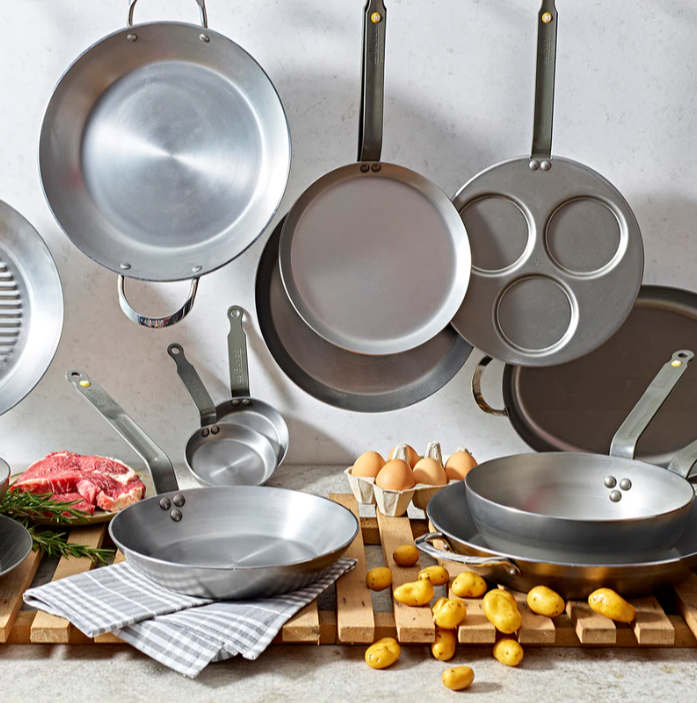
Carbon steel is an alloy mainly composed of iron and a small percentage of carbon (usually 0.5%-1.0%). The higher carbon content makes it harder and stronger than regular steel, but also more prone to rust if not cared for. For decades, carbon steel has been a favorite in commercial kitchens, especially for skillets, woks, and roasting pans.
One reason chefs love carbon steel is its excellent heat conductivity. It heats up fast and responds quickly when you adjust the flame. This means more precise temperature control—a big advantage for searing steaks, stir-frying, or making crepes.
Another unique trait: carbon steel develops a natural nonstick surface with time and use. This patina (built up by seasoning the pan with oil) gives food great flavor, similar to a well-seasoned cast iron pan.
However, carbon steel is not for everyone. It requires regular seasoning to keep its nonstick qualities and protect against rust. If you leave it wet or cook acidic foods (like tomatoes) frequently, it can lose its seasoning and rust more easily.
What Is Anodized Aluminum?
Anodized aluminum starts as regular aluminum, then goes through an electrochemical process called anodization. This thickens the natural oxide layer on the surface, making the pan harder, non-reactive, and more durable. The result is cookware that resists corrosion and scratches, unlike bare aluminum, which is soft and reacts with acidic foods.
People love anodized aluminum for its lightweight design and even heat distribution. It’s much easier to lift and maneuver, especially for larger pots and pans. Most anodized aluminum cookware has a dark, matte finish that looks modern and stylish in any kitchen.
Unlike carbon steel, anodized aluminum doesn’t need seasoning. It’s naturally non-reactive, so you can cook tomato sauces, lemon chicken, or anything acidic without worry. This makes it a popular choice for busy home cooks who want easy maintenance.
Core Differences Between Carbon Steel And Anodized Aluminum
To make a smart decision, you need to know how these two materials truly compare. Here’s an overview of the main differences:
| Feature | Carbon Steel | Anodized Aluminum |
|---|---|---|
| Weight | Medium to heavy | Light |
| Heat Conductivity | Excellent | Very good |
| Heat Retention | High | Moderate |
| Reactivity | Reactive (without seasoning) | Non-reactive |
| Maintenance | Requires seasoning & drying | Low maintenance |
| Rust Resistance | Prone to rust | Highly resistant |
| Nonstick Properties | Builds up naturally | Surface is nonstick-like |
| Oven Safety | Usually oven safe | Oven safe (depends on handles) |
| Dishwasher Safe | No | Sometimes (check manufacturer) |
Cooking Performance: Heat, Searing, And Control
Heat Distribution
Carbon steel heats up quickly and distributes heat very evenly across the pan. This is why it’s chosen for cooking tasks that need high heat and fast response, like stir-frying or searing meat. However, because it retains heat so well, it’s easy to overcook delicate foods if you’re not careful.
Anodized aluminum also has excellent heat distribution. The anodization process helps prevent hot spots, so food cooks evenly. However, aluminum cools down faster than carbon steel, so it’s not as good at holding heat for long periods—something to consider for simmering or browning.
Searing And Browning
If you love a deep, golden crust on steak or crispy potatoes, carbon steel shines. The high heat retention and natural seasoning help brown food beautifully. In fact, many high-end steakhouses use carbon steel pans for this reason.
Anodized aluminum does a good job with searing, but it won’t reach the same temperatures as carbon steel before warping or damaging the nonstick coating (if present). For most home cooks, the difference is small, but for advanced techniques, it’s noticeable.
Cooking Delicate Foods
When cooking eggs, fish, or pancakes, both materials perform well—if properly maintained. Seasoned carbon steel becomes very nonstick over time, while anodized aluminum is usually nonstick right out of the box. One detail beginners often miss: carbon steel’s nonstick quality improves the more you use and season it. In contrast, nonstick coatings on anodized aluminum can wear out after years of use.
Durability And Longevity
Carbon Steel Durability
Carbon steel is famous for lasting decades if cared for. Many chefs pass down their pans to the next generation. It can handle metal utensils, high heat, and regular use. The only real enemy is rust, which happens if you leave it wet or fail to keep up the seasoning.
With each use, the pan gets stronger and more nonstick—something you can’t say for most modern cookware. Even if you abuse it, you can often restore a rusty carbon steel pan with a little elbow grease and reseasoning.
Anodized Aluminum Durability
Anodized aluminum is much tougher than regular aluminum thanks to the hard oxide layer. It resists scratches, dents, and corrosion. However, it’s not indestructible. If you use metal utensils or cook on very high heat, you can wear down the surface or cause warping.
One hidden drawback: if the anodized layer is scratched, the soft aluminum underneath is exposed and can start to react with food or corrode. Also, most anodized pans eventually lose their finish with heavy use, especially if they go in the dishwasher often.
Maintenance And Care
Cleaning Carbon Steel
Caring for carbon steel is a bit like caring for cast iron. After cooking, you should wash it by hand (never in the dishwasher), dry it immediately, and apply a thin layer of oil to prevent rust. Every few months, you might need to reseason it by heating it with oil until it smokes.
A common mistake beginners make: using soap or soaking a carbon steel pan. This removes the seasoning and makes rust more likely. If food sticks, use coarse salt and a towel to scrub it clean.
Cleaning Anodized Aluminum
Anodized aluminum is much easier to clean. Most pans can be washed with gentle soap and water. Some brands claim dishwasher safety, but repeated dishwashing can dull the finish and shorten the pan’s life. Avoid using steel wool or abrasive pads, as they can scratch the surface.
One practical tip: check your manufacturer’s instructions. Not all anodized aluminum pans have the same finish. Some are coated with a nonstick layer on top of the anodized surface, which needs extra care.
Health And Safety
Food Reactivity
Carbon steel is reactive when unseasoned, meaning acidic foods (like tomatoes, vinegar, or citrus) can strip away the patina and cause off flavors or even discolor the food. Once well-seasoned, this problem mostly disappears, but it’s still not the best choice for cooking acidic dishes.
Anodized aluminum is naturally non-reactive. The anodization process seals the aluminum, so you can safely cook any type of food. Even if the pan gets scratched, the oxide layer is chemically stable and doesn’t leach into your food.
Nonstick Coatings And Safety
Many anodized aluminum pans are coated with a nonstick surface (like PTFE or ceramic) for extra easy release. While these coatings are generally safe at normal cooking temperatures, overheating (above 500°F/260°C) can release fumes or damage the coating.
Carbon steel builds up a natural nonstick surface with oil—no chemicals involved. This appeals to people avoiding synthetic coatings.
Weight, Handling, And Ergonomics
One of the biggest differences you’ll feel every day is how these pans handle in your hand.
Carbon steel pans are noticeably heavier, especially in larger sizes. A 12-inch carbon steel skillet can weigh up to 4 pounds. This extra weight helps with heat retention and stability, but some people find it tiring to lift, especially when full of food.
Anodized aluminum cookware is much lighter. A similar 12-inch pan might weigh half as much. This makes it great for people with weak wrists, arthritis, or anyone who needs to move pans quickly (like when tossing vegetables).
Versatility In The Kitchen
Stovetop Compatibility
Carbon steel works on any heat source, including induction, gas, electric, and even campfires. Its magnetic base makes it ideal for induction cooktops.
Anodized aluminum is not naturally magnetic. Unless the manufacturer adds a steel plate to the bottom, it won’t work on induction stoves. Always check before buying if you have an induction cooktop.
Oven And Broiler Use
Most carbon steel pans are oven safe to very high temperatures, sometimes over 600°F. This makes them perfect for starting dishes on the stove and finishing them in the oven.
Anodized aluminum pans are usually oven safe, but the limit depends on the handle material. Plastic or silicone handles can melt above 350–400°F. Always check the product’s specifications before using in a hot oven or under the broiler.
Non-obvious Insight: Warping
A detail many beginners overlook: anodized aluminum can warp if moved quickly from a hot burner to a cold sink. Carbon steel, being denser and more flexible, is less likely to warp under thermal shock. This is important if you do a lot of deglazing or need to wash pans immediately after cooking.
Cost And Value Over Time
Carbon steel pans are generally affordable, with prices ranging from $30 to $100 for a high-quality skillet. Since they last for decades, the cost per year is very low. The main investment is your time in seasoning and maintaining the pan.
Anodized aluminum pans vary more in price. Basic models start around $30, but high-end brands with extra features or coatings can cost over $200. While they’re durable, the finish and nonstick layer usually wear out after 3–5 years of daily use. Most people replace them sooner than carbon steel.
A non-obvious cost detail: carbon steel pans can look “old” or stained after years of use, but this doesn’t affect performance. Anodized aluminum pans, once scratched or faded, often lose their appeal and end up replaced.
Credit: www.debuyer-usa.com
Environmental Impact
Production And Recycling
Carbon steel is highly recyclable and has a lower environmental footprint compared to many modern nonstick pans. There are no chemical coatings, and old pans can be melted down and reused. Some brands use recycled steel to make new pans.
Anodized aluminum is also recyclable, but the anodization process uses chemicals and electricity. If the pan has a nonstick coating, recycling becomes more complicated. Most municipalities will not accept nonstick-coated pans in regular recycling.
Longevity And Waste
Because carbon steel can last for generations, it produces less waste over time. Anodized aluminum, with its shorter lifespan, may contribute to more landfill waste if not recycled properly.
Aesthetics And Design
While looks aren’t everything, many cooks care about how their cookware appears.
Carbon steel starts out shiny and gray, but develops a dark, almost blue-black patina over time. Each pan becomes unique with age and use—a badge of honor for some, an eyesore for others.
Anodized aluminum has a sleek, modern look, often in matte black or gray. It stays looking new longer but can show scratches or stains more easily. If you prefer a matching, contemporary kitchen, anodized aluminum fits right in.

Credit: www.reddit.com
Typical Uses And Best Applications
When To Choose Carbon Steel
- High-heat searing (steak, burgers)
- Stir-frying
- Roasting vegetables in the oven
- Crepes, pancakes, and flatbreads
- Baking artisan bread (in a seasoned pan)
Carbon steel excels in tasks where heat control and a natural nonstick surface matter. It’s ideal for cooks willing to spend a little extra time on maintenance for superior performance.
When To Choose Anodized Aluminum
- Everyday frying and sautéing
- Cooking acidic foods (tomato sauces, citrus dishes)
- Quick cleanup needs
- Lightweight pans for easy handling
- Simmering sauces, soups, or eggs
Anodized aluminum is perfect for busy families, people who want low-maintenance cookware, or anyone who prioritizes convenience and non-reactivity.
Pros And Cons Overview
Here’s a side-by-side look for quick reference:
| Carbon Steel | Anodized Aluminum | |
|---|---|---|
| Pros | – Excellent heat retention – Natural nonstick with seasoning – Extremely durable – Induction compatible – Develops unique patina | – Lightweight and easy to handle – Non-reactive surface – Low maintenance – Even heat distribution – Modern appearance |
| Cons | – Needs regular seasoning – Prone to rust if left wet – Heavier than aluminum – Not dishwasher safe – Reactive to acids (when unseasoned) | – Nonstick can wear out – Not always induction compatible – Can warp with thermal shock – Scratches expose base metal – Shorter lifespan than carbon steel |

Credit: www.reddit.com
Real-world Examples And Brands
Carbon Steel
Leading brands like de Buyer, Matfer Bourgeat, and Lodge make some of the most respected carbon steel pans. Professional kitchens often use 10- to 12-inch skillets for everything from eggs to searing steaks. Street food vendors in Asia rely on large carbon steel woks for high-heat stir fries.
Anodized Aluminum
Popular brands include Calphalon, All-Clad, and Circulon. Home cooks love these pans for their light weight and easy cleanup. Many nonstick frying pans, saucepans, and sauté pans are made from anodized aluminum, ideal for quick family meals and low-fat cooking.
Common Myths And Mistakes
- Myth: Anodized aluminum is unsafe.
- Fact: The anodized layer prevents aluminum from leaching into food. It’s widely considered safe for everyday cooking.
- Myth: You can’t cook eggs in carbon steel.
- Fact: With proper seasoning, carbon steel is excellent for eggs and other delicate foods.
- Mistake: Washing carbon steel in the dishwasher.
- Reality: This strips seasoning and can cause rust within hours.
- Mistake: Using metal utensils on nonstick anodized pans.
- Reality: This scratches the coating and reduces nonstick performance.
- Myth: All anodized aluminum works on induction.
- Fact: Only pans with a magnetic base are induction compatible.
How To Choose: Decision Factors
When choosing between carbon steel and anodized aluminum, consider:
- Cooking style: Do you love high-heat searing and don’t mind caring for your pans? Go carbon steel. Want fast, easy cooking and cleanup? Choose anodized aluminum.
- Maintenance: Will you season and dry your pans after every use, or do you want something you can toss in the sink?
- Weight: Do you need something light for easy handling, or are you comfortable with heavier pans?
- Cooktop: Do you use induction? Not all anodized pans will work.
- Budget: Both are affordable, but carbon steel offers the best long-term value if cared for.
Practical Tips For Each Material
Getting The Most From Carbon Steel
- Season your pan before first use and after heavy cleaning.
- Avoid cooking highly acidic foods in a new or lightly seasoned pan.
- Store in a dry place, and oil lightly after each wash.
- If rust appears, scrub with steel wool, wash, dry, and reseason.
Getting The Most From Anodized Aluminum
- Use only wooden, silicone, or nylon utensils if the pan has a nonstick coating.
- Avoid sudden temperature changes to prevent warping.
- Hand wash with gentle soap and a soft sponge.
- Check for induction compatibility before buying.
Expert And Consumer Opinions
Top chefs praise carbon steel for its responsiveness and flavor. Many home cooks report a learning curve but say the payoff is worth it. On forums and review sites, users often describe carbon steel as a “lifetime investment” and love its evolving nonstick surface.
Anodized aluminum earns high marks for convenience and light weight. Families and casual cooks appreciate the quick clean-up and consistent results. Some users note that after several years, the pans may lose their nonstick properties and need replacing.
For a broader perspective on cookware materials, the Wikipedia Cookware Guide offers in-depth scientific explanations.
Frequently Asked Questions
What Is The Main Advantage Of Carbon Steel Over Anodized Aluminum?
The biggest advantage of carbon steel is its ability to reach and maintain very high temperatures for searing and browning. It also becomes more nonstick with use and can last for decades if cared for.
Is Anodized Aluminum Safe For Daily Cooking?
Yes, anodized aluminum is safe. The anodized layer seals the metal, preventing any reaction with food or leaching of aluminum. Most health experts agree it’s a good choice for home kitchens.
Can I Use Metal Utensils With Either Material?
You can use metal utensils on carbon steel without worry. For anodized aluminum, only use metal utensils if the pan is not coated with a nonstick layer; otherwise, stick to wood, silicone, or nylon.
Which Is Better For Induction Cooktops?
Carbon steel is naturally induction compatible. Anodized aluminum only works on induction if the manufacturer adds a magnetic base. Always check the packaging or product description.
How Do I Restore A Rusty Carbon Steel Pan?
Scrub off the rust with steel wool, wash and dry the pan, then reseason it with oil over high heat. Even heavily rusted pans can usually be restored with this method.
Final Thoughts
Choosing between carbon steel and anodized aluminum isn’t just a technical decision—it’s about matching your cookware to your cooking habits. If you value high-heat performance, don’t mind a little extra care, and want a pan that improves with age, carbon steel is the way to go. If you need lightweight, easy-to-clean cookware for everyday meals, anodized aluminum is a smart, modern choice. Both have their place in a well-equipped kitchen—and understanding their strengths and quirks means you’ll cook better, waste less, and maybe even enjoy the process more.