
Washing your child’s car seat isn’t just about keeping it looking nice. It’s also about safety, comfort, and making sure it lasts. The Nuna Rava is a popular convertible car seat known for its thoughtful design, soft fabrics, and safety features. But when sticky hands, snack crumbs, and the occasional accident happen, parents often wonder: “How do I wash my Nuna Rava properly?” If you want your car seat to stay in great condition—and your child to stay safe—proper cleaning is essential. This guide will walk you through every step, from preparation to drying, and share real-world tips that most manuals don’t cover. You’ll also learn how to handle stubborn messes, avoid common mistakes, and get the most life out of your investment.
Understanding The Nuna Rava’s Design
Before you start, it helps to know what makes the Nuna Rava different. This seat is made with energy-absorbing foam, flame-retardant-free fabrics, and a unique belt path. The seat cover, harness pads, and infant inserts are all removable, but some parts require special care. Not all pieces are machine-washable, and incorrect cleaning can damage the seat or affect its safety.
The seat’s structure also means dirt can hide in crevices, and liquids can soak into the padding. Knowing where the mess goes will help you clean more effectively. For example, liquids spilled near the cup holder can drip under the seat, and crumbs can get trapped under the infant insert, so always check these spots.
The Nuna Rava’s headrest and side wings are also covered with soft padding, which collects sweat and oils from your child’s skin. Recognizing these “hidden” dirt zones can help you target your cleaning efforts and keep the seat fresh longer.
Why Proper Washing Matters
Many parents don’t realize that improper cleaning can harm a car seat. Using the wrong methods or harsh chemicals can:
- Weaken the seat’s protective foam
- Cause the cover to shrink or fade
- Affect the fire-resistant properties
- Damage buckles or moving parts
Even small mistakes—like soaking the harness in water—can make the seat unsafe. That’s why following the right steps is so important.
A clean car seat is also more comfortable for your child. Sticky residue or rough, dried stains can irritate sensitive skin, especially during long rides. Proper washing removes allergens, dust, and bacteria that build up over time, reducing the risk of skin reactions or respiratory problems.
Plus, a well-maintained seat is easier to use—buckles won’t stick, and straps move smoothly, so you can secure your child quickly and confidently every time.
Getting Ready: What You Need
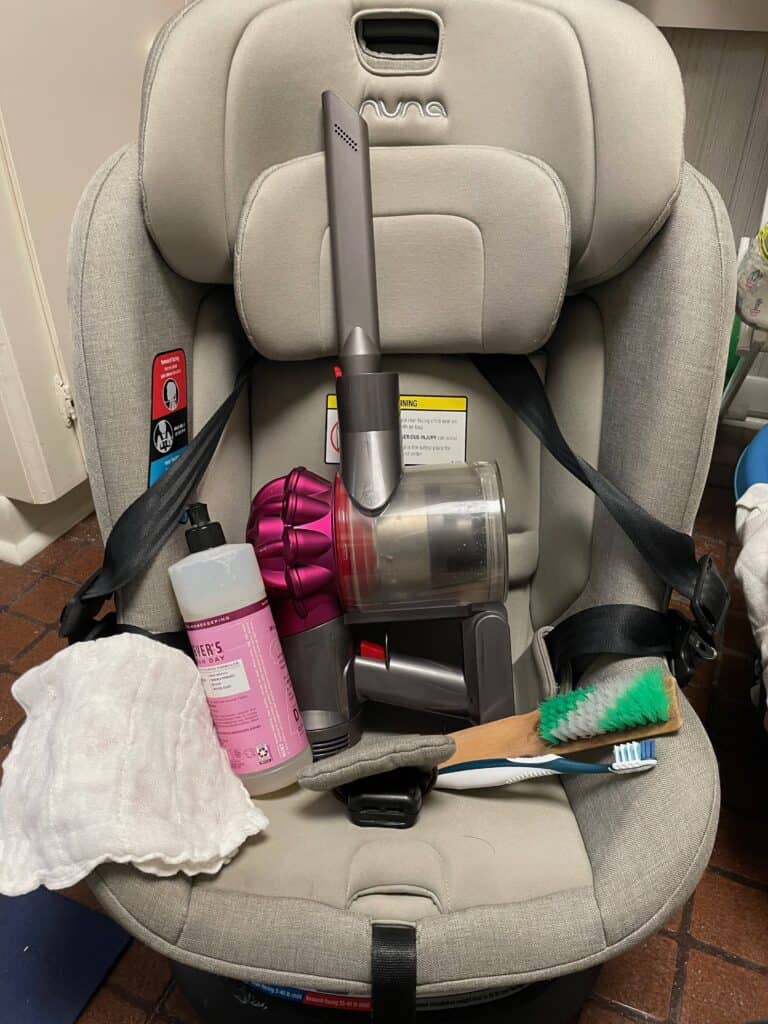
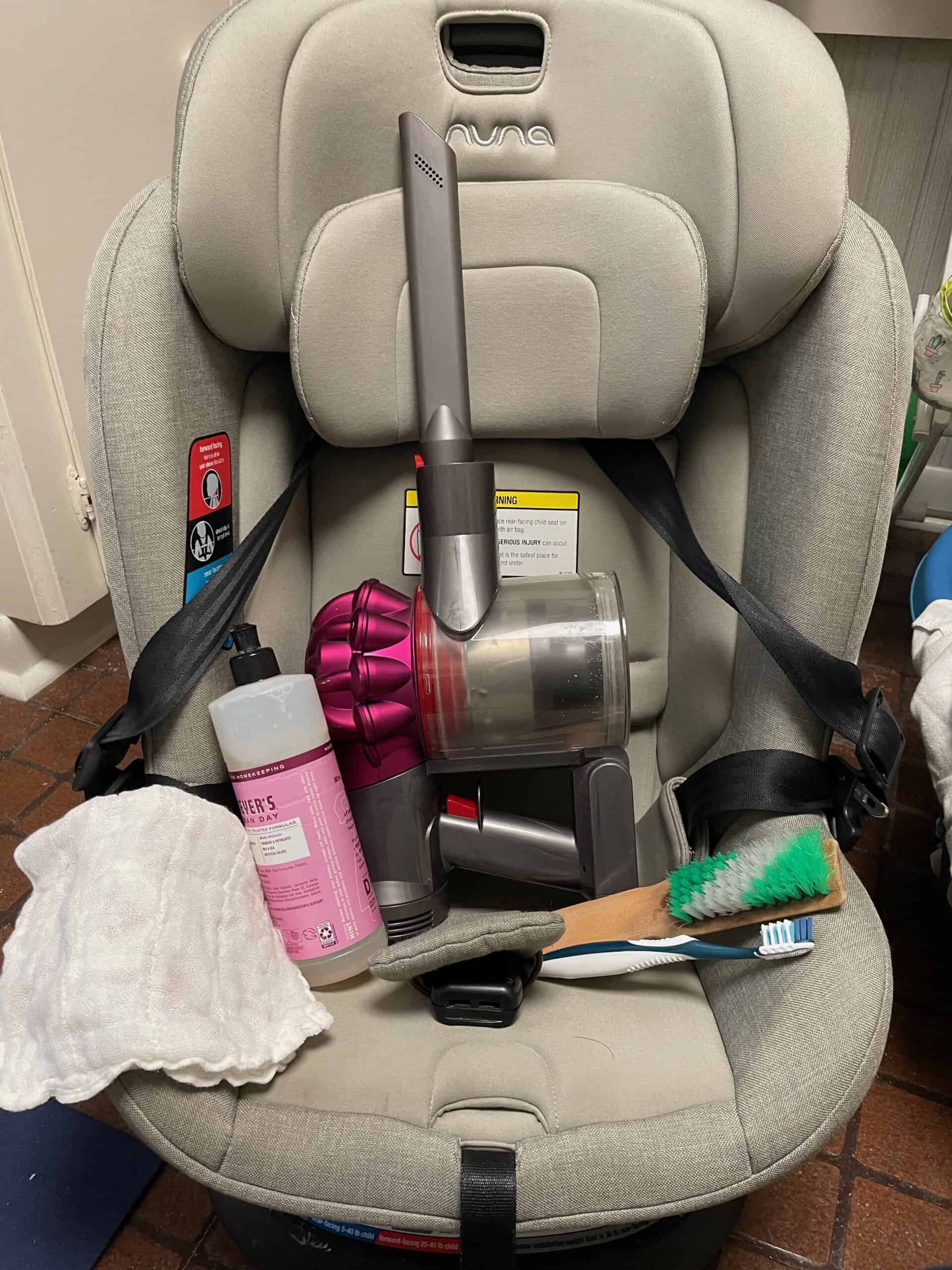
Gather everything before you start. You’ll need:
- Vacuum cleaner with crevice tool
- Mild soap (fragrance-free baby detergent or castile soap)
- Soft sponge or microfiber cloth
- Soft brush (old toothbrush works)
- Large towel
- Warm water (not hot)
- Spray bottle (optional)
- Bucket or basin
- Drying rack or clean, flat surface
Never use bleach, vinegar, fabric softener, or anything abrasive. They can damage the fabric or safety features.
If possible, set up your cleaning station near a sink and have all your tools within reach. This makes the process smoother and helps prevent water or soap from dripping on your floors or car interior. For parents living in apartments or without outdoor space, lay down a tarp or plastic sheet to protect the area.
Removing The Nuna Rava Cover And Accessories
Step-by-step Removal
- Loosen the harness straps completely. This gives you more room to work and prevents the straps from getting tangled.
- Remove the infant insert if it’s still in the seat. Most infants outgrow this quickly, but it’s often the first part that needs washing. Check for hidden crumbs under the insert.
- Unhook the seat cover. The Nuna Rava cover is attached with elastic loops and hooks around the edges. Start at the bottom and gently pull the cover away from the seat shell. Work your way up to the headrest, being careful not to stretch or snap the elastic.
- Take off the harness covers and buckle pad. These usually slide off the straps. Keep them together so you don’t lose any small pieces.
- Check for hidden crumbs or debris as you remove each part. Look under the seat pad, near the belt path, and inside the cup holders.
Some parents find the first removal tricky. Take photos as you go—this will help when putting it back together. If you pull too hard on the cover, you risk stretching the elastic. It may help to have a small flat tool (like a butter knife) to gently ease the loops off the plastic hooks, but be careful not to tear the fabric.
Comparison: Removable Parts Vs. Fixed Parts
To clarify which pieces can be washed and which should stay on, see the table below.
| Part | Removable? | Machine Washable? |
|---|---|---|
| Seat Cover | Yes | Yes (gentle cycle) |
| Harness Covers | Yes | Yes |
| Buckle Pad | Yes | Yes |
| Infant Insert | Yes | Yes |
| Harness Straps | No | No |
| Seat Shell | No | No |
If you’re unsure about a part, double-check your manual. Some Nuna Rava models may have slight differences in how the covers attach or which pads are included.
Cleaning The Seat Cover And Pads
Machine Washing
Most Nuna Rava covers, harness pads, and inserts are machine washable on a gentle cycle. Here’s how:
- Place the fabric pieces in the machine. Wash separately from other laundry. Avoid overloading, as this can stop the cover from getting clean and cause unnecessary friction.
- Use cold water and a gentle, fragrance-free detergent. Hot water or regular detergent can fade colors or cause shrinking.
- Select the delicate cycle. Avoid extra spin cycles or heat. High speed can stretch elastic and damage the padding.
- When finished, gently shake out excess water. Don’t wring or twist the fabric, as this can deform the shape.
Pro tip: If your washing machine has a hand-wash or wool cycle, this is even gentler and can help the cover last longer. Placing the cover inside a laundry bag or pillowcase can prevent zippers or hooks from catching on the fabric.
Hand Washing
For stains or delicate care, hand washing is best.
- Fill a basin with warm water and a small amount of mild soap.
- Soak the fabric for a few minutes to loosen dirt and stains.
- Gently rub stains with a soft cloth or sponge. Use a toothbrush for seams, corners, or stubborn spots.
- Rinse well with clean water. Make sure no soap remains, as residue can irritate your child’s skin.
Hand washing gives you more control and is less likely to damage elastic or padding. It’s also easier to target specific stains, like juice spills or sticky candy, without soaking the whole cover.
Drying The Cover
Never use a dryer. High heat can shrink or warp the fabric, making it hard to fit back on the seat.
- Lay the cover and pads flat on a large towel or drying rack. Avoid hanging from corners, as this can stretch the shape.
- Reshape the cover as it dries, especially around elastic edges. Check every few hours and smooth out wrinkles to help the cover fit perfectly later.
- Air dry in a well-ventilated area away from direct sunlight. Sunlight can fade colors or weaken fibers.
Depending on humidity, drying may take up to 24 hours. Plan ahead so you’re not left without your car seat when you need it. In humid climates, using a fan nearby can help speed up drying without damaging the material.
Spot Cleaning For Quick Fixes
Sometimes you don’t need a full wash. For small spills, spot cleaning is faster and less disruptive.
- Blot up any liquid with a clean towel—don’t rub. Rubbing can push stains deeper into the fabric.
- Mix a few drops of mild soap with warm water.
- Dampen a cloth with the soapy water and gently blot the stain. Work from the outside in to prevent the stain from spreading.
- Rinse with a cloth dampened with clean water. Make sure you remove all soap to avoid residue.
- Let air dry. Use a fan to speed up the process if needed.
Spot cleaning is handy for everyday messes—like milk drips or cookie crumbs—especially if you don’t want to remove the entire cover. It’s also useful while traveling or between deeper cleanings.

Credit: www.youtube.com
Cleaning The Harness Straps And Buckle
These parts must be cleaned by hand only. Never machine wash, soak, or submerge the harness straps or buckle, as this can affect their strength and function.
Harness Straps
- Mix warm water and a little mild soap.
- Dip a soft cloth or sponge in the soapy water. Wring it out so it’s damp, not soaking.
- Wipe the harness straps gently. Avoid scrubbing hard or soaking the straps. Focus on areas that touch your child’s skin the most, like the shoulder and lap sections.
- Wipe again with a cloth dampened with clean water to remove soap.
- Air dry completely before use. Make sure straps are not twisted when drying.
If your child has a sticky spill (like syrup or juice) on the straps, repeat the process and allow extra drying time. Never use a hair dryer or place straps near a heater, as this can weaken the webbing.
Buckle
- Remove the buckle from the seat (check your manual for the correct way).
- Rinse under running warm water to remove crumbs or sticky residue. Hold the buckle upside down so debris falls out.
- Press the buckle button several times under water to clear debris from the inner mechanism.
- Shake off water and let air dry—do not use heat.
A sticky buckle can prevent the harness from working properly. Clean it regularly, especially if your child drops food or drinks near it.
What Not To Do
- Don’t use bleach, solvents, or harsh cleaners on any part.
- Don’t lubricate the buckle or moving parts.
- Don’t machine wash harness or buckle.
Damage to these parts means the seat may not protect your child in a crash. If you notice fraying, stiffness, or other changes after cleaning, contact Nuna for advice.
Cleaning The Seat Shell And Plastic Parts
The seat shell and plastic pieces collect dust, crumbs, and sticky residue too.
- Use a vacuum cleaner with a crevice tool to remove loose debris from creases and corners. Pay attention to the cup holders, belt paths, and under the seat pad.
- Wipe the shell with a damp cloth and mild soap. Avoid using too much water—just enough to clean. Focus on sticky spots or fingerprints.
- For stubborn grime, use a soft brush (like a toothbrush) to loosen dirt from textured surfaces.
- Dry with a towel.
Never soak or submerge the seat shell. The seat’s safety features can be affected by water. If the shell is especially dirty (for example, after a car sickness accident), wipe it multiple times and let it air out thoroughly before reassembly.
Credit: amybabys.com
Reassembling The Nuna Rava
Once all parts are clean and fully dry, it’s time to put everything back together.
- Start with the seat cover. Fit it over the shell, working from the top down. Gently pull the cover over the headrest and sides, then secure the elastic loops and hooks around the base.
- Attach elastic loops and hooks in the correct order. If you took photos during removal, now’s the time to use them. Take your time to align the cover evenly.
- Slide the harness covers and buckle pad back onto the straps. Make sure the pads are facing the right way and lie flat.
- Place the infant insert if needed. Position it correctly, especially the head and body support.
Test all functions—move the harness up and down, tighten and loosen the straps, buckle and unbuckle. Make sure nothing is twisted or pinched. Check that all covers and pads are flat and smooth, with no bunching or loose edges.
Common Reassembly Mistakes
- Not pulling the cover tight enough around the edges—this can cause wrinkles or bunching and make the seat uncomfortable.
- Forgetting to reattach the buckle pad or harness covers, which can cause discomfort or make buckling tricky.
- Accidentally twisting the harness straps, which can affect safety.
If something doesn’t fit or work smoothly, double-check the manual or your photos. Never force parts—they should fit snugly but easily. If you’re unsure, ask another adult to double-check your work.
Dealing With Odors And Stubborn Stains
Sometimes, smells or stains just won’t come out with regular washing. Here’s what you can do:
For Odors
- Sprinkle a little baking soda on the dry cover before washing. Let it sit for 30 minutes, then shake off and wash as usual. Baking soda absorbs odors without damaging the fabric.
- Air the seat cover outside (in the shade) for a few hours. Fresh air can help remove lingering smells, especially after a spill.
For Stains
- Make a paste of baking soda and water for tough spots. Gently rub on the stain, let sit for 10–15 minutes, and rinse. This is especially good for juice or formula stains.
- Use a gentle baby stain remover, but always test on a small area first. Some products can lighten fabric, so be cautious.
Never use harsh chemicals, as they can damage the seat or irritate your child’s skin. If a stain won’t come out, focus on regular cleaning instead of aggressive scrubbing.
How Often Should You Wash Your Nuna Rava?
There’s no single rule, but these guidelines help:
- Spot clean spills right away. The sooner you clean, the less likely stains or odors will set.
- Wash the cover and pads every 2–3 months for regular use. High-traffic seats (like daily commutes) may need more frequent cleaning.
- Clean after any major spill (milk, juice, vomit). Lingering liquids can lead to mold or smells.
- Deep clean before storing or passing the seat to another child.
Washing too often can wear out the fabric, but regular cleaning keeps the seat fresh and safe. If you live in a hot, humid area, you might need to air out the seat more frequently to prevent odors.
Safety Checks After Cleaning
After every wash, inspect the seat for:
- Loose threads or tears in the fabric
- Fraying harness straps
- Cracks or damage to the shell
- Sticky buckles or stiff harness movement
If you find any problems, contact Nuna or a certified car seat technician before using the seat again. Small issues can get worse over time, so it’s best to address them early. Regular inspections also help you spot wear-and-tear before it affects your child’s safety.
Nuna Rava Cleaning: Dos And Don’ts
To make your cleaning routine easier, here’s a quick comparison of what to do and what to avoid.
| Do | Don’t |
|---|---|
| Use mild soap | Use bleach or harsh cleaners |
| Air dry all fabric | Use a dryer or heat |
| Hand wash harness and buckle | Soak or machine wash harness/buckle |
| Vacuum crumbs regularly | Ignore hidden dirt |
| Follow the manual for reassembly | Force parts back together |
Following these simple dos and don’ts can help avoid the most common cleaning mistakes and keep your seat in top condition for years.
Two Insights Most Parents Miss
- Hidden crumbs can attract pests. Even a clean-looking seat can have food bits deep in the crevices. Regular vacuuming stops ants or other insects from moving in, which is a common problem in warm climates. Crumbs under the seat cover or near the belt path are especially attractive to bugs, so pay extra attention here.
- Elastic loses strength with heat. Laying the cover in direct sunlight or using a dryer can weaken elastic bands over time. This makes the cover loose and hard to fit, even if the fabric looks fine. If the cover starts slipping, it may not protect the foam padding as designed.
Credit: turismodeminas.com.br
Tips For Faster, Easier Cleaning
- Work in a well-lit area so you can see all the nooks and crannies. Natural light helps spot stains and hidden messes.
- Keep a small cleaning kit in your car: Wipes, a mini vacuum, and a spare cloth for emergencies. This helps you handle sudden messes without stress.
- Use an old pillowcase to wash small fabric pieces in the machine—this prevents tangling and stretching. It’s also a good way to keep harness pads from getting lost.
- Label the parts with masking tape if you’re worried about remembering where everything goes. Write a number or letter on the tape and take a matching photo for reference.
If you travel often, consider carrying a small zip-top bag with essentials like mild soap and a washcloth. This helps you handle messes on the go, even in hotels or relatives’ homes.
What If You Lose The Manual?
Many parents misplace their car seat manual. If you need instructions, you can download the Nuna Rava manual directly from the official Nuna website. The manual includes diagrams and troubleshooting steps for cleaning and reassembly. Always check the latest guidelines, as Nuna sometimes updates their care instructions.
For more on child car seat safety, visit the National Highway Traffic Safety Administration.
Frequently Asked Questions
How Long Does It Take For The Nuna Rava Cover To Dry?
Drying time depends on humidity, but most Nuna Rava covers take 12 to 24 hours to air dry completely. Always allow extra time if the air is damp or cold. Never use a dryer—this can cause shrinkage or damage.
Can I Use Regular Laundry Detergent On The Nuna Rava?
It’s best to use a fragrance-free, baby-safe detergent. Regular detergents may leave residues or irritate sensitive skin. Avoid fabric softeners and bleach, as they can break down the fabric or reduce fire resistance.
What Should I Do If The Harness Straps Get Sticky Or Stained?
Wipe with a damp cloth and mild soap only. Never soak, machine wash, or scrub harshly. If the stickiness doesn’t come off, contact Nuna for advice—damaged straps may need replacement.
Is It Safe To Use Disinfectant Sprays Or Wipes On The Nuna Rava?
Most disinfectants contain strong chemicals that can damage fabrics or plastics. For everyday cleaning, stick to mild soap and water. If you must disinfect, use a baby-safe wipe and test on a hidden area first.
How Do I Know If I Reassembled The Seat Correctly?
After cleaning, check that the cover fits snugly, the harness and buckle work smoothly, and nothing is twisted. Review the Nuna manual or your photos from disassembly. If anything feels wrong, contact Nuna or a certified technician before using the seat.
Caring for your Nuna Rava isn’t just a chore—it’s an important part of keeping your child safe and comfortable. With the right steps, you’ll keep the seat fresh, sturdy, and ready for every adventure. Make cleaning a habit, and your Nuna Rava will last for years. Regular care means fewer surprises, a happier child, and more peace of mind for you on every drive.