
Washing your Nectar mattress cover might seem simple, but doing it wrong can damage the cover, shrink it, or even void your warranty. Many people think you can just throw it in the washing machine, but that’s often not the best idea. A clean mattress cover keeps your bed fresh, helps with allergies, and makes your mattress last longer. If you’re not sure how to care for your Nectar mattress cover, this guide will walk you through every detail, from removing the cover to the best drying methods and everything in between.
You’ll also learn some insider tips that most beginners miss, like how to treat tough stains, why air drying matters, and what mistakes can ruin your cover. By the end, you’ll know exactly how to keep your Nectar mattress cover clean, fresh, and in great condition for years.
Understanding The Nectar Mattress Cover
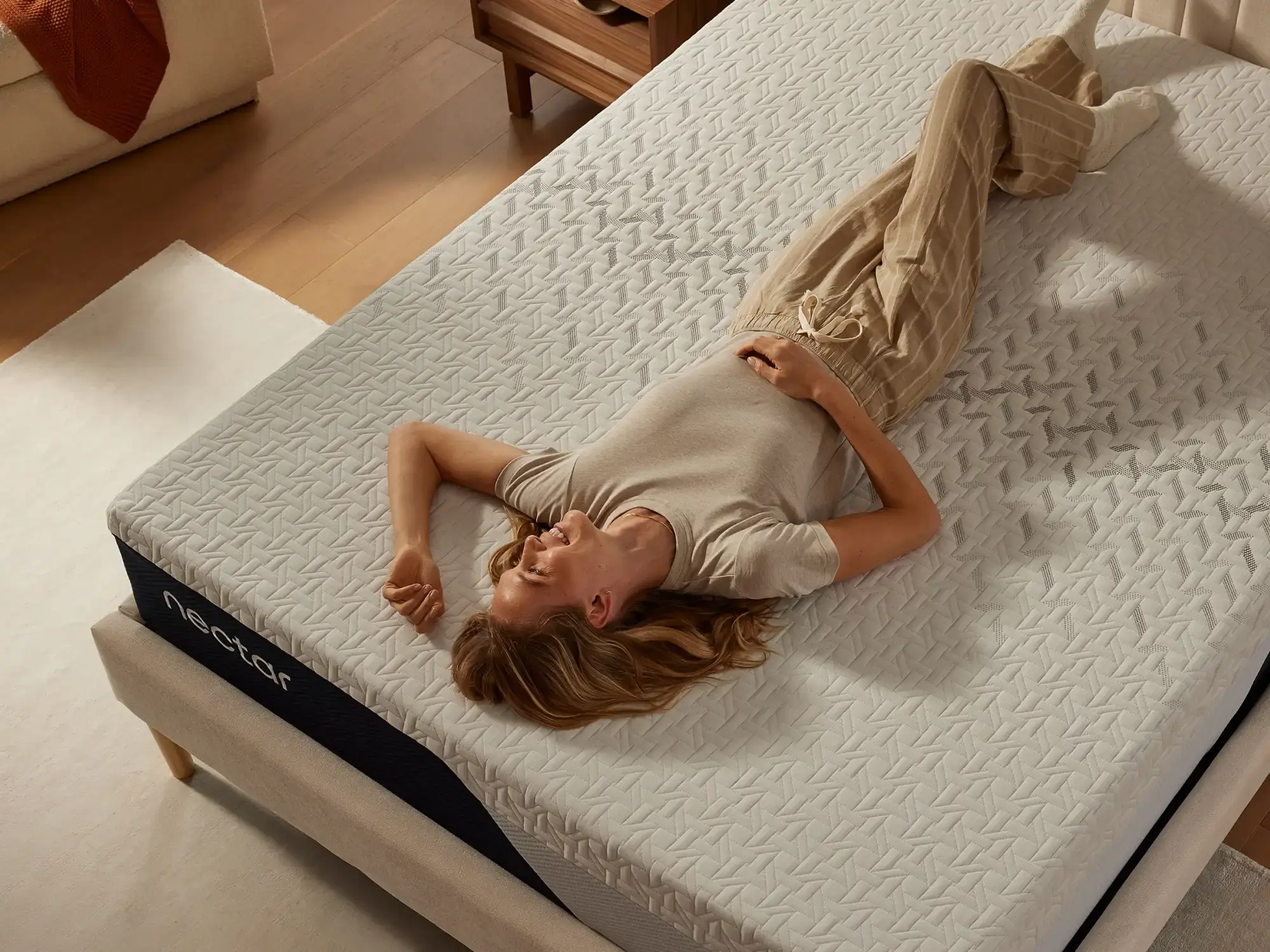
Before you start cleaning, it’s important to know what makes the Nectar mattress cover special. Nectar uses a unique blend of materials for their covers, usually a combination of Tencel fabric and polyester. Tencel is known for being very breathable, moisture-wicking, and soft. The cover is designed to be removable and quilted, giving extra comfort and protecting the mattress core.
However, the cover’s special design means it can be sensitive to harsh cleaning methods. Machine washing or drying at high temperatures can damage the fibers, cause shrinking, or affect the cover’s fit. Always take a careful approach to extend the life of your mattress and protect your warranty.
Why It’s Important To Clean Your Mattress Cover
A clean mattress cover does more than just look nice. Here are a few important reasons:
- Health: Dust mites, sweat, and dead skin can build up on your bed. Regular cleaning reduces allergies and asthma triggers.
- Odor Control: Sweat and spills can cause unpleasant smells. Cleaning removes these odors and keeps your bed fresh.
- Stain Prevention: Treating stains early stops them from becoming permanent.
- Mattress Longevity: A clean cover protects the mattress from spills, dirt, and bacteria, making your mattress last longer.
- Better Sleep: Clean bedding helps you sleep better by creating a comfortable, hygienic environment.
Credit: www.nectarsleep.com
Can You Wash The Nectar Mattress Cover?
Many people wonder if you can just remove the cover and put it in the washing machine. While Nectar covers are removable, the company recommends spot cleaning only. Machine washing can shrink or damage the cover, which might void your warranty. Always check the specific care label on your mattress cover—some older versions have slightly different instructions.
Key takeaway: Do not machine wash or dry the Nectar mattress cover unless the care tag clearly says it’s safe. In most cases, spot cleaning and gentle hand washing are the best options.
Tools And Supplies You’ll Need
To clean your Nectar mattress cover safely and thoroughly, gather these supplies:
- Mild detergent (free of bleach and strong chemicals)
- Clean white cloths or soft sponges
- Spray bottle (for spot cleaning)
- Bowl or small bucket (for mixing cleaning solution)
- Vacuum cleaner with upholstery attachment
- Fan or open window (for air drying)
- Gloves (optional, to protect your hands)
- Stain remover (enzyme-based, for tough stains)
Having the right supplies ready makes the cleaning process faster and avoids last-minute mistakes.
Step-by-step Guide: How To Wash Nectar Mattress Cover
Cleaning the Nectar mattress cover takes a little time, but it’s worth the effort. Here’s a detailed step-by-step process:
1. Remove Bedding And Sheets
First, strip your bed completely. Take off all pillows, sheets, blankets, and any mattress protector you might use. This gives you clear access to the mattress cover.
2. Vacuum The Mattress Cover
Use a vacuum cleaner with an upholstery attachment to remove surface dust, crumbs, and hair. Go slowly, especially along seams and edges, where debris collects. This step is important because it removes dirt that could turn into mud during cleaning.
3. Check For Stains Or Spots
Look for any visible stains like coffee, sweat, or pet accidents. Identifying stains early helps you treat them before general cleaning. Use a flashlight if needed to check the whole surface, especially near the head of the bed.
4. Mix A Gentle Cleaning Solution
Fill a bowl or bucket with warm water (not hot). Add a small amount of mild detergent—just enough to make the water slightly soapy. Avoid anything with bleach, strong scents, or harsh chemicals. These can damage the Tencel fibers or leave residue.
5. Spot Clean Stains
Dip a clean white cloth or sponge into the soapy water. Wring it out so it’s damp, not dripping. Gently dab the stained area. Do not rub hard—this can spread the stain or damage the fabric. For tough stains, let the cleaning solution sit for 5-10 minutes.
Then dab again with a clean, damp cloth to remove soap.
Stubborn Stains
For stains like blood, urine, or wine, use an enzyme-based stain remover. Apply a small amount, let it sit for 10-15 minutes, then blot with a damp cloth. Always test on a small hidden area first.
6. Clean The Rest Of The Cover
For overall cleaning, lightly dampen a cloth with soapy water and gently wipe the entire cover. Work in small sections, and avoid making the cover too wet. Excess water can soak into the mattress, which is hard to dry and may cause mold.
7. Remove Soap Residue
Go over the cleaned areas with a separate cloth dampened with plain water. This step removes any leftover detergent, which can cause irritation if left behind.
8. Dry The Mattress Cover
Let the cover air dry completely. Open windows or use a fan to speed up drying. Do not use a hair dryer, heater, or put the cover in a dryer—high heat can ruin the fibers and shrink the cover. Make sure the cover is fully dry before putting sheets back on to prevent mildew.
9. Optional: Freshen With Baking Soda
If you want to remove odors, sprinkle a thin layer of baking soda on the dry cover. Let it sit for 2-4 hours, then vacuum it off completely. Baking soda absorbs smells and refreshes the fabric.
10. Reassemble The Bed
Once the cover is dry and odor-free, put your sheets and bedding back on. Your mattress is now fresh and clean.
Tips For Deep Cleaning Without Damaging The Cover
Sometimes, regular spot cleaning isn’t enough. Maybe you’ve had a big spill, or you want a deeper clean after illness or pet accidents. Here’s how to deep clean safely:
- Use as little water as possible—too much can seep through and damage the mattress.
- Never soak the cover or use a carpet cleaner.
- For urine or vomit, use a mix of water and white vinegar (1: 1 ratio), then follow with plain water to rinse.
- Avoid scrubbing—pat or blot instead.
- If the cover smells even after cleaning, repeat the baking soda treatment and vacuum again.
Some Nectar covers have a zipper, but the company does not recommend removing the cover for machine washing. If you must remove it, follow only the instructions from the care label.
Credit: www.nectarsleep.com
Comparing Spot Cleaning, Hand Washing, And Machine Washing
Not sure which cleaning method is best? Here’s a comparison:
| Method | Best For | Risks | Recommended by Nectar? |
|---|---|---|---|
| Spot Cleaning | Small stains, routine cleaning | Few if done gently | Yes |
| Hand Washing | Deeper cleaning, heavy soiling | Possible over-wetting | Yes, with caution |
| Machine Washing | Not recommended | Shrinking, damage, voids warranty | No |
How Often Should You Clean The Nectar Mattress Cover?
Frequency depends on your lifestyle and needs, but here are some general guidelines:
- Every 2-3 months: Light spot cleaning for general freshness.
- Immediately after spills: Clean stains as soon as they happen.
- Every 6-12 months: Deep cleaning, or after illness, heavy sweating, or pet accidents.
If you have allergies or pets, you may want to clean more often. Regular vacuuming (every time you change sheets) will help keep dust and allergens under control.
What To Avoid When Cleaning The Nectar Mattress Cover
Many people make mistakes that can ruin their mattress cover. Here’s what to avoid:
- Machine Washing: Unless the care tag says it’s okay, avoid this step. Most Nectar covers cannot handle machine washing.
- High Heat Drying: Never use a dryer or direct heat. This can shrink or damage the cover.
- Bleach and Harsh Chemicals: These break down Tencel fibers and cause discoloration.
- Soaking: Too much water can seep into the mattress and cause mold or mildew.
- Scrubbing: Vigorous scrubbing wears out the cover and spreads stains.
If in doubt, always go for the gentler method.
Common Mistakes Beginners Make
Even careful people can slip up. Watch out for these common errors:
- Not reading the care label: Every Nectar mattress cover has a tag with instructions. Some older models may be slightly different.
- Using colored towels: These can bleed dye onto the cover—always use white cloths.
- Putting the cover back before it’s dry: This traps moisture and causes mildew.
- Ignoring small stains: Small spills can turn into big, permanent stains if left untreated.
- Skipping regular vacuuming: Dust and hair build up quickly and can cause allergies.
How To Remove The Nectar Mattress Cover (if Needed)
Sometimes you may need to take off the cover, for example, to inspect the mattress core. Here’s how:
- Unzip the cover slowly. Nectar uses a sturdy zipper, but avoid pulling too hard.
- Lift the cover gently—do not stretch it or yank at corners.
- Only remove the cover if absolutely necessary, and put it back carefully to avoid damaging the zipper or seams.
Important: Removing the cover may void your warranty, especially if you wash it in a machine. Always check Nectar’s official policy or contact customer support if you’re unsure.
How To Deal With Specific Types Of Stains
Some stains need special treatment. Here’s how to deal with the most common ones:
Sweat Stains
Mix a solution of warm water and a small amount of mild detergent. Dab the area gently. For older sweat stains, add a little baking soda to the mix.
Blood Stains
Act fast. Use cold water—never hot, which sets the stain. Dab with a cloth, then use a tiny amount of hydrogen peroxide if needed. Rinse with water and dry thoroughly.
Urine Stains
Blot up as much as possible with paper towels. Use a mix of equal parts water and white vinegar to neutralize odor. Blot again with a clean, damp cloth.
Food Or Drink Stains
Remove solids first. Dab with soapy water, then use a gentle stain remover if needed. Rinse and air dry.
Pet Accidents
Clean up solids and blot liquids. Use an enzyme-based cleaner for best results. These break down the proteins in pet stains and remove odor.
Should You Use A Mattress Protector?
A mattress protector is a thin, waterproof layer that goes over your mattress cover but under your sheets. It’s a great investment if you want to avoid regular deep cleaning. Protectors are usually machine washable and can save you a lot of effort. While the Nectar cover is designed to be comfortable, it isn’t waterproof. If you have kids, pets, or sweat a lot, a protector can keep your mattress and its cover cleaner.
Here’s a quick comparison of the two:
| Feature | Nectar Mattress Cover | Mattress Protector |
|---|---|---|
| Washability | Spot clean only | Machine washable |
| Waterproof | No | Yes |
| Comfort | Soft, breathable | Varies by brand |
| Allergy Protection | Some | Better |
Do’s And Don’ts For Keeping Your Mattress Cover Clean
To keep your Nectar mattress cover in top shape, remember these do’s and don’ts:
Do’s:
- Vacuum regularly
- Treat stains quickly
- Use gentle cleaners
- Dry thoroughly
- Use a mattress protector if possible
Don’ts:
- Don’t machine wash (unless care tag allows)
- Don’t use bleach
- Don’t soak the cover
- Don’t expose to direct heat
Following these simple rules will keep your bed fresh and extend your mattress life.

Credit: www.tomsguide.com
The Impact Of Cleaning On Warranty
Nectar offers a long warranty on their mattresses, sometimes up to a lifetime. However, improper cleaning can void this warranty. For example, if you remove and machine wash the cover, Nectar may refuse to honor the warranty if the cover or mattress is damaged.
Always keep your purchase documents, and if you’re unsure about cleaning methods, contact Nectar customer service. Taking photos of the care label can help if you ever need to prove you followed instructions.
For official warranty details, check the Nectar Sleep Warranty page.
How To Maintain A Clean Mattress Cover Longer
Prevention is easier than deep cleaning. Here are some simple habits to keep your Nectar mattress cover clean for longer:
- Change your sheets weekly. This keeps sweat and dirt from reaching the cover.
- Shower before bed, especially in hot weather.
- Keep pets off the bed if possible.
- Don’t eat or drink in bed.
- Open windows to let your mattress breathe occasionally.
Just a few simple changes can reduce the need for deep cleaning and help your mattress last longer.
What To Do If The Cover Is Damaged
If your Nectar mattress cover is damaged—torn, shrunk, or stained beyond repair—don’t panic. Here are your options:
- Contact Nectar customer service to ask about replacement covers.
- Use a mattress protector to cover the damage and prevent further problems.
- In some cases, a professional upholstery cleaner can repair minor damage.
Do not try to sew or glue the cover yourself, as this may make things worse or void your warranty.
Nectar Mattress Cover Care Vs. Other Brands
Wondering how Nectar compares to other brands? Many mattress covers are not machine washable—especially those made with Tencel, bamboo, or other delicate fibers. Here’s a quick look:
| Brand | Cover Material | Washability | Warranty Impact |
|---|---|---|---|
| Nectar | Tencel/polyester | Spot clean only | Machine wash voids warranty |
| Casper | Polyester blend | Some removable, machine washable | Check care label |
| Purple | Polyester/spandex | Machine washable cover (most models) | Machine washing allowed |
| Tuft & Needle | Micro polyamide/polyester | Spot clean only | Machine wash voids warranty |
As you can see, most premium mattresses require gentle care for their covers. Always read instructions before cleaning.
Frequently Asked Questions
How Do I Know If My Nectar Mattress Cover Is Washable?
Check the care label sewn onto your mattress cover. Most Nectar covers say “spot clean only.” If the tag allows machine washing, follow those instructions. If you’re unsure, contact Nectar customer service.
Can I Use Bleach Or Stain Removers On My Nectar Mattress Cover?
Never use bleach on the Nectar mattress cover—it can damage the fibers and change the color. Use only mild, enzyme-based stain removers, and always test on a small, hidden spot first.
What Should I Do If The Cover Doesn’t Come Clean?
If a stain won’t come out, don’t scrub hard. Try treating it again with baking soda or an enzyme cleaner. If it still won’t lift, consider using a mattress protector to cover the spot, or ask Nectar about a replacement cover.
Is It Safe To Dry The Mattress Cover In A Dryer?
No. The dryer can shrink or ruin the Tencel fibers in the cover. Always air dry the cover flat and away from direct heat or sunlight.
Will Cleaning The Cover Affect My Nectar Mattress Warranty?
Improper cleaning (like machine washing) can void your warranty. Always follow the care label and Nectar’s official instructions. Save your receipts and take photos of the care tag if you need to file a warranty claim.
Keeping your Nectar mattress cover clean isn’t hard if you take a gentle, careful approach. With the right tools and regular maintenance, you’ll enjoy a fresh, hygienic bed and protect your investment for years to come.