
Washing a tapestry might sound simple, but there’s much more to it than just soap and water. Tapestries are not just decorative pieces; they are often valuable, delicate, and sometimes even historical. A wrong move can fade colors, weaken fibers, or cause permanent damage.
If you want your tapestry to look beautiful for years to come, you need to understand the right way to clean it. This guide will walk you through everything you need to know about how to wash a tapestry—whether it’s a modern wall hanging, a family heirloom, or a vibrant souvenir from your travels.
You’ll learn not only the basics, but also the details that beginners often miss, so you can confidently care for your tapestry at home.
Understanding Tapestries: Materials And Construction
Before you start any cleaning process, it’s important to know what your tapestry is made from. The material and weaving style affect how you should wash it.
Most tapestries are made from:
- Cotton: Common in modern tapestries; strong, but may shrink if washed incorrectly.
- Wool: Traditional choice; sensitive to hot water and agitation.
- Silk: Luxurious and delicate; very sensitive to water and sunlight.
- Synthetic fibers: Polyester or acrylic; more durable, but can react badly to some cleaning chemicals.
- Blends: Many tapestries use a mix of these fibers.
The weaving technique also matters. Hand-woven tapestries might have looser threads than machine-made ones. Some have embroidery or beads that need extra care.
Why Material Matters
Washing cotton with hot water can cause shrinking and fading. Wool can felt (become matted) if agitated. Silk can lose its shine or even break. Synthetic fibers might melt or deform with heat.
If you’re unsure of the material, check the label. If there’s no label, test a small, hidden part with a little water before you do anything else. Sometimes, a single tapestry can have several types of threads, making cleaning a real challenge.
Assessing The Tapestry: When And How To Clean
Not every tapestry needs washing. In fact, frequent washing can do more harm than good. Start by deciding if your tapestry really needs it.
Signs Your Tapestry Needs Washing
- Visible stains: Food, drink, pet accidents, etc.
- Noticeable odor: Musty smell or smoke.
- Dust buildup: Surface dust that won’t come off with gentle vacuuming.
- Mold or mildew: Spots or fuzzy growth, often caused by humidity.
When Not To Wash
If your tapestry is very old, valuable, or fragile, it may be better to avoid washing altogether. Spot cleaning or professional help is often safer. If you’re in doubt, consult a textile conservator or a reputable dry cleaner.

Credit: www.reddit.com
Preparing To Wash: Safety And Setup
Proper preparation is key to protecting your tapestry.
Gather Supplies
You’ll need:
- Mild, pH-neutral detergent (like Woolite or a special textile soap)
- Clean white towels or sheets
- Soft brush or sponge
- Large basin or bathtub
- Vacuum with a brush attachment (optional)
- Clean, dry area for drying
Avoid bleach, strong chemicals, or standard laundry detergent. These can damage the fibers or colors.
Check For Colorfastness
Before you wash the whole tapestry, test a small, hidden corner. Dampen a white cloth with lukewarm water and a tiny bit of detergent. Press it gently on the tapestry for a minute. If color transfers to the cloth, the dyes are not colorfast, and you should avoid washing with water.
Remove Loose Dirt And Dust
Lay the tapestry flat and gently vacuum the front and back using a low-suction setting and a brush attachment. Place a piece of mesh or pantyhose between the vacuum and the tapestry if you’re worried about snagging threads. For older or delicate pieces, skip the vacuum and shake gently outdoors.
Hand Washing: Step-by-step Guide
Hand washing is safest for most tapestries, especially those made from wool, silk, or with delicate embroidery.
Step 1: Fill The Basin
Fill a clean bathtub or large basin with cold to lukewarm water (never hot). Add a small amount of pH-neutral detergent and mix well.
Step 2: Submerge The Tapestry
Place the tapestry in the water. Gently press down so the water soaks through the fibers. Do not twist, wring, or scrub. Let it soak for 10–15 minutes.
Step 3: Gently Agitate
Using your hands, gently move the tapestry in the water. Focus on areas with stains or heavy dirt. If needed, use a soft brush or sponge with very light pressure.
Step 4: Rinse Thoroughly
Drain the soapy water and refill the basin with clean, cold water. Rinse the tapestry, repeating until all soap is gone. Leftover detergent can cause yellowing or fiber breakdown.
Step 5: Remove Excess Water
Lay the tapestry flat on a clean towel. Roll up the towel and tapestry together to press out water—do not twist or wring. Repeat with a second towel if needed.
Step 6: Dry Flat
Move the tapestry to a dry, flat surface. Place it on a dry towel or sheet, reshaping the tapestry to its original size. Avoid hanging when wet; this can stretch or distort the fabric.
Step 7: Final Drying
Let the tapestry air dry completely, away from direct sunlight or heat sources. Flip occasionally if needed. Drying may take 1–2 days, depending on the thickness.
Machine Washing: When (and When Not) To Try
Machine washing is risky for most tapestries. Only consider this for modern, sturdy, cotton or synthetic tapestries—never for wool, silk, vintage, or hand-embroidered pieces.
Safe Machine Washing Tips
- Use a gentle cycle (delicate or hand wash)
- Cold water only
- Place the tapestry inside a laundry bag or pillowcase to protect it
- Use a small amount of pH-neutral detergent
- Do not use fabric softener
- Skip the spin cycle if possible
After washing, follow the same flat-drying process as for hand washing.
Machine Washing Vs. Hand Washing
Here’s a quick comparison:
| Method | Best For | Risks | Effort Required |
|---|---|---|---|
| Hand Washing | Wool, silk, vintage, delicate tapestries | Time-consuming but safest | High |
| Machine Washing | Modern, sturdy cotton or synthetic tapestries | Possible shrinking, color loss, damage | Low |
Spot Cleaning: Targeting Stains
Sometimes, you don’t need to wash the whole tapestry. Spot cleaning is useful for small stains or spills.
How To Spot Clean
- Mix a small amount of pH-neutral detergent with cold water.
- Dampen a white cloth or sponge in the solution.
- Gently blot (don’t rub) the stained area.
- Rinse the spot with another damp cloth to remove soap residue.
- Press with a dry towel to absorb moisture.
- Air dry flat.
This method is especially good for tapestries with fragile embroidery or beads.
Dry Cleaning: When To Use Professionals
Some tapestries should only be cleaned by experts. If your tapestry is:
- Very old or valuable
- Made of silk or wool
- Heavily soiled or stained
- Too large to handle at home
Find a dry cleaner with experience in delicate or antique textiles. Ask about their methods. Some use special solvents or low-moisture techniques.
Not all dry cleaners have the right skills. A poor cleaning job can ruin your tapestry forever. Always check references, and when in doubt, seek advice from a museum or textile conservator.
Drying And Aftercare: Keeping Your Tapestry Beautiful
Proper drying and aftercare can make a big difference in how your tapestry ages.
Drying
- Always dry flat. Hanging can stretch and deform the fibers.
- Keep out of sunlight. Sun can fade colors, especially with natural dyes.
- Flip and reshape. Check every few hours and gently stretch back to shape if needed.
- Never use a dryer. Heat can shrink, melt, or warp the tapestry.
Ironing
Most tapestries don’t need ironing. If necessary, use a warm iron (never hot) on the back side, with a white sheet or cloth between the iron and the tapestry. Test on a small area first.
Storage
If you’re not displaying your tapestry, store it carefully:
- Roll, don’t fold, to avoid creases.
- Wrap in a clean cotton sheet (never plastic).
- Store in a cool, dry place.
- Avoid attics, basements, or anywhere with high humidity.
For long-term storage, unroll and refold the tapestry in a different way every year to prevent permanent creases.
Hanging After Washing: What To Watch Out For
After your tapestry is clean and dry, you’ll want to rehang it. But avoid common mistakes.
Check For Wet Spots
Make sure the tapestry is completely dry before hanging. Even a little moisture can cause mold or mildew.
Support Matters
Use the same hanging method as before—rod, Velcro, or clips. For heavy tapestries, use a rod that supports the full width. Never use pins or nails that can tear the fabric.
Avoid Direct Sunlight And Heat
Hang your tapestry away from windows or radiators. Sunlight and heat can fade colors and weaken fibers over time.
Common Mistakes To Avoid
Many beginners make the same errors when washing a tapestry. Here are the most important ones to watch out for:
- Using too much detergent: Even gentle soap can leave residues that attract dirt or cause yellowing.
- Hot water or heat: Heat shrinks fibers, fades colors, and can melt synthetics.
- Rough handling: Twisting, wringing, or scrubbing can break threads or cause pilling.
- Hanging to dry: This stretches the tapestry out of shape.
- Ignoring colorfastness tests: Some tapestries bleed color easily.
- Storing in plastic: Plastic traps moisture and causes mold.
- Skipping regular dusting: Dust buildup is harder to remove if left too long.
- Not checking for beads/embroidery: These need extra care and may not survive immersion.
Cleaning Frequency: How Often To Wash
Tapestries do not need frequent washing. In fact, less is more.
- Routine cleaning: Dust or vacuum every 1–3 months.
- Spot cleaning: As needed for spills or stains.
- Full wash: Every few years, or only if visibly dirty or smelly.
Frequent washing wears out fibers and fades colors. If your tapestry is in a high-traffic area, consider covering it with a sheer cloth to protect it.
Special Considerations For Antique And Valuable Tapestries
Antique or valuable tapestries need extra care. Here are some important tips:
- Avoid washing if possible. Dust and spot clean only.
- Consult a professional for any serious cleaning.
- Never use home cleaning products or DIY tricks.
- Protect from pests like moths—use lavender sachets or cedar blocks nearby.
- Document any stains or damage before cleaning, in case you need expert help later.
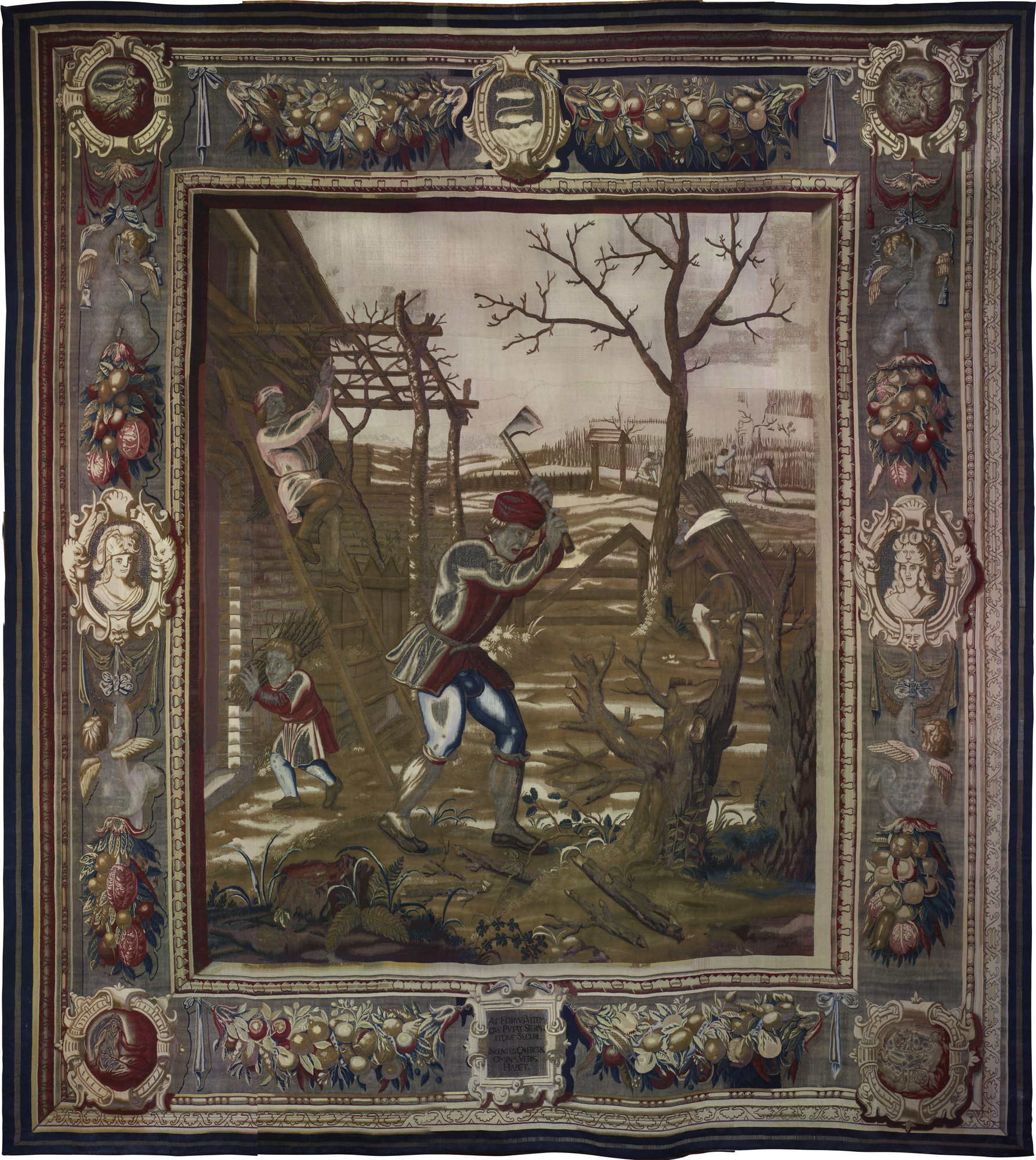
Museums often use specialized vacuum systems or low-moisture cleaning for ancient textiles. If you own a tapestry over 100 years old, follow their example and avoid water whenever possible.
Credit: www.thehistoryblog.com
Emergency Situations: Water Damage, Mold, And More
Sometimes accidents happen. Here’s what to do if your tapestry suffers water damage, mold, or other emergencies:
Water Damage
- Lay the tapestry flat on towels, blot up excess water.
- Move to a dry, ventilated area.
- Do not hang to dry.
- If stains develop, consult a textile expert.
Mold Or Mildew
- Take the tapestry outside (if possible) to avoid spreading spores indoors.
- Brush off loose mold with a soft brush.
- Dry flat in sunlight for a few hours (not full sun, and not for silk or wool).
- Consult a conservator for further cleaning.
Fire Or Smoke Damage
- Avoid home cleaning. Soot and smoke can set into fibers.
- Contact a professional restoration service.
Comparing Home Cleaning And Professional Cleaning
Is it better to wash your tapestry yourself or pay a pro? Here’s a quick comparison:
| Aspect | Home Cleaning | Professional Cleaning |
|---|---|---|
| Cost | Low (just detergent and water) | High (can cost $50–$300+) |
| Safety | Risk of damage if not careful | Safer for antiques and valuables |
| Convenience | Can do anytime at home | May require appointments, travel |
| Results | Good for modern, sturdy tapestries | Best for difficult stains, old tapestries |

Credit: www.reddit.com
Eco-friendly And Allergy Considerations
If you or your family members have allergies, or if you want to reduce your environmental impact, consider these tips:
- Use fragrance-free, eco-friendly detergents.
- Rinse thoroughly to remove all soap.
- Air dry outdoors if possible, but never in direct sunlight for delicate fibers.
- For dust allergies, vacuum regularly with a HEPA filter.
Natural fibers like wool and cotton can collect dust mites, so regular dusting is important.
Long-term Care And Preservation Tips
To keep your tapestry beautiful for decades, follow these long-term care strategies:
- Rotate the tapestry: Change its position on the wall every few years to avoid uneven fading.
- Protect from pests: Moths and beetles can eat wool and silk.
- Monitor humidity: Keep between 40–60%. Too dry or too humid can damage fibers.
- Avoid exposure to smoke or cooking fumes.
- Record any changes: Take photos every year to spot fading or damage early.
Many museums follow these steps to preserve historic tapestries. Even at home, a little extra care now can prevent big problems later.
Non-obvious Insights For Tapestry Owners
Many beginners miss these important points:
- Humidity control is key. Even without water, high humidity can cause mold or fiber rot. Use a dehumidifier in damp climates.
- Air circulation matters. If your tapestry hangs against an outside wall, leave a small gap behind it. This prevents condensation and mildew growth.
- Sunlight fades dyes faster than you think. Even indirect light can cause fading. If you notice colors getting paler, move the tapestry or use UV-blocking window film.
These simple steps can add decades to your tapestry’s life.
Frequently Asked Questions
How Do I Know If My Tapestry Can Be Washed?
Check the label or any care instructions. If there’s no label, research the materials and age. Test colorfastness on a hidden spot. If unsure, consult a professional, especially for valuable or antique tapestries.
Can I Use Regular Laundry Detergent To Wash My Tapestry?
No, regular detergents are too harsh. They can strip colors and damage fibers. Always use a pH-neutral detergent designed for delicate fabrics or wool.
What Should I Do If My Tapestry Shrinks Or Distorts After Washing?
Lay it flat and gently stretch it back to its original shape while damp. Use weights on the corners if necessary. If the damage is severe, you may need a textile conservator.
How Do I Remove Pet Hair From A Tapestry?
Before washing, use a lint roller or a vacuum with a brush attachment to remove pet hair. For stubborn hair, lightly dampen a rubber glove and run it over the surface.
Are There Any Resources For Learning More About Tapestry Care?
Yes. The American Institute for Conservation offers guidelines for textile care. You can also find helpful information at Wikipedia.
Caring for a tapestry is both an art and a science. With the right knowledge and a gentle touch, you can keep your tapestry vibrant and strong for years to come. Remember, each tapestry is unique—when in doubt, go slow and seek expert advice.
Your tapestry’s beauty and history are worth the extra effort.