
Many people spend one-third of their life sleeping. A mattress is more than just a place to rest—it’s a big part of your health and comfort. But, there’s a hidden danger most people don’t expect: fiberglass inside mattresses. Fiberglass is used as a fire barrier in many beds, especially cheaper memory foam or bed-in-a-box models. If you don’t know what’s inside your mattress, you might be risking your health. Tiny fiberglass fibers can escape, causing skin irritation, breathing issues, and even long-term damage to your home.
You may not notice fiberglass at first. It’s invisible to the naked eye, but the effects can be serious. Many people only learn about fiberglass after experiencing itching, rashes, or seeing strange glittering particles in their bedroom. Manufacturers rarely advertise that their mattresses contain fiberglass.
So, how can you tell if your mattress has fiberglass? This guide will help you identify fiberglass, understand the risks, and know what to do if you find it. Let’s get started.
What Is Fiberglass And Why Is It Used In Mattresses?
Fiberglass is a material made from tiny glass fibers. It’s lightweight, cheap, and resistant to fire. Mattress makers use it mainly for fire protection. Since 2007, US law requires mattresses to pass strict fire safety tests. Fiberglass acts as a barrier between the foam and the outside fabric. When exposed to fire, it melts and forms a shield, slowing down flames.
Many companies choose fiberglass because it’s affordable and easy to add. Instead of using expensive natural materials like wool, they put a layer of fiberglass inside the cover. This layer is often hidden, so you won’t see it unless you open the mattress.
While fiberglass helps prevent fires, it can harm people. If the cover tears or is removed, the fibers can escape, causing health problems. Once fiberglass gets into your home, it’s hard to clean and may stay in the air for months.
Why Fiberglass In Mattresses Is A Problem
Fiberglass is safe when sealed inside the mattress cover. Problems start if the cover is damaged, removed, or unzipped. Here’s why fiberglass is risky:
- Skin irritation: Fiberglass fibers are sharp. They can cause itching, rashes, and allergic reactions.
- Respiratory issues: Breathing in fiberglass can lead to coughing, asthma, and lung irritation.
- Home contamination: Fiberglass spreads easily. It can stick to carpets, furniture, and clothes. Cleaning up is difficult and costly.
- Children and pets: Kids and pets are more sensitive. They may experience stronger reactions, and fibers can stick to their toys or bedding.
A study from the Journal of Environmental Health showed that fiberglass contamination from mattresses can be hard to remove, often needing professional cleaning. The CDC warns that exposure to fiberglass can cause both short-term and long-term health effects.

Credit: www.everydayhealth.com
Signs Your Mattress May Contain Fiberglass
Many mattresses containing fiberglass look like any other mattress. They don’t advertise it. However, there are signs you can check:
1. Mattress Price And Brand
Cheap mattresses, especially those under $500 or from unknown brands, often use fiberglass. Popular “bed-in-a-box” brands sometimes use fiberglass to save costs.
2. Mattress Type
Memory foam mattresses are most likely to contain fiberglass. Traditional innerspring mattresses rarely use it. Natural latex or organic mattresses usually avoid fiberglass, using wool or other natural fire barriers.
3. Label And Tag Wording
Check the law tag sewn into the mattress. Look for words like:
- “Glass fiber”
- “Fiberglass”
- “Fire barrier: 100% glass fiber”
If you see these phrases, your mattress likely contains fiberglass.
4. Manufacturer’s Website Or Product Description
Some brands mention the fire barrier in their product description. Look for transparency in their materials list. If the fire barrier isn’t explained or is described as “proprietary,” it may be fiberglass.
5. Unzippable Covers
Mattresses with covers that can be unzipped and removed often contain fiberglass. Manufacturers warn against removing the cover, as it exposes the fire barrier.
6. Warnings Or Instructions
If your mattress has a tag or manual saying “Do not remove cover,” it’s often a sign that there is fiberglass inside. The warning may be small, but it’s important.
7. Physical Symptoms
If you notice itching, rashes, or glitter-like particles on your skin or bedding, fiberglass might be escaping. This is a strong sign, especially if you recently removed or damaged the cover.
How To Check Your Mattress For Fiberglass
You don’t need to cut open your mattress. Here are steps to check for fiberglass safely:
Step 1: Inspect The Law Tag
Every mattress has a law tag—usually at the head or side. It lists materials. Look for “glass fiber,” “fiberglass,” or similar terms. If you see these, your mattress contains fiberglass.
Step 2: Research The Brand
Go to the manufacturer’s website. Look for transparency about materials. If they don’t mention the fire barrier or use vague terms, contact customer service and ask directly.
Step 3: Check The Cover
If your mattress has a removable cover, check for warnings. Do not unzip the cover. If there’s a warning saying not to remove the cover, the fire barrier is probably fiberglass.
Step 4: Look For Physical Signs
Check your bedding, clothes, and skin for small, shiny particles. Use a flashlight to inspect. If you see glitter-like fibers, it could be fiberglass.
Step 5: Ask The Retailer
If you bought your mattress from a store or online, ask the retailer about the fire barrier. Reputable sellers should give a clear answer.
Step 6: Compare With Other Mattresses
Many people don’t know how their mattress compares to others. Here’s a table showing which types usually contain fiberglass:
| Mattress Type | Chance of Fiberglass | Fire Barrier Material |
|---|---|---|
| Memory Foam | High | Fiberglass |
| Innerspring | Low | Wool/Cotton |
| Latex (Organic) | Very Low | Wool/Natural Fibers |
| Hybrid | Medium | Fiberglass or Wool |
Common Mattress Brands And Their Use Of Fiberglass
Some brands are known for using fiberglass, while others avoid it. Here’s a comparison of popular brands:
| Brand Name | Fiberglass Used? | Fire Barrier Material |
|---|---|---|
| Zinus | Yes | Fiberglass |
| Nectar | Yes (in some models) | Fiberglass |
| Tuft & Needle | No | Rayon/Wool |
| Purple | No | No Fiberglass |
| Casper | Some models | Fiberglass or Rayon |
| Avocado | No | Wool/Natural Fibers |
Always check the specific model, as brands may use different materials in different mattresses.
What To Do If Your Mattress Has Fiberglass
If you discover your mattress contains fiberglass, don’t panic. Take these steps to protect yourself and your home:
1. Do Not Remove Or Unzip The Cover
Never unzip or remove the cover. This exposes the fiberglass, which can escape and contaminate your home.
2. Cover The Mattress With A Protector
Use a high-quality mattress protector that fully encloses the mattress. This adds another layer and keeps fibers trapped.
3. Clean Carefully
If you suspect fiberglass has escaped, vacuum the area with a HEPA filter vacuum. Wear gloves and a mask. Avoid using regular vacuums—they can spread fibers.
4. Monitor Symptoms
Watch for skin irritation or breathing issues. If you experience symptoms, consult a doctor.
5. Contact The Manufacturer
Reach out to the mattress company. Ask about the fire barrier and what steps they recommend if fiberglass is escaping.
6. Consider Replacing
If you have severe contamination or health issues, consider replacing your mattress with one that uses natural fire barriers like wool or silica.
7. Professional Cleaning
In extreme cases, fiberglass can contaminate your home. Professional cleaning may be needed. The cost can be high, but it’s the safest way to remove fibers.
Alternatives To Fiberglass Mattresses
There are safer options. Look for mattresses using wool, cotton, or silica as fire barriers. Organic or certified mattresses usually avoid fiberglass.
- Organic latex mattresses: These use wool or cotton for fire protection.
- Innerspring mattresses: Traditional models often use natural fibers.
- CertiPUR-US certified mattresses: Some foam mattresses avoid fiberglass, but check the fire barrier details.
Certifications To Look For
Certifications help you find safer mattresses. Look for:
- GOTS (Global Organic Textile Standard)
- GREENGUARD Gold
- CertiPUR-US
These certifications mean the mattress avoids harmful chemicals and often avoids fiberglass.
Real-life Stories: Fiberglass Exposure From Mattresses
Many people discover fiberglass in their mattress after health issues. Here are two examples:
- Sarah’s story: Sarah bought a memory foam mattress online. After unzipping the cover, she noticed glittering particles everywhere. Her skin started itching, and she developed rashes. Cleaning her home took weeks, and she had to throw away bedding and clothes.
- John’s experience: John’s child complained of itchy skin. After inspecting the mattress and seeing shiny fibers, he learned the mattress contained fiberglass. He replaced the mattress and symptoms disappeared.
These stories show how easily fiberglass can escape if the cover is removed. Awareness is key.

Credit: beloitmattress.com
How Fiberglass Contamination Happens
Fiberglass fibers are tiny and light. When the mattress cover is opened or damaged, fibers escape. They float in the air, stick to surfaces, and can be breathed in. Here’s how contamination spreads:
- Air circulation: Fibers move with air, landing on carpets, curtains, and furniture.
- Cleaning attempts: Using a regular vacuum or wiping surfaces can spread fibers further.
- Personal items: Clothes and bedding pick up fibers. Washing may not remove all of them.
A study found that after fiberglass contamination, homes may need professional cleaning, costing thousands of dollars. The CDC suggests using HEPA filters to reduce exposure.
Why Manufacturers Use Fiberglass
Fiberglass is cheap and effective for meeting fire safety rules. Alternatives like wool are more expensive. Some companies choose cost over safety, hoping customers won’t notice. Transparency is improving, but many mattresses still contain fiberglass.
Manufacturers rarely mention fiberglass in advertisements. It’s hidden in product descriptions or law tags. If you want to avoid fiberglass, choose brands that clearly explain their fire barrier materials.
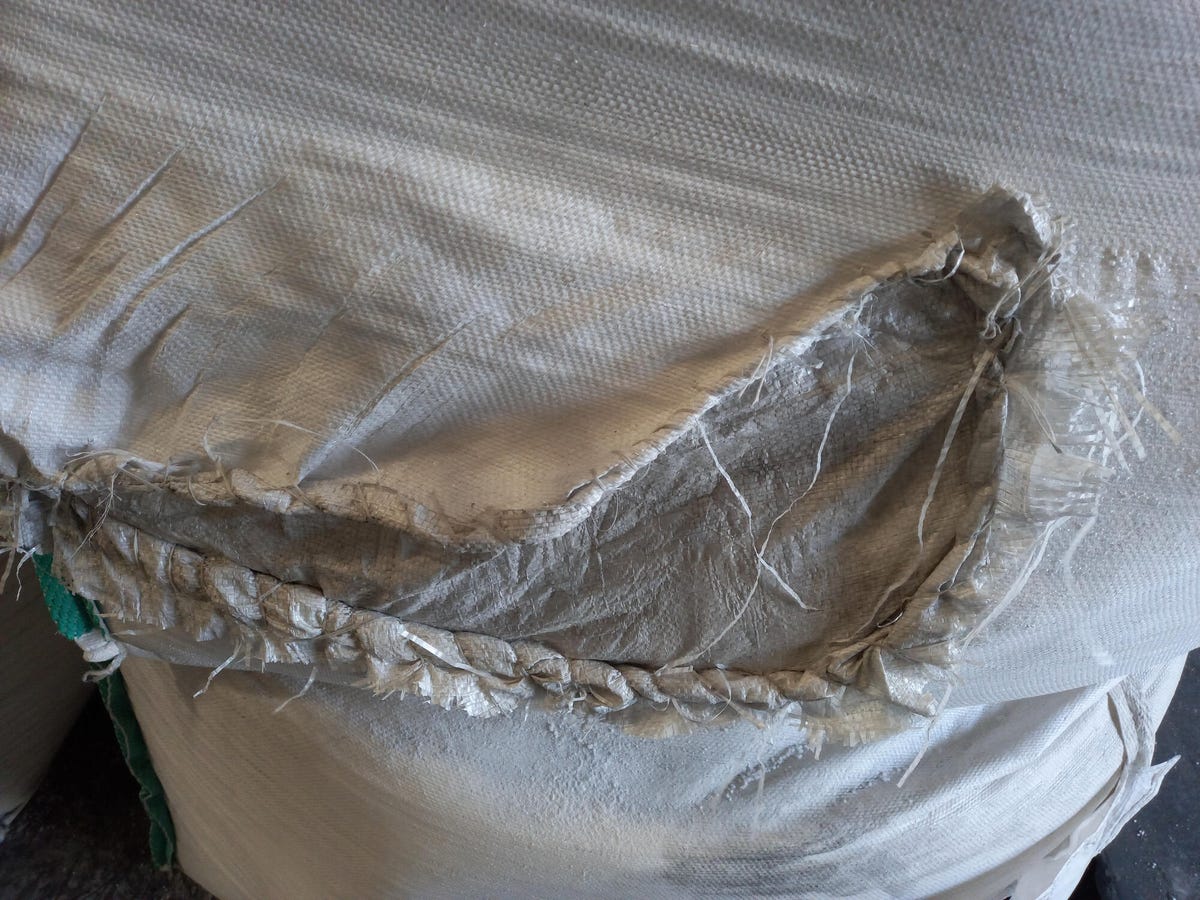
Credit: www.cnet.com
How To Shop For A Fiberglass-free Mattress
Shopping for a safe mattress takes some research. Here’s a step-by-step guide:
- Check the materials list: Look for specific fire barrier details.
- Read the law tag: Avoid mattresses listing “glass fiber” or “fiberglass.”
- Ask customer service: Contact the brand and ask directly about the fire barrier.
- Look for certifications: Choose mattresses with GOTS, GREENGUARD, or CertiPUR-US certifications.
- Avoid unzippable covers: If a mattress has a removable cover, ask what’s underneath.
- Read reviews: Look for customer experiences related to fiberglass.
- Compare brands: Use comparison tables and research reputable brands.
Fiberglass Vs. Other Fire Barriers
Different fire barriers offer various levels of safety and comfort. Here’s a comparison:
| Fire Barrier Material | Safety | Cost | Comfort |
|---|---|---|---|
| Fiberglass | Low (if exposed) | Low | High (no impact) |
| Wool | High | High | Medium |
| Silica | Medium | Medium | High |
| Cotton | Medium | Medium | High |
Choose the fire barrier that suits your health needs and budget.
Practical Tips For Mattress Owners
Here are some expert tips for keeping your mattress safe:
- Never remove the cover unless the manufacturer says it’s safe.
- Use a mattress protector to add a barrier.
- Check the law tag every time you buy a new mattress.
- Research before buying. Don’t trust low prices or vague product descriptions.
- Clean with care: If you suspect fiberglass, use a HEPA vacuum and wear protective gear.
- Teach children: Explain to kids not to play with the mattress cover.
Many people forget to check the law tag or ignore warnings. This is a common mistake. Always check before you buy or remove a cover.
How To Remove Fiberglass Contamination
If fiberglass escapes from your mattress, cleaning is difficult. Here’s what to do:
- Wear protective clothing: Gloves, masks, and long sleeves.
- Use a HEPA vacuum: Regular vacuums can spread fibers.
- Wash bedding in hot water: Repeat washing if needed.
- Avoid wiping surfaces: Dry dusting spreads fibers.
- Contact professionals: If contamination is widespread, professional cleaning may be needed.
It’s better to prevent contamination than to clean up after it happens.
Legal Issues And Consumer Rights
Some people have filed lawsuits against mattress companies for fiberglass contamination. If you suffer health problems or property damage, you may have rights. Keep records, take photos, and contact the manufacturer. Some brands offer refunds or replacements.
Consumer groups are pushing for clearer labeling and safer materials. Regulations may improve in the future, but for now, it’s up to buyers to check.
Non-obvious Insights For Beginners
Many beginners miss these key points:
- Fiberglass isn’t always listed as “fiberglass.” Sometimes it’s called “glass fiber” or “fire barrier.”
- Removing the cover is the main risk. Even if the mattress seems fine, unzipping the cover can start contamination.
- Professional cleaning is often needed. Regular cleaning methods rarely remove all fibers.
- Symptoms may not appear right away. Exposure can cause delayed skin or breathing problems.
Understanding these points helps you avoid mistakes and protect your health.
Frequently Asked Questions
What Should I Do If I Already Removed My Mattress Cover?
If you removed the cover and suspect fiberglass exposure, stop using the mattress. Wear gloves and a mask, clean the area with a HEPA vacuum, and wash bedding. Contact the manufacturer for advice. If symptoms appear, see a doctor.
Is Fiberglass In Mattresses Dangerous For Children?
Yes, fiberglass can harm children. Their skin and lungs are more sensitive. Fibers can stick to toys and bedding, increasing exposure. Use a mattress protector and avoid mattresses with fiberglass if you have children.
Can I Clean Fiberglass Contamination Myself?
You can try cleaning small areas using a HEPA vacuum and hot water. Wear protective gear. For large contamination, professional cleaning is best. Fiberglass fibers are hard to remove and may stay in the home for months.
Are All Memory Foam Mattresses Made With Fiberglass?
No, but many are. Check the law tag, product description, and certifications. Some brands use natural fire barriers. Always check before buying.
Where Can I Learn More About Mattress Safety?
You can find more information at the US Consumer Product Safety Commission. They explain fire safety rules and materials used in mattresses. Here is a helpful resource: US Consumer Product Safety Commission.
Final Thoughts
Knowing what’s inside your mattress is important for your health and comfort. Fiberglass is a hidden danger in many mattresses, especially budget models and memory foam beds. By checking the law tag, reading product descriptions, and using protectors, you can avoid risks. If you find fiberglass, protect yourself and your family, and consider safer alternatives. With good research and awareness, you can sleep easy—without worrying about hidden hazards.