
Securing a crawl space door is one of those home maintenance tasks that people often overlook—until a problem happens. Yet, this small door plays a big role in your home’s safety, comfort, and even energy efficiency. If your crawl space door is weak, poorly sealed, or simply forgotten, you could be inviting pests, moisture, cold air, and even intruders into your house.
Many homeowners don’t realize how much a simple upgrade or a few hours of work can change things for the better. In this guide, you’ll learn step-by-step how to secure your crawl space door, why it matters, and what mistakes to avoid.
Whether you’re dealing with an old wooden panel or a modern plastic hatch, you’ll find practical advice here to help you protect your home for the long term.
Why Securing Your Crawl Space Door Matters
Your crawl space is like the underbelly of your house. It’s out of sight, but it directly affects your home’s structure, air quality, and utility bills. A secure crawl space door does more than just keep out animals.
1. Pest prevention: Mice, rats, raccoons, snakes, and insects love dark, damp places. An unprotected door is an open invitation.
2. Moisture control: Rainwater, humid air, and even groundwater can enter through gaps, leading to mold, mildew, and rot.
3. Home security: Thieves know many crawl space doors are weak. A strong, locked door keeps them out.
4. Energy savings: Unsealed doors let in cold or hot air, making your HVAC system work harder.
5. Structural protection: Excess moisture can damage joists, beams, and insulation under your house.
Many people only think about their crawl space after a pest infestation or a mold problem. Securing the entry can prevent those headaches entirely.
Types Of Crawl Space Doors And Their Weak Points
Not all crawl space doors are the same. The material and design affect how secure and weatherproof the door is.
| Material | Common Problems | Security Level |
|---|---|---|
| Wood | Rot, warping, easy to break | Low to Medium |
| Plastic/Vinyl | UV damage, cracks, loose fit | Low to Medium |
| Metal (Steel/Aluminum) | Rust, sharp edges, hard to insulate | High |
| Composite | Expensive, can warp with heat | Medium to High |
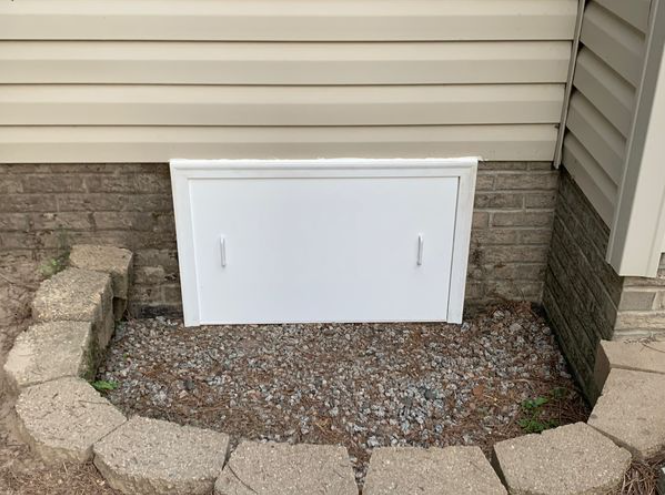
Wooden doors are common in older homes. They can be strong, but they rot easily and are simple for animals (or people) to chew through or pry open. Plastic doors resist rot but may crack in cold weather or loosen as they age. Metal doors are strong and often used for high-security needs but may rust if not painted or coated. Composite doors mix materials for durability and energy efficiency but are less common and cost more.
When checking your own door, look for gaps, soft spots, rusty hinges, and broken locks. These are weak points where animals, water, or thieves can get in.
Assessing Your Crawl Space Door: What To Check First
Before you start buying locks or weatherstripping, take a close look at your crawl space door. Here’s what to examine:
- Door material: Is it solid or hollow? Is it showing signs of age like cracks, rot, or rust?
- Frame condition: Are the edges firm and square, or is there decay or shifting?
- Hinges and hardware: Are they rusted, loose, or missing screws?
- Seal and insulation: Can you see light around the door? Feel a draft? Smell musty air?
- Locking mechanism: Is there a real lock, or just a latch that anyone could open?
Take pictures and make notes. Sometimes, you’ll find that the door itself is fine, but the frame is failing. Or the lock is strong, but the hinges are falling off. These details matter.
Choosing The Right Crawl Space Door Upgrade
If your current door is too damaged, it’s often better to replace it. But what should you choose? Consider these factors:
| Feature | Why It Matters |
|---|---|
| Material strength | Resists break-ins and animal entry |
| Weather resistance | Prevents rot, mold, and corrosion |
| Insulation value | Keeps out extreme temperatures |
| Lock compatibility | Allows for secure padlocks or deadbolts |
| Easy access | Lets you open for inspections or repairs |
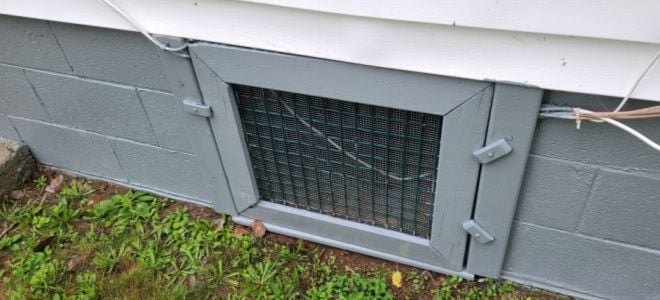
Metal doors with a rust-proof coating and internal insulation are the gold standard, but a thick, treated wooden door with a strong frame can also work well if maintained. Avoid thin plastic options unless you live in a very dry, mild climate.
Non-obvious tip: Some homeowners install a double-door system—one exterior security door and one interior insulated panel. This adds both security and energy savings.
Credit: www.doityourself.com
Tools And Materials Needed For Securing A Crawl Space Door
Preparation is half the battle. Gather these supplies before starting:
- Heavy-duty door (if replacing)
- Pressure-treated lumber (for frame repairs)
- Galvanized hinges and screws
- Weatherstripping (foam or rubber)
- Door sweep (for bottom seal)
- Insulation board (optional)
- Padlock or deadbolt
- Drill and screwdriver
- Pry bar and hammer
- Caulk or expanding foam
- Paint or sealant (for wood/metal)
- Measuring tape
- Safety goggles and gloves
Pro tip: Choose stainless steel or galvanized hardware to prevent rust, especially in damp crawl spaces.
Step-by-step Guide: How To Secure Your Crawl Space Door
1. Remove The Old Door (if Replacing)
Start by unscrewing hinges and removing any old locks. If the door is stuck, use a pry bar gently. Be careful of nails or sharp metal.
2. Inspect And Repair The Frame
Check for soft, rotting wood or cracked concrete. Replace any damaged frame pieces with pressure-treated lumber. The frame must be square and solid, or no lock will work well.
If the frame is set in concrete and has gaps, fill them with expanding foam or outdoor caulk to block pests and water.
3. Install The New Door
Position the new door in the frame. There should be no more than a 1/8 inch gap around the edges. Too much space lets in air and pests.
Attach the door with galvanized hinges. Use at least three hinges for a solid fit. If your door is heavy (like metal), use four.
4. Weatherproof The Edges
Apply weatherstripping around all edges that meet the frame. For the bottom, use a door sweep or a thick rubber gasket. This stops drafts, water, and bugs.
For extra insulation, glue a piece of rigid foam board to the inside of the door. Make sure it doesn’t block the door from closing.
5. Add A Secure Lock
A strong door is useless without a real lock. Your options:
- Padlock and hasp: Simple, but choose a thick steel hasp and a weatherproof padlock.
- Deadbolt: Requires some carpentry skill but provides more security.
- Internal slide bolt: Good for extra protection, but only if you can reach it easily.
Install the lock at a spot where the frame is strongest—usually near the middle of the door.
Important: Make sure the hasp and lock are attached to the frame, not just the door. Otherwise, a thief can just remove the door from the hinges.
6. Paint Or Seal The Door
If your door is wood or metal, apply an outdoor-grade paint or sealant. This protects against moisture, UV rays, and pests. For metal doors, check for scratches and touch up to prevent rust.
7. Test And Adjust
Open and close the door several times. Check that the lock works smoothly. Look for gaps by turning on a flashlight inside the crawl space (at night) and looking for leaks of light.
If you find drafts or see light, add more weatherstripping or adjust the frame.
Mistakes To Avoid When Securing A Crawl Space Door
Even experienced DIYers can miss key details. Here are common mistakes:
1. Ignoring the frame: Many people fix or replace the door but forget that a weak or rotting frame is just as bad.
2. Using indoor locks: Regular interior locks rust quickly and freeze in winter. Always pick weather-rated hardware.
3. Skipping weatherproofing: Without seals, your crawl space will still be damp and drafty, even if locked.
4. Poor installation: Doors that don’t sit flush or have loose hinges are easy to kick in or pry open.
5. Not checking for code compliance: Some areas require vented or unlockable crawl space doors for safety. Always check local rules.
Non-obvious insight: Many crawl spaces have utility lines running nearby—don’t drill or screw into pipes or wires by accident. Always look and feel inside the wall before making holes.
Upgrading For Maximum Security: Advanced Options
If you have valuable items stored below or live in a high-crime area, consider advanced security steps.
1. Security bars: Install metal bars behind the door. These are hard to cut and almost impossible to pry open.
2. Alarm sensors: Small wireless alarms can alert you if the door is opened.
3. Reinforced concrete frame: For the highest security, pour a reinforced concrete frame around the door opening.
4. Motion-activated lighting: Place a light above the crawl space entry. Thieves and animals hate sudden light.
5. Camera monitoring: Small waterproof cameras can record or send alerts if anyone approaches.
Keep in mind that these upgrades cost more and may need professional installation. But for some homes, especially in flood or crime-prone areas, they’re worth it.
Weatherproofing And Insulating Your Crawl Space Door
Security isn’t just about locks—it’s also about keeping out moisture, cold, and mold. A well-sealed door makes a huge difference in your home’s comfort and energy use.
How To Weatherproof
- Use high-quality weatherstripping (closed-cell foam or rubber) on all four sides.
- Add a door sweep to seal the bottom gap.
- Seal any cracks in the frame with outdoor caulk.
- Paint exposed wood or metal to prevent water damage.
How To Insulate
- Cut a piece of rigid foam insulation to fit the inside of the door.
- Attach it with construction adhesive.
- Cover seams with foil tape.
- Make sure the door still opens and closes easily.
Non-obvious tip: Don’t block any required crawl space vents—these prevent moisture buildup. If your area requires venting, use insulated vent covers that open and close as needed.
Keeping Out Pests: Additional Tips
Even a strong door won’t keep out bugs and animals if there are other weak spots.
- Check for holes around pipes or wiring and seal with steel wool and caulk.
- Make sure vents have tight screens.
- Keep the area around the crawl space clear of leaves, wood, and debris.
- Trim back bushes and grass to remove hiding places for pests.
Interesting fact: Rodents can squeeze through a hole the size of a dime. Double-check even tiny gaps!
Credit: cathmer.com
Diy Vs. Professional Installation: What’s Right For You?
Some crawl space doors are easy for a handy homeowner to secure. Others may need a pro, especially if the frame is badly damaged or the door is custom-sized.
| Task | DIY Friendly? | Professional Recommended? |
|---|---|---|
| Install weatherstripping | Yes | No |
| Replace door/hardware | Yes (with tools) | Sometimes |
| Repair/replace frame | If minor | Yes, if major |
| Install advanced locks | Yes (basic), No (electronic) | Yes, for complex |
| Pour concrete frame | No | Yes |
If you’re not sure, get a quote from a local contractor. Sometimes, paying for expert installation saves money in the long run by preventing problems.
Maintaining A Secure Crawl Space Door Over Time
Securing your crawl space door isn’t a one-time job. Plan on regular checks and maintenance to keep it strong.
1. Inspect twice a year: Look for rust, rot, loose hinges, and worn weatherstripping.
2. Clean the area: Remove dirt, leaves, or debris that can block the door or trap moisture.
3. Lubricate locks and hinges: Use a silicone spray or graphite (not oil) to keep moving parts smooth and rust-free.
4. Touch up paint or sealant: Keep the door and frame protected from the weather.
5. Check after storms: Heavy rain or snow can shift or damage the door and frame.
Surprising insight: Many pest invasions start after a storm weakens the crawl space door or frame. Quick checks can prevent a big problem.

Credit: www.youtube.com
Crawl Space Door Security: Real-world Examples
Imagine two houses on the same street. One has a flimsy wooden panel as its crawl space door, with a rusty latch and gaps you can see through. After a heavy rain, the family finds mold and a raccoon nest under their floor.
The other house has a sealed, insulated metal door with a strong padlock. After the same storm, their crawl space stays dry, safe, and pest-free.
Or consider a home in a flood-prone area. The owner installs a reinforced concrete frame and a steel door with a deadbolt. When floodwaters rise, the crawl space stays protected, and the home’s foundation remains solid. A small investment in materials and time prevents thousands of dollars in damage.
These real-life cases show how a secure crawl space door is more than just a finishing touch—it’s a key part of protecting your entire home.
Common Questions And Myths About Crawl Space Security
People often believe that a crawl space door isn’t important, or that a simple wooden panel is enough. Here are some common myths:
- Myth: “No one will ever look under there.”
Reality: Pests and thieves look for easy targets.
- Myth: “Plastic doors never rot, so they’re best.”
Reality: Plastic can crack, warp, and is often easy to break.
- Myth: “Locks don’t matter if the door is strong.”
Reality: A lock is only as good as the door and frame.
- Myth: “Weatherproofing is only for cold climates.”
Reality: Moisture and pests are a problem everywhere.
- Myth: “I can install any lock and it will work.”
Reality: Outdoor-rated locks are essential for long-term use.
Don’t let these myths put your home at risk. A little work now saves you a lot of trouble later.
Frequently Asked Questions
How Often Should I Check My Crawl Space Door?
You should inspect your crawl space door at least twice a year—once in spring and once in fall. Also, check after major storms or if you notice signs of pests or drafts. Regular checks help you catch problems early, before they cause bigger issues.
What Is The Best Material For A Crawl Space Door?
Metal doors are usually the most secure and long-lasting, especially if they’re coated to resist rust. Treated wood can also work if it’s painted and kept dry. Avoid thin plastic doors unless your climate is very mild and dry. For most homes, a metal or heavy composite door is best.
Can I Use A Regular House Lock On My Crawl Space Door?
It’s better to use an outdoor-rated lock. Regular indoor locks rust quickly and can jam or break. Look for a weatherproof padlock, deadbolt, or combination lock designed for exterior use. For high-security needs, consider adding a security bar or alarm.
Do I Need To Add Insulation To My Crawl Space Door?
Adding insulation helps keep out cold, heat, and moisture, making your home more comfortable and energy efficient. It’s especially useful if your crawl space is under a heated floor or contains water pipes. Just make sure you don’t block any required vents.
Where Can I Find More Information About Building Codes For Crawl Space Doors?
For accurate information, visit your local building department’s website or check the International Residential Code (IRC) guidelines. You can also read more at the EPA’s crawl space sealing page for guidance on safety and code requirements.
A secure crawl space door protects your house from pests, weather, and intruders. With the right materials, a good lock, and regular care, you can keep your home safe and comfortable for years to come. Don’t wait for a problem—take action today and enjoy the peace of mind that comes from knowing your crawl space is truly secure.