
Many people choose radiant floor heating because it brings comfort and energy savings to homes and buildings. But the real secret to making this system work well is in its insulation. Without proper insulation, much of the heat escapes to places where it’s not needed, like the ground or lower levels. This means wasted energy and higher bills. If you plan to install radiant floor heating, or want to improve an existing system, understanding how to insulate it correctly is essential.
Insulation does more than keep heat in. It also makes floors warm faster, reduces energy use, and prevents uneven temperatures. Yet, many homeowners and even contractors overlook important details when insulating radiant floors. In this guide, you’ll learn everything you need to know: from the different types of insulation, how to choose the right material, installation steps, practical tips, and common mistakes to avoid. Whether you’re working on a new build or renovating an old home, you’ll find clear advice here to ensure your radiant floor heating system is efficient, reliable, and long-lasting.
Why Insulation Matters For Radiant Floor Heat
Radiant floor heating works by running hot water pipes or electric cables under the floor. The floor becomes warm, and this heat rises into the room. If there’s no insulation below the heating system, much of the energy goes down, not up. This is called downward heat loss.
Proper insulation solves several problems:
- Keeps more heat in the room
- Floors heat up faster
- Lowers energy costs (sometimes by 30% or more)
- Reduces wear and tear on the heating system
A study by the U.S. Department of Energy shows that well-insulated radiant floors can save 10–20% on heating bills compared to uninsulated ones. In cold climates, the savings can be even higher.
Types Of Radiant Floor Heating Systems
Before choosing insulation, you need to know which kind of radiant floor heating you have or plan to install. The type of system affects insulation choices and installation methods.
Hydronic Radiant Floor Heating
This system uses hot water pipes (usually PEX tubing) under the floor. A boiler heats water, which moves through the pipes and warms the floor.
- Most common for whole-home heating
- Often used in concrete slabs, but also works with wood subfloors
Electric Radiant Floor Heating
This system uses electric cables or mats under the floor. Electricity warms the cables, heating the surface above.
- Popular for small spaces (like bathrooms)
- Easy to install in renovations or retrofits
Air-heated Radiant Floors
These use air channels under the floor, but are very rare. Air does not carry heat as well as water or electricity, so these systems are not common in modern homes.
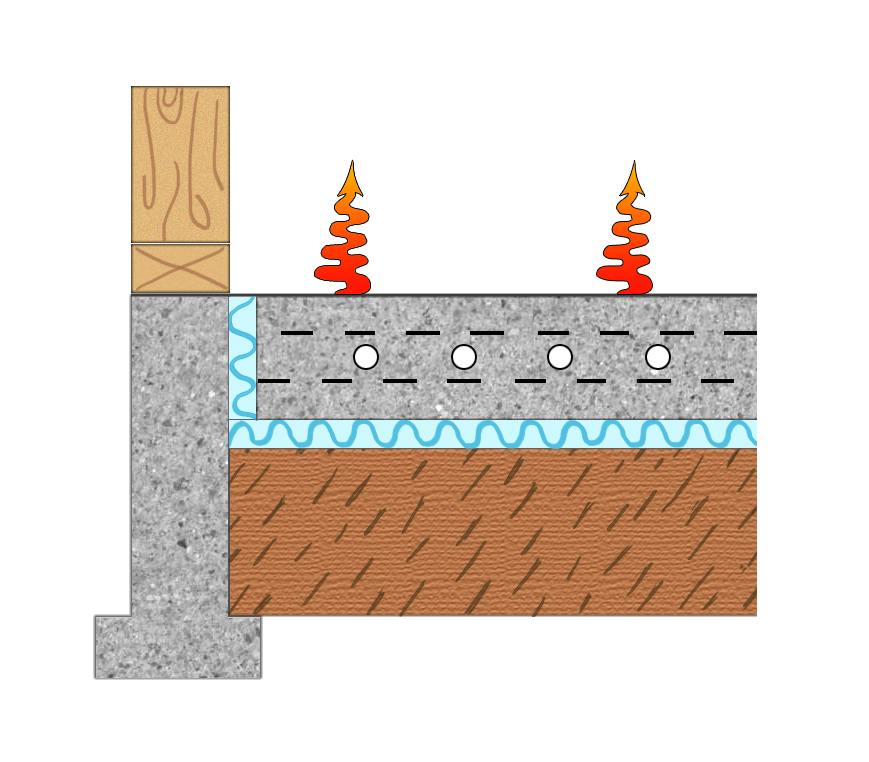
Credit: www.radiantec.com
Where Insulation Goes In Radiant Floor Systems
The best place for insulation depends on the type of installation and the building’s structure.
Over Concrete Slabs
If you install radiant heat in a concrete slab, the insulation usually goes below the slab. This blocks heat from moving into the ground.
Over Wood Subfloors
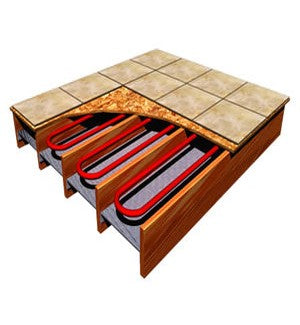
For wood floors, insulation is placed between the joists, under the heating pipes or cables. Sometimes, a layer is also added above the subfloor, below the finish floor.
Retrofit Installations
For existing floors, insulation is often added from below (for example, in a basement ceiling). Special types may be used in thin applications above the floor.
Types Of Insulation For Radiant Floors
Not all insulation is the same. Different materials have different strengths, installation methods, and costs. Here are the most common types for radiant floor heating:
| Insulation Type | Best For | R-Value per Inch | Notes |
|---|---|---|---|
| Rigid Foam Board (EPS/XPS) | Concrete slabs | 4–5 | High moisture resistance |
| Spray Foam | Hard-to-reach spaces | 6–7 | Air seal plus insulation |
| Mineral Wool (Rockwool) | Joist cavities | 3.7–4.3 | Fire and water resistant |
| Fiberglass Batts | Joist cavities | 2.9–3.8 | Low cost, easy to install |
| Reflective (Foil-faced) | Above subfloor/retrofit | Varies | Good with air gap |
Rigid Foam Board (eps And Xps)
These boards are made of expanded polystyrene (EPS) or extruded polystyrene (XPS). They offer high R-values and resist moisture well, making them ideal for use under concrete.
- EPS is more affordable; XPS is stronger and more water-resistant.
- Boards are easy to cut and fit.
- Typical thickness: 1–2 inches (R-5 to R-10)
Spray Foam
Spray foam fills gaps and creates both an air seal and insulation layer. It works well in basements, crawlspaces, or when the shape is irregular.
- Closed-cell spray foam gives the highest R-value per inch.
- Expensive, but seals air leaks as well as heat loss.
Mineral Wool (rockwool)
Made from natural stone, mineral wool resists fire, water, and mold. It’s often used between joists under wood floors.
- Denser than fiberglass, so it also helps block sound.
- Easy to cut and fit snugly.
Fiberglass Batts
A budget-friendly choice, fiberglass batts are often used between floor joists in wood-frame homes.
- Must be cut to fit tightly (gaps reduce effectiveness).
- Not moisture-proof, so not ideal for basements or damp areas.
Reflective (foil-faced) Insulation
This is a thin layer of foil-faced bubble wrap or foam board. It reflects radiant heat back up and is sometimes used in retrofit jobs.
- Best when installed with a small air gap.
- Not a replacement for thick insulation, but can boost performance.
How To Choose The Right Insulation
Not every type of insulation is right for every job. Here’s how to pick the best one for your project:
- Location and Climate
- Cold climates need higher R-values (thicker insulation).
- Damp areas (like basements) require moisture-resistant materials.
- Type of Radiant System
- Hydronic systems in concrete: Rigid foam boards under the slab.
- Electric mats on wood: Mineral wool or fiberglass in joists below.
- New Build vs Retrofit
- New builds allow for thicker, more effective insulation.
- Retrofits may need thin or spray-in options.
- Budget
- Spray foam and XPS are more expensive, but may save more energy.
- Fiberglass is cheaper, but has lower performance.
- Installation Skill
- Some types (like spray foam) need professionals.
- Others (like batts or boards) are DIY-friendly.
Step-by-step: How To Insulate Radiant Floor Heat
A careful installation makes all the difference. Below are steps for the two most common radiant floor setups: over concrete slab and over wood subfloor.
Insulating Radiant Floor Over Concrete Slab
1. Prepare The Site
- Remove debris, rocks, and level the ground.
- Ensure proper drainage to prevent water from pooling under the slab.
2. Lay A Vapor Barrier
- Roll out 6-mil polyethylene sheeting over the ground.
- Overlap seams by 6 inches and tape them.
- This stops ground moisture from reaching the insulation or slab.
3. Install Rigid Foam Board
- Lay EPS or XPS boards directly over the vapor barrier.
- Boards should fit tightly with no gaps.
- For cold climates, use at least 2 inches thick (R-10 or more).
4. Seal The Joints
- Tape or foam-seal the seams between boards to prevent air leaks.
- Seal edges at walls.
5. Install The Radiant Heat System
- Lay PEX pipes or electric cables on top of the insulation, following manufacturer’s layout.
- Secure pipes/cables with clips or mesh as recommended.
6. Pour The Concrete Slab
- Carefully pour concrete over the whole system.
- Typical slab is 4 inches thick.
- Do not let pipes shift or float up during the pour.
7. Final Floor Finish
- Once cured, add the chosen floor covering (tile, wood, etc).
Pro tip: Insulate the slab’s edges with vertical foam board to stop heat loss to the sides, which can be 10–20% of total losses.
Insulating Radiant Floor Over Wood Subfloor
1. Inspect And Seal The Subfloor
- Check for gaps, cracks, or holes. Seal with caulk or spray foam.
- This keeps cold air from leaking in.
2. Install The Radiant System
- Attach PEX pipes or electric mats to the subfloor (above the joists).
3. Insulate Between Joists
- Cut mineral wool or fiberglass batts to fit snugly between joists.
- If using batts, avoid compressing them (reduces R-value).
4. Add Reflective Barrier (optional)
- For extra efficiency, staple a foil-faced layer under the joists.
- Leave a 1–2 inch air gap between the insulation and foil.
5. Seal And Protect
- Cover the insulation from below with drywall or plywood if required by code or for fire safety.
Advanced tip: Spray foam can be used between joists for an airtight seal, especially in drafty basements.
Retrofit And Special Cases
When you cannot access above or below the floor, consider these options:
- Use thin high-R foam panels or reflective mats above the subfloor, under new flooring.
- Spray foam from below, if the ceiling is open.
- Install insulation in the basement ceiling below the heated floor.
Common Mistakes To Avoid
Even small errors can ruin the efficiency of radiant floor heating. Here are mistakes to watch for:
1. Gaps In Insulation
Gaps allow heat to escape. Always fit insulation tightly and seal seams.
2. Wrong Insulation Type
Using fiberglass in a damp basement leads to mold and poor performance. Choose moisture-resistant types where needed.
3. Too Thin Insulation
In cold climates, thin insulation means high heat loss. Don’t skimp on thickness.
4. No Vapor Barrier
Skipping this step lets ground moisture ruin insulation and cause mold.
5. Forgetting Edge Insulation
Most heat loss in slabs is at the edges. Always insulate the sides, not just below.
6. Ignoring Building Codes
Local codes may require specific R-values or fire protection. Always check before starting work.
7. Blocking Airflow With Reflective Insulation
Reflective foil needs an air gap. Pressing it tight to insulation doesn’t reflect heat well.
8. Improper Pipe Placement
Pipes or cables too close to the slab’s bottom don’t heat the floor well. Always follow layout instructions.
How Insulation Affects Performance And Comfort
A well-insulated radiant floor heats up faster and stays warm longer. It also uses less energy, so your system runs less often. This means lower bills and longer equipment life.
Comfort improves, too. Rooms heat evenly, with no cold spots. You’ll notice less draft and more warmth at your feet.
In poorly-insulated floors, it can take hours for the heat to reach the surface, and much is lost below. You may have to turn up the thermostat, using more energy for less comfort.
Insulation Thickness And R-value: What’s Enough?
The R-value measures how well insulation resists heat flow. The higher the R-value, the better the insulation.
Here are some general guidelines for minimum R-values:
| Climate Zone | Under Slab | Between Joists | Edge Insulation |
|---|---|---|---|
| Warm (South US) | R-5 | R-13 | R-5 |
| Moderate | R-10 | R-19 | R-10 |
| Cold (North US/Canada) | R-15 | R-30 | R-15 |
Always check local building codes, which may require higher values.
Insulating Different Flooring Types
The type of floor covering you choose also affects how well heat moves into the room. Some materials work better than others:
- Ceramic tile: Best conductor, heats up quickly.
- Engineered wood: Works well, but use thin boards.
- Carpet: Slows heat transfer; use low-pile with thin pad only.
- Vinyl/laminate: Check with manufacturer—some types may not be suitable for high heat.
If you use thick carpet, you may need higher water temperatures or longer run times, which reduces efficiency.
Cost Breakdown: Insulation For Radiant Floor Heating
Costs vary based on material, labor, and project size. Here’s a rough estimate for a 500 sq. ft. area:
- Rigid foam board: $600–$900 (material only)
- Spray foam: $1,200–$2,000 (installed)
- Mineral wool: $500–$800
- Fiberglass batts: $400–$600
Labor adds $1–$3 per sq. Ft. for installation if you hire a pro. DIY can save costs, but mistakes are common among beginners.
Saving tip: The extra cost for better insulation pays back in lower energy bills within 3–5 years, especially in cold climates.
Diy Vs Professional Installation
Many types of insulation can be installed by handy homeowners. If your project is small, like a bathroom, and uses electric mats or simple batts, DIY is possible.
Hire a professional if:
- Your floor is large or complex
- You need spray foam insulation
- Local codes require certified installers
- There are moisture or mold problems
Non-obvious insight: Even if you DIY, it’s smart to have a pro review your plan for code compliance and safety.

Credit: goplymouthfoam.com
Maintenance And Long-term Performance
Once your radiant floor and insulation are installed, there’s little ongoing maintenance. Here’s how to keep the system efficient:
- Check for drafts or cold spots once a year.
- Inspect for signs of moisture under floors (especially basements).
- If rooms heat unevenly, look for compressed or shifted insulation.
- For hydronic systems, inspect pipes for leaks.
Expert tip: After 10–15 years, have a pro inspect insulation in accessible areas, as it can shift or degrade over time.
Upgrading Existing Floors With Insulation
If you have radiant floor heating but poor insulation, upgrades can make a big difference. Here’s what you can do:
- Add spray foam or mineral wool from below, if the ceiling is open.
- For slab floors, add perimeter (edge) insulation by digging a shallow trench around the house and adding foam boards.
- If replacing flooring, add a thin high-R insulation board before reinstalling the finish floor.
Real-world example: A homeowner in Minnesota reduced heating bills by 22% after adding mineral wool batts under their radiant floor. The rooms also became more comfortable, with no more cold spots.
Environmental Benefits Of Good Insulation
Besides saving money, well-insulated radiant floors are good for the environment:
- Lower energy use means less fossil fuel burned for heat.
- Reduces greenhouse gas emissions from power plants or boilers.
- Some insulation materials (like mineral wool) are made from recycled content.
Non-obvious insight: Using the right insulation can actually qualify your home for energy efficiency rebates or tax credits in some states.
When To Call An Expert
If you face these situations, it’s best to get professional help:
- Moisture or mold under the floor
- Large or multi-zone radiant systems
- Complicated layouts (curves, multiple levels)
- Unsure about local codes and fire safety
A professional can also help you pick the right insulation and ensure it’s installed for maximum performance.
Credit: www.omundo.cw
Further Resources
If you want more technical details on insulation and radiant floor heating, the U.S. Department of Energy offers excellent guides and research. Visit their website at Energy Saver for more.
Frequently Asked Questions
What Is The Best Insulation For Radiant Floor Heat Under A Concrete Slab?
Rigid foam board (EPS or XPS) is the top choice under concrete slabs. It offers high R-value per inch, resists moisture, and supports the weight of the slab. Use at least 2 inches thick in cold climates.
Can I Add Insulation To An Existing Radiant Floor?
Yes, you can add insulation from below (for example, in a basement ceiling) using mineral wool, fiberglass, or spray foam. For concrete slabs, edge insulation can still be added by digging a trench around the perimeter.
Is It Worth Insulating A Radiant Floor In A Warm Climate?
Even in warm areas, insulation helps by speeding up warm-up times and reducing energy bills. Thin insulation (R-5) may be enough, but don’t skip it.
Does Carpet Reduce The Effectiveness Of Radiant Floor Heat?
Carpet slows down heat transfer. If you want carpet, choose low-pile with a thin pad, and check with your heating system’s manufacturer for recommendations.
How Thick Should Insulation Be Under A Radiant Floor?
Thickness depends on climate:
- Warm: 1 inch (R-5)
- Moderate: 2 inches (R-10)
- Cold: 3 inches (R-15 or more)
Check local building codes for specific requirements.
Radiant floor heating is an investment in comfort and efficiency. With the right insulation, you’ll get warmer rooms, lower bills, and a system that lasts for years. Investing a little extra time and money in proper insulation pays off every time you step onto a cozy, warm floor.