
Keeping walls looking fresh is not always easy, especially when they have a flat paint finish. Flat paint, also called matte paint, is known for its smooth, non-reflective look. It hides surface flaws well and gives rooms a cozy, modern feel. But, as many homeowners learn, flat paint can be tricky to clean. It absorbs stains and marks more easily than glossy paints, and scrubbing too hard can actually remove the paint itself. If you have children, pets, or high-traffic areas, you probably see fingerprints, scuffs, and even crayon marks appear on your walls. The good news is, you can clean flat paint walls safely and keep them looking their best—with the right methods.
This guide will show you how to clean flat paint walls step by step. You will learn what tools and products to use, what to avoid, and how to deal with everything from light dust to tough stains. We will also cover special cases, like removing crayon or grease, and how to touch up paint if cleaning causes damage.
These tips are based on real-world experience, so you can trust them to work in your home.
Understanding Flat Paint Walls
Before cleaning, it helps to know why flat paint is special. Unlike eggshell or satin finishes, flat paint has no shine. That’s because it contains more pigment and less binder. The result? It reflects little light and hides minor wall flaws. People often use flat paint in bedrooms, ceilings, and living rooms for a soft, elegant look.
But there’s a trade-off. Flat paint is more porous. This means dirt and oils soak in, and the surface is easier to damage. If you rub too hard, you can create shiny spots or even remove the paint. Using the wrong cleaner can also leave behind smears or faded areas.
Knowing these risks helps you clean smarter, not harder.
Why Cleaning Flat Paint Walls Is Different
Many people try to clean flat paint walls the same way they clean glossy walls. This is a mistake. Glossy paint is tougher and resists moisture, so you can use stronger cleaners and more scrubbing. Flat paint, on the other hand, needs a gentle touch. Scrubbing too much, using harsh chemicals, or cleaning without dusting first can make stains worse or create visible marks.
Here’s what makes cleaning flat paint unique:
- Easily damaged by friction: Too much pressure can lift the paint.
- Absorbs liquids: Stains sink in quickly.
- Sensitive to water: Over-wetting can cause streaks or soften the paint.
- Shows repair marks: Touch-ups may look different unless done carefully.
That’s why a careful, step-by-step process is so important.
Tools And Supplies You Need
Gathering the right supplies makes the job much easier and safer. Here are the essentials:
- Soft microfiber cloths: For wiping and gentle cleaning.
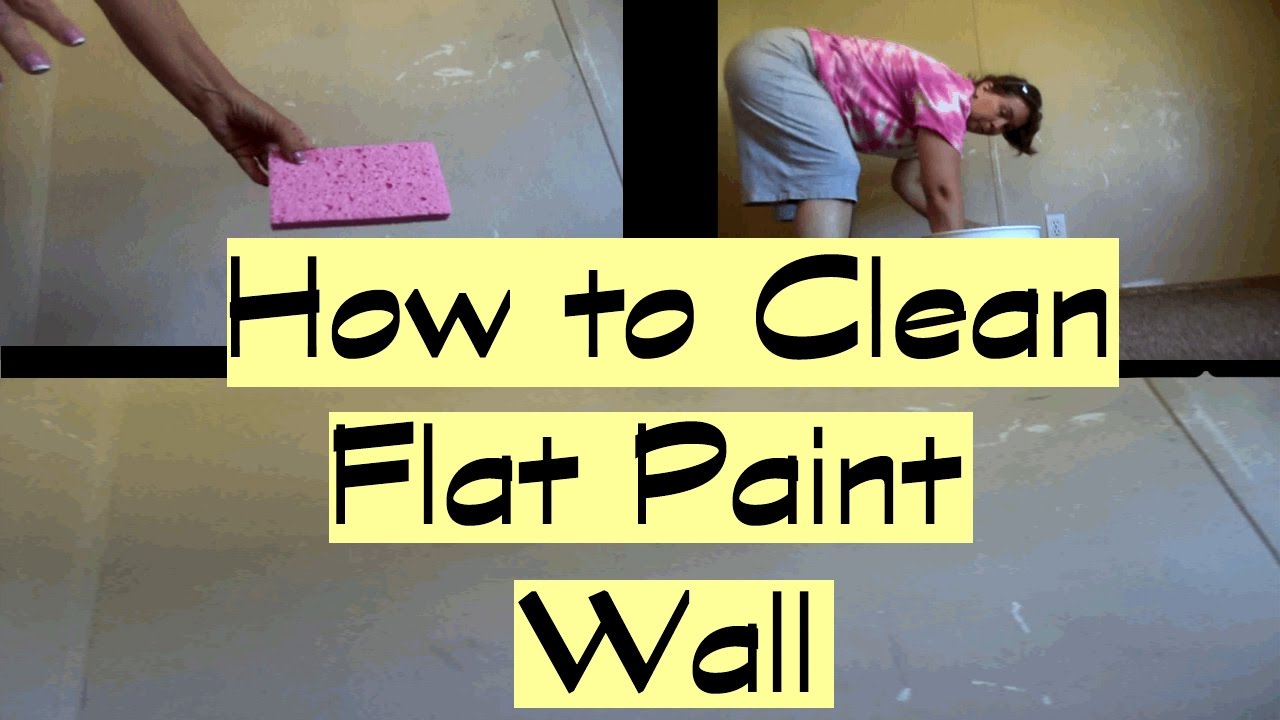
- Sponge (non-abrasive): For stubborn spots.
- Bucket: For mixing solutions.
- Mild dish soap: A gentle cleaner that doesn’t damage paint.
- White vinegar: Good for tough stains.
- Warm water: Safer than hot, which can soften paint.
- Vacuum cleaner with brush attachment: For dusting.
- Magic Eraser (optional): For very tough marks, but use sparingly.
- Cotton swabs: For small or detailed cleaning.
- Touch-up paint and small brush: In case you need to repair damage.
Tip: Avoid colored sponges or cloths that might bleed dye onto your wall.
Preparing The Area
Before you start cleaning, take a few simple steps to protect your home and make the job easier:
- Move furniture: Shift items away from the wall so you can reach all areas.
- Lay down towels or drop cloths: Protect your floor from drips or splashes.
- Remove wall art or decor: Take down anything hanging on the wall.
- Check for loose paint: If you see peeling or flaking, don’t clean until it’s repaired.
Preparation saves time and prevents accidental damage.
Step-by-step Cleaning Method
Cleaning flat paint walls is best done in stages, from the gentlest methods to stronger ones if needed. Here’s how to do it right.
1. Dry Dusting
Always start with dusting. Dust and dirt act like sandpaper when wet, so removing them first prevents scratches.
- Use a vacuum with a soft brush or a dry microfiber cloth.
- Start at the top of the wall and move down.
- Wipe gently in circular motions.
Common mistake: Skipping dusting. This can grind dirt into the paint during wet cleaning.
2. Spot Cleaning With Water
For fresh marks or light stains:
- Dampen a microfiber cloth with plain warm water (not soaked).
- Gently dab or wipe the mark—do not scrub.
- Pat dry with a clean, dry cloth.
Pro tip: Test a small hidden area first to check for changes in color or texture.
3. Using Mild Soap Solution
If water alone isn’t enough, try a gentle soap mix:
- Mix a few drops of mild dish soap in a bucket of warm water.
- Wet your cloth or sponge, then wring out until just damp.
- Gently wipe the stain in small circles.
- Rinse cloth in plain water, then wipe again to remove soap.
- Dry the area with a towel.
Insight: Using less soap is better—too much leaves residue.
4. Tackling Tough Stains
Some stains need more effort. For grease, crayon, or ink:
- Mix equal parts white vinegar and water.
- Dampen a cloth with the solution.
- Dab the stain—do not rub hard.
- Wipe with a clean, damp cloth to remove vinegar.
- Dry with a towel.
For very stubborn marks, a Magic Eraser can help, but use with caution. Wet it, squeeze out excess water, and gently dab the spot. Check often to avoid shiny spots.
Non-obvious insight: Magic Erasers work by abrasion. Using them too often will thin your paint.
5. Rinsing And Drying
After any cleaning, always rinse the area with a plain damp cloth. This removes any leftover soap or cleaning solution. Pat dry with a towel to prevent water marks.
6. Touching Up Paint
If cleaning removes paint or creates a shiny spot:
- Wait until the wall is completely dry.
- Lightly sand the damaged area with fine-grit sandpaper.
- Wipe away dust.
- Use a small brush and matching touch-up paint to cover the spot.
- Feather edges for best blending.
Touching up is often needed on flat paint, since even gentle cleaning can sometimes alter the finish.
Common Types Of Stains And How To Clean Them
Different stains need different treatments. Here’s a practical guide to tackling the most common ones on flat paint walls.
| Stain Type | Cleaning Method | Notes |
|---|---|---|
| Fingerprints | Water, mild soap | Gentle dabbing works best |
| Crayon | White vinegar, Magic Eraser | Test eraser in hidden spot first |
| Grease | Mild soap, vinegar mix | Rinse thoroughly |
| Scuff marks | Magic Eraser (very gently) | Avoid overuse |
| Food splashes | Soap, water | Clean soon for best results |
| Ink | Vinegar, cotton swab | Blot, don’t rub |
Insight: The faster you clean a new stain, the less likely it will set.
How Often Should You Clean Flat Paint Walls?
Routine cleaning helps your paint last longer and look better. But with flat paint, less is more. Over-cleaning can wear down the finish. Most homes do well with:
- Dusting: Once every 1-2 months
- Spot cleaning: As needed for new marks or stains
- Deep cleaning: Once or twice a year in high-traffic areas
Areas like entryways, hallways, and kitchens may need more attention, while bedrooms and offices often stay cleaner longer.
Mistakes To Avoid When Cleaning Flat Paint Walls
Even with the best intentions, it’s easy to make mistakes. Avoid these common errors:
- Using abrasive pads: Scrubbing pads or brushes scratch and remove paint.
- Over-wetting: Soaking the wall can cause streaks or peeling.
- Strong chemicals: Bleach, ammonia, and heavy-duty cleaners damage flat paint.
- Ignoring touch-ups: Small damaged spots grow if not repaired.
- Not testing first: Always try your method in a hidden spot before cleaning a large area.
Pro insight: If you’re unsure, less cleaning is usually better. Many marks fade with gentle dabbing and time.
/how-to-clean-flat-paint-GettyImages-825823452-43806e77314a46bb893d2c0780b149f0.jpg)
Credit: www.realsimple.com
When To Repaint Instead Of Clean
Sometimes, cleaning isn’t enough. If your walls have:
- Widespread stains that won’t come off
- Large shiny or faded spots
- Paint that is peeling or flaking
…it’s time to repaint. Flat paint is easy to touch up, so you don’t always have to redo the whole room. If you repaint, consider using a washable matte paint for easier maintenance in the future.
Comparison: Flat Paint Vs. Other Paint Finishes
To understand why flat paint needs special care, see how it compares to other finishes.
| Paint Finish | Durability | Ease of Cleaning | Best For |
|---|---|---|---|
| Flat/Matte | Low | Hardest | Ceilings, bedrooms |
| Eggshell | Medium | Easier | Living rooms, dining rooms |
| Satin | Medium-High | Easy | Kitchens, baths |
| Semi-gloss/Gloss | High | Easiest | Trim, doors |
Non-obvious insight: Some new “washable” flat paints behave more like eggshell—worth considering for future projects.
Choosing Cleaners: What Works And What To Avoid
Not all cleaning products are safe for flat paint. Here’s a quick reference.
| Product | Safe for Flat Paint? | Notes |
|---|---|---|
| Mild dish soap | Yes | Best all-purpose option |
| White vinegar | Yes (diluted) | For stubborn stains |
| Baking soda | No | Too abrasive |
| Bleach | No | Damages color and finish |
| Commercial cleaners | Usually no | Test first if needed |
| Magic Eraser | Yes, with caution | Can cause shine or paint loss |
Tip: Always rinse the wall after using any cleaner.
Tips For Preventing Stains On Flat Paint Walls
Prevention is easier than cleaning. Here’s how to keep your walls looking fresh:
- Wash hands often: Reduces fingerprints, especially in kids’ rooms.
- Use washable mats: In kitchens or near entryways.
- Keep furniture a few inches from walls: Prevents scuffs.
- Address stains quickly: The sooner you clean, the less likely they’ll set.
- Choose scrubbable flat paint: For homes with kids or pets.
Pro tip: Teach children to avoid touching walls. Small habits prevent big cleaning jobs.
Credit: www.youtube.com
How To Clean Large Areas Or Whole Walls
Sometimes, spot cleaning isn’t enough. If the whole wall looks dingy, you can clean a larger area, but caution is needed to avoid streaks.
- Dust entire wall with a microfiber mop or cloth.
- Prepare mild soap solution (a few drops in a bucket of warm water).
- Dampen a large sponge (not dripping).
- Start at the bottom and work up in small sections (prevents drips).
- Wipe gently with little pressure, overlapping each area.
- Rinse sponge frequently and change water as needed.
- Rinse wall with clean water and a fresh sponge.
- Dry immediately with towels to prevent water marks.
Pro insight: Cleaning from bottom to top controls streaking, which is more visible on flat paint.
Dealing With Mold Or Mildew
Mold or mildew is a special case. Flat paint is often used in rooms with less moisture, but it can still appear, especially on north-facing walls or in humid climates.
- Wear gloves and mask for safety.
- Mix one part white vinegar with three parts water.
- Dab the area gently—do not soak.
- Rinse with plain water and dry.
If mold returns, check for leaks or humidity problems. For large or persistent mold, call a professional.
Credit: localpainterflorida.com
What If Walls Still Look Dirty?
Sometimes, even after careful cleaning, walls still look dull. This happens when:
- Paint is very old
- Stains have set deeply
- Frequent cleaning has worn the finish
If this happens, repainting is the best solution. Choose a similar flat color for easy touch-ups in the future. If you want more durability, ask about washable matte paints at your local store.
Professional Help: When To Call In Experts
Cleaning flat paint is usually a DIY job. But if you have:
- Huge areas with stains
- Historic or delicate walls
- Allergy concerns
- Bad water or smoke damage
…it’s smart to call a professional cleaner or painter. They have tools and know-how for tough jobs.
Real-world Example: What Works And What Doesn’t
Imagine a busy family kitchen. The walls are painted with a soft, flat beige. Over time, you see a mix of grease splashes near the stove, pencil marks from kids, and scuffs from chairs.
- Grease splashes: Soap and water work if cleaned soon. Old grease may need vinegar.
- Pencil marks: A damp microfiber cloth usually removes them.
- Scuffs: Try a Magic Eraser gently, but test first to avoid shiny spots.
If these marks keep returning, consider repainting with a more washable finish in the future.
Eco-friendly Cleaning Options
If you prefer green cleaning, good news: most recommended methods for flat paint are already eco-friendly.
- Plain warm water
- Diluted white vinegar
- Natural dish soap
Avoid commercial products with strong chemicals. Dispose of dirty water safely, and use reusable cloths instead of paper towels.
Essential Takeaways For Cleaning Flat Paint Walls
- Be gentle: Use soft cloths and mild cleaners.
- Dust before wet cleaning.
- Clean stains as soon as they happen.
- Test your method on a hidden spot first.
- Touch up paint if you remove color or create a shiny area.
- Consider more durable paint for high-traffic rooms.
Caring for flat paint walls takes a little more effort, but the calm, beautiful look they bring to your home is worth it. With these tips, you’ll keep your walls looking clean and fresh—without costly mistakes.
Frequently Asked Questions
How Do I Clean Flat Paint Walls Without Removing The Paint?
Use a soft microfiber cloth and a mix of mild dish soap with warm water. Dampen the cloth (don’t soak it) and gently dab the stain. Always test in a hidden spot first. Avoid strong cleaners and scrubbing.
Can I Use A Magic Eraser On Flat Paint?
You can use a Magic Eraser for tough marks, but be very gentle. Wet the eraser, squeeze out excess water, and dab the spot lightly. Check often to make sure you’re not removing paint or creating a shiny spot.
What Should I Do If Cleaning Leaves A Shiny Spot?
If you notice a shiny spot after cleaning, let the area dry fully. If the spot is small, you can touch it up with matching flat paint. Feather the paint edges with a small brush for best blending.
How Do I Remove Crayon From Flat Paint Walls?
Start with a damp microfiber cloth. If that doesn’t work, try a mix of white vinegar and water. For stubborn marks, use a Magic Eraser gently, always testing first in a hidden spot.
Where Can I Learn More About Types Of Paint Finishes?
You can read more about paint finishes and their uses at the Wikipedia Paint Article.
Cleaning flat paint walls is all about gentle methods, quick action, and a little patience. With the right care, your walls will stay beautiful for years to come.