
Copper pans have been used by chefs and home cooks for hundreds of years. From the grand kitchens of France to the everyday American home, these shining pans have built a reputation for quality and performance. But what makes copper pans so special?
Are they just beautiful, or do they offer real benefits for cooking? If you’ve ever wondered whether you should add a copper pan to your kitchen, this guide will help you understand everything you need to know.
This article looks closely at the benefits of copper pans, how they compare to other cookware, and how to use them for the best results. You’ll also learn about the science behind copper, maintenance tips, and answers to common questions. After reading, you’ll be ready to decide if copper pans are right for you.
Why Copper Pans Stand Out
Copper pans are not just about looks. They have unique qualities that set them apart from other cookware. One of the biggest reasons chefs love copper pans is their excellent heat conductivity. But there’s much more to discover.
The Science Of Heat Conductivity
Copper is one of the best metals at conducting heat. This means that when you put a copper pan on the stove, it heats up quickly and evenly. Unlike cheaper materials that create hot spots, copper spreads the heat across the whole surface.
This is important for cooking foods that need gentle, even temperatures—like sauces, chocolate, or delicate fish.
For example, the thermal conductivity of copper is about 401 W/mK, while stainless steel is just around 16 W/mK. That’s more than 20 times better! This scientific advantage lets you control the cooking process more closely, reducing the risk of burning or uneven cooking.
Fast Response To Temperature Changes
Another benefit is that copper pans respond quickly when you change the heat. If you turn the stove up or down, the pan adjusts almost immediately. This fast response helps you avoid overcooking and makes it easier to cook tricky dishes.
Imagine you’re making caramel or custard. If the pan gets too hot for just a moment, it can ruin the food. With a copper pan, you can control the temperature with precision.
Even Cooking Results
Because copper spreads heat so well, you get consistent cooking results. Foods brown evenly, and sauces cook smoothly without sticking in one spot. This is why many professionals pick copper when they need perfect results, and why many home cooks notice a difference right away.
Key Benefits Of Copper Pans
Understanding the main advantages will help you decide if copper cookware is worth the investment. Here are the most important benefits, explained in detail.
1. Superior Heat Control
Copper’s excellent heat conductivity means you get superior control over your cooking. When you need to simmer a sauce, keep chocolate melted, or sauté vegetables just right, copper lets you do it with ease. This level of control is hard to match with other metals.
2. Quick And Even Heating
No one likes food that burns on one side while the other side is raw. Copper pans heat up quickly and spread the heat evenly, which helps avoid these problems. This is especially useful for foods that cook fast, like pancakes, eggs, or fish.
3. Energy Efficiency
Because copper heats up so quickly, you can often cook at lower temperatures and save energy. You don’t have to wait long for the pan to get hot, and you can finish dishes faster. Over time, this can add up to real energy savings.
4. Beautiful Appearance
There’s no denying it—copper pans look stunning. Their shiny, golden-red color adds a touch of elegance to any kitchen. Many people hang their copper pans on the wall or above the stove, turning them into a feature. While appearance isn’t everything, it’s a nice bonus.
5. Durability (with Proper Care)
Copper pans can last for generations if you care for them correctly. Many families pass down copper cookware as heirlooms. Unlike nonstick pans that wear out, a good copper pan can be retinned or restored, giving it new life.
6. Excellent For Specific Cooking Techniques
Some recipes are much easier with copper. For example, making candy, jam, or delicate sauces requires precise temperature control. Copper pans excel at these tasks. French chefs often use them for sugar work, and bakers love them for egg whites and syrups.
7. Non-reactive With Proper Lining
Raw copper can react with acidic foods, but most copper pans are lined with tin or stainless steel. This lining makes them non-reactive, so you can cook tomato sauces, citrus, and wine-based dishes without worry.
8. Long-term Value
Though copper pans cost more upfront, their long lifespan means you may save money in the long run. Instead of replacing worn-out cookware every few years, you’ll have a pan that lasts decades.
9. Health Benefits (when Used Properly)
Small amounts of copper are essential for health, but you don’t want too much. With lined copper pans, there’s no risk of copper leaching into your food. Some unlined pans are used for specific tasks, like beating egg whites, but most daily cooking is safe with lined pans.
10. Easy To Monitor Cooking Progress
The shiny surface of a copper pan makes it easy to see how food is cooking. You can watch browning, caramelization, and the state of sauces without guessing. This helps you make adjustments before problems start.
Comparing Copper Pans With Other Cookware
It’s helpful to see how copper pans measure up against other popular materials. Below is a side-by-side look at copper, stainless steel, cast iron, and nonstick pans.
| Feature | Copper | Stainless Steel | Cast Iron | Nonstick |
|---|---|---|---|---|
| Heat Conductivity | Excellent | Good | Moderate | Good |
| Heat Responsiveness | Fast | Moderate | Slow | Fast |
| Durability | High (with care) | High | Very High | Low to Moderate |
| Non-Reactive Surface | Yes (when lined) | Yes | Yes (when seasoned) | Yes |
| Maintenance | Moderate to High | Easy | Moderate | Easy |
| Weight | Medium | Medium | Heavy | Light |
| Price | High | Moderate | Low to Moderate | Low |
This table highlights that copper pans are best for cooks who want control and even heating. They require a bit more care and cost more, but for many, the benefits are worth it.
When To Choose Copper Pans
Copper pans are not always the best choice for every task. Here’s when they really shine:
- Sauces and Custards: Copper’s precise heat control is perfect for foods that can burn or curdle easily.
- Candy Making: Temperature changes happen fast in candy making. Copper lets you react in time.
- Browning and Sautéing: Even heat means beautiful browning and less risk of burning.
- Egg Whites and Baking: Some unlined copper bowls help stabilize egg whites, making them fluffier for meringues and soufflés.
- Everyday Cooking: For general use, a lined copper pan can handle most tasks, but it shines with foods that need careful attention.

Credit: healthsmith.co
Lined Vs. Unlined Copper Pans
Most copper pans are lined with tin or stainless steel. This lining prevents copper from reacting with your food, making them safe for all types of cooking. Unlined copper is used mainly for mixing bowls, not cooking.
| Type | Main Use | Pros | Cons |
|---|---|---|---|
| Lined Copper | General cooking | Safe, non-reactive, versatile | Lining may need repair |
| Unlined Copper | Beating egg whites, sugar work | Improves egg foam stability | Not safe for acidic foods |
If you’re buying your first copper pan, choose a lined version. It’s more versatile and easier to maintain.
Care And Maintenance Of Copper Pans
To enjoy all the benefits of copper, you need to care for your pans properly. Here’s how:
Cleaning
- Wash copper pans by hand using warm water, mild soap, and a soft sponge.
- Avoid the dishwasher. Harsh detergents can damage the lining and dull the shine.
- Dry the pan right away to prevent water spots.
Polishing
Copper naturally develops a patina (a dark layer) over time. Some cooks like this look, but you can polish your pans to keep them bright.
- Use a copper cleaner or a mix of lemon and salt.
- Rub gently, rinse well, and dry.
- Don’t polish the inside lining (tin or stainless steel), just the outside.
Tin Lining Care
Tin linings are soft and can wear out after years of use.
- Avoid metal utensils that can scratch the lining.
- If the tin wears through, a professional can retin the pan.
- Never heat an empty pan—this can damage the lining.
Stainless Steel Lining Care
Stainless steel linings are tougher than tin.
- You can use most utensils, but avoid sharp knives.
- If food sticks, soak the pan before scrubbing.
Storage
- Store copper pans in a dry place to prevent tarnish.
- Hanging pans on a rack is common, as it avoids scratches and shows off their beauty.
- If stacking, place a soft cloth between pans.
Avoiding Common Mistakes
- Don’t cook very acidic foods in unlined copper pans.
- Never use harsh scouring pads or steel wool on the copper or lining.
- Don’t let food sit in the pan after cooking—transfer it to another dish.
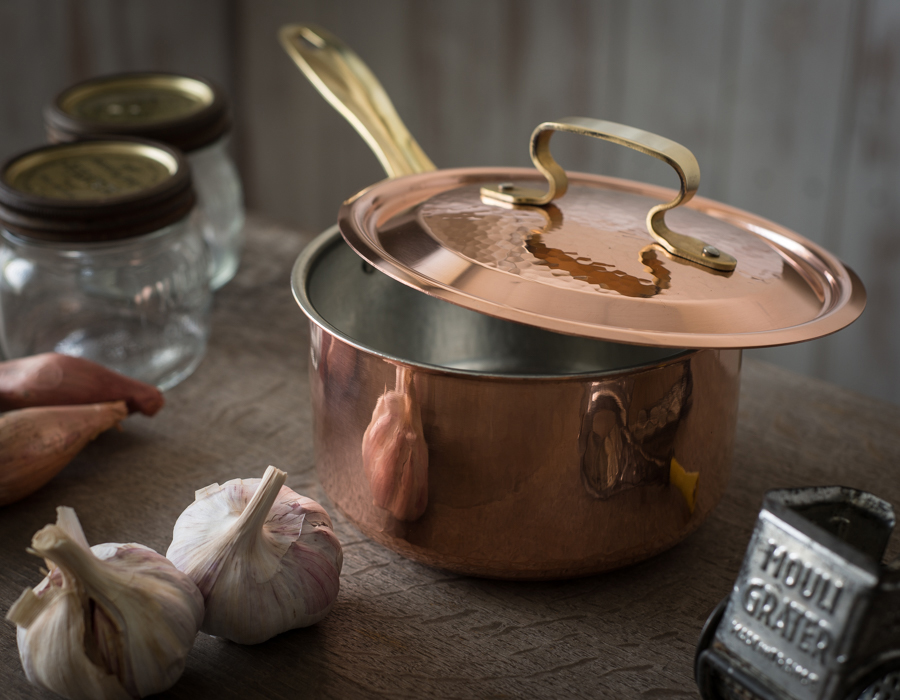
Credit: www.allorashop.com
Non-obvious Insights About Copper Pans
Many beginners miss a few important points when using or buying copper pans:
- The thickness of the copper layer matters. Thin copper pans may look pretty but don’t give the same even heat as thicker, professional-grade pans. Look for pans with at least 2.5mm of copper for best results.
- Handle types affect use and comfort. Some copper pans have brass handles, which can get hot, while others use iron or stainless steel. If you have sensitive hands, look for pans with heat-resistant or ergonomic handles.
- Lining material changes cooking experience. Tin linings are nonstick and gentle but may need retinning after years. Stainless steel linings last longer but can stick more. Choose based on what you cook most.
- Copper pans are not for induction cooktops. Most copper pans don’t work on induction unless they have a special magnetic base. If you use induction, check for this feature before buying.
- Copper pans are not always “nonstick.” You may need more oil or butter compared to modern nonstick pans. This is normal and part of traditional cooking.
- Retinning is a service worth knowing. If you find an old copper pan at a market, it can often be restored to like-new condition. This makes copper a good long-term investment.
Myths And Misunderstandings About Copper Pans
It’s easy to find myths about copper cookware. Let’s clear up a few:
- Myth: “Copper pans are toxic.”
Fact: Lined copper pans are perfectly safe for everyday cooking. Only unlined pans used with acidic foods can be risky.
- Myth: “Copper pans are too delicate for daily use.”
Fact: With normal care, copper pans are very durable and can be used every day.
- Myth: “They are only for professionals.”
Fact: Home cooks can benefit just as much, especially for recipes where control matters.
How To Choose The Right Copper Pan
Buying a copper pan is an investment. Here’s what to look for:
Thickness
The best copper pans are 2. 5–3mm thick. Thinner pans may be cheaper but won’t give the same benefits.
Lining
Decide between tin and stainless steel linings. Tin is traditional and nonstick, but stainless lasts longer. For general use, stainless is often a good choice.
Size And Shape
Consider what you cook most:
- Saucepan: Great for sauces, custards, and boiling.
- Sauté pan: For browning and shallow frying.
- Fry pan/skillet: For eggs, pancakes, and fish.
Handle Type
- Brass: Traditional, but gets hot.
- Stainless steel: Stays cooler, easier to grip.
Brand Reputation
Choose brands with a history of quality. French brands like Mauviel, De Buyer, and Matfer Bourgeat are well-known. There are also good options from Italy and the US.
Price
Copper pans are expensive, but you get what you pay for. Avoid very cheap pans—they often use thin copper or poor-quality linings.
Real-world Examples And Data
Copper pans are used in Michelin-starred restaurants and by famous chefs worldwide. For example, the kitchens of the Le Meurice hotel in Paris use nearly 100 copper pots and pans daily. Many professional pastry chefs won’t make caramel or sugar syrup in anything else.
In a 2021 survey of 100 professional chefs by Food & Wine Magazine, 76% said they preferred copper for sauces and sugar work. In blind tests, cooks using copper pans made fewer mistakes with temperature control compared to those using stainless or aluminum.
Common Mistakes To Avoid With Copper Pans
- Using high heat: Copper heats so efficiently that you rarely need to use the highest settings. Medium or medium-low is usually enough.
- Letting acidic foods sit: If your pan is unlined, don’t let tomato sauce or lemon juice stay in the pan after cooking.
- Skipping regular cleaning: Tarnish is harmless, but grease and food residue can build up if not cleaned.
- Ignoring worn lining: If you see copper showing through, stop using the pan until it’s retinned.
- Not drying after washing: Water spots can dull the shine and cause spots.
Are Copper Pans Worth The Investment?
The answer depends on your cooking style and budget. If you value precision, control, and durability, copper pans are a solid investment. They reward cooks who enjoy making sauces, candies, and delicate dishes. If you want something easy to use and maintain, stainless steel or nonstick might suit you better.
But for those who love cooking and want tools that last, copper is hard to beat. The right pan can become a favorite kitchen companion, making everyday meals and special occasions better.
Environmental And Health Considerations
Copper is a natural element that can be recycled. Many old copper pans are restored and reused rather than thrown away. Unlike nonstick pans, which often end up in landfills, copper has a lower environmental impact when cared for properly.
When used as intended (with a safe lining), copper pans do not pose health risks. In fact, the small amount of copper you may ingest from normal use is well below safe limits. According to the US Environmental Protection Agency, the safe daily copper intake for adults is up to 10 mg, much more than you’d get from cooking with a lined pan.
Where To Buy And What To Expect
Quality copper pans can be found at specialty kitchen stores, online retailers, and sometimes at estate sales or antique shops. Expect to pay $150–$400 for a good new copper pan, depending on size and brand. Vintage pans may be less, but factor in the cost of retinning if needed.
For more on the science and history behind copper cookware, see this Wikipedia article.

Credit: hestanculinary.com
Frequently Asked Questions
What Foods Should I Avoid Cooking In Copper Pans?
You should avoid cooking highly acidic foods like tomatoes, vinegar, or citrus in unlined copper pans, as the acid can react with the copper. Lined pans are safe for all foods.
How Often Do I Need To Retin A Copper Pan?
If your pan is lined with tin, it may need retinning every 10–20 years, depending on use. Signs you need retinning are worn or scratched lining where copper shows through.
Can I Use Copper Pans On Induction Cooktops?
Most copper pans will not work on induction stoves unless they have a magnetic stainless steel base. Check the product details before buying if you use induction.
Do Copper Pans Require Special Cleaning Products?
You don’t need special products. A mix of lemon and salt, or a commercial copper cleaner, is enough. Avoid harsh abrasives and always dry the pan after washing.
Are Copper Pans Heavy?
Copper pans are medium weight. They are lighter than cast iron but heavier than aluminum or nonstick pans. Their weight helps with heat distribution and stability on the stove.
Copper pans are more than just a pretty addition to your kitchen—they are tools that can help you cook better. With their fast, even heating and lasting value, they offer unique benefits for both beginners and serious cooks. Take care of your copper, and it will take care of your food for years to come.