How to Kill Snails in Aquarium: Safe Plant Methods
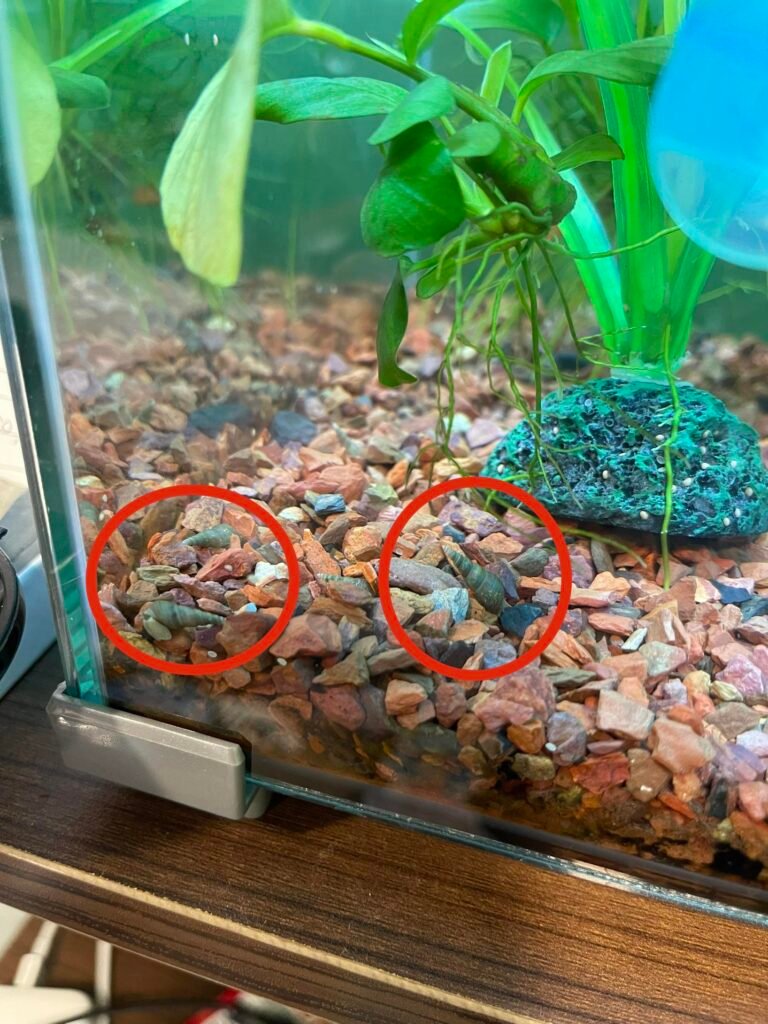
To kill snails in an aquarium without harming plants, soak the plants for five minutes in a bleach solution, then rinse well. However, be cautious as bleach may damage fragile …

To kill snails in an aquarium without harming plants, soak the plants for five minutes in a bleach solution, then rinse well. However, be cautious as bleach may damage fragile …

To get a discount at the Monterey Bay Aquarium, you can present a valid SNAP EBT card at the Main Entrance along with a matching photo ID for free admission. …
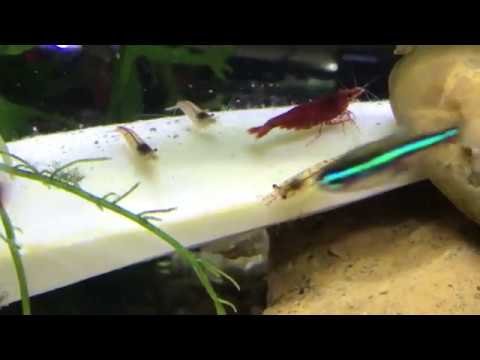
To add cuttlebone to an aquarium, simply place it in the tank to release calcium for snails and shrimp. Some people prefer to boil it to make it sink, while …
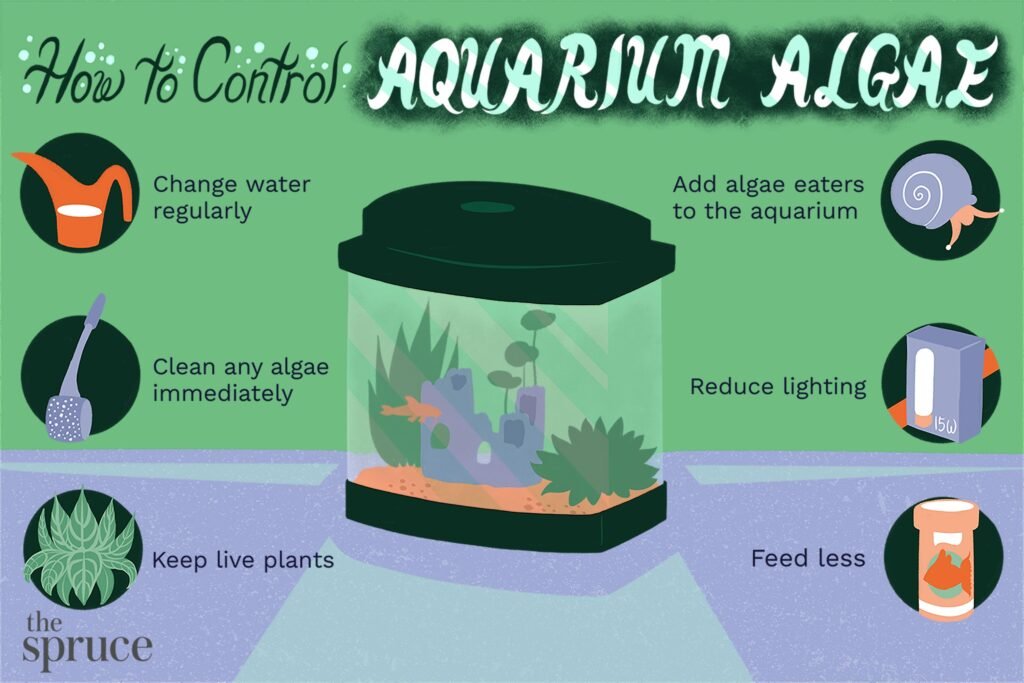
To keep algae from growing in an aquarium, consider placing the tank in an area with less direct light and regularly changing the water. Test the water to ensure optimal …
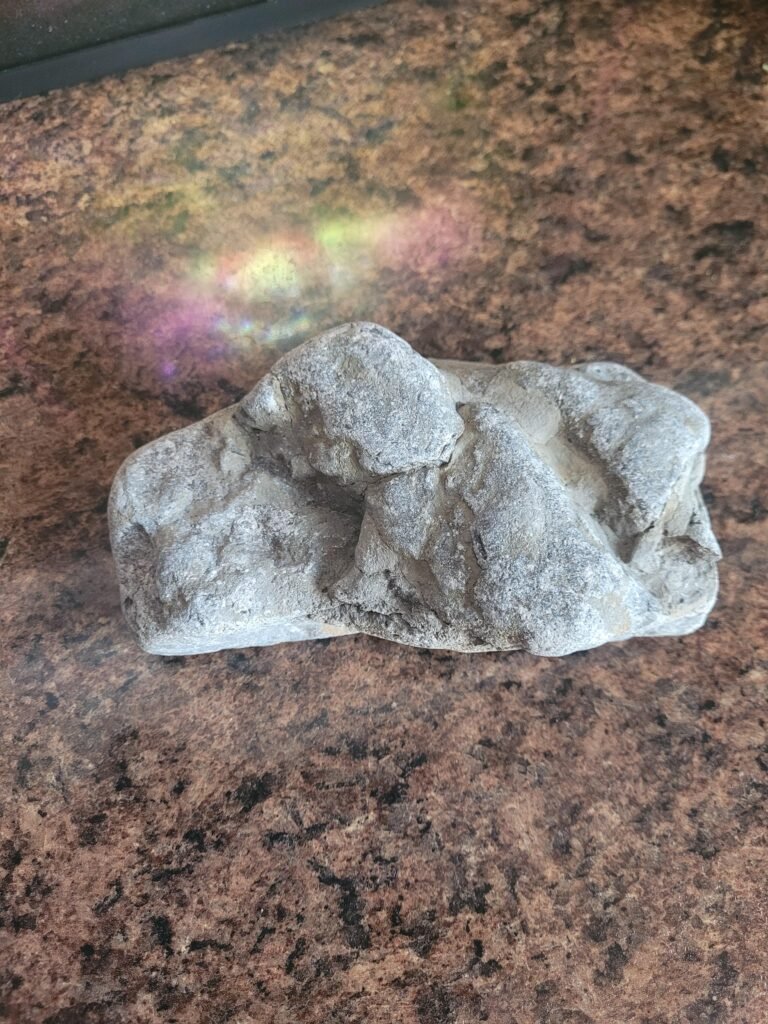
To check if rocks are safe for aquarium, perform a vinegar test. Pour vinegar on the rock and observe for any fizzing or dissolving. This indicates that the rock is …
To adjust pH in aquariums, you can use natural methods such as adding peat moss, driftwood, or catappa leaves. These natural elements gradually lower the pH and create a suitable …
To program a Nicrew LED Aquarium Light, refer to the user guide for specific instructions. You can find helpful tutorials and videos on platforms like YouTube, including guides on programming …

To make a virtual aquarium, you can use apps like Ocean Pets that allow you to create and animate your own sea creatures. These apps provide tutorials on how to …
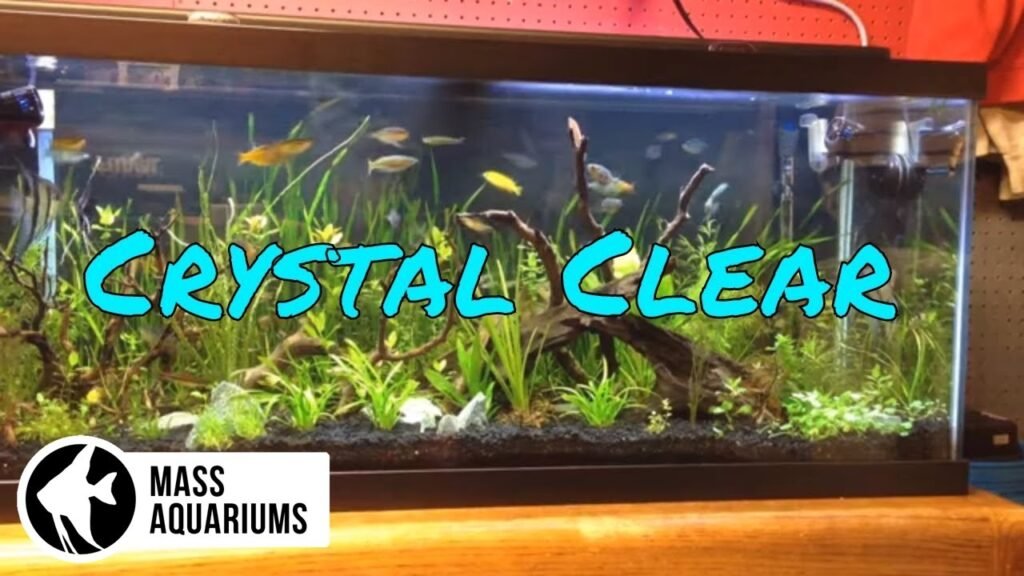
To polish aquarium water, use activated carbon or crushed charcoal to remove dyes and odors. These chemical filter media are highly effective in achieving crystal-clear water. Additionally, utilizing reverse osmosis …
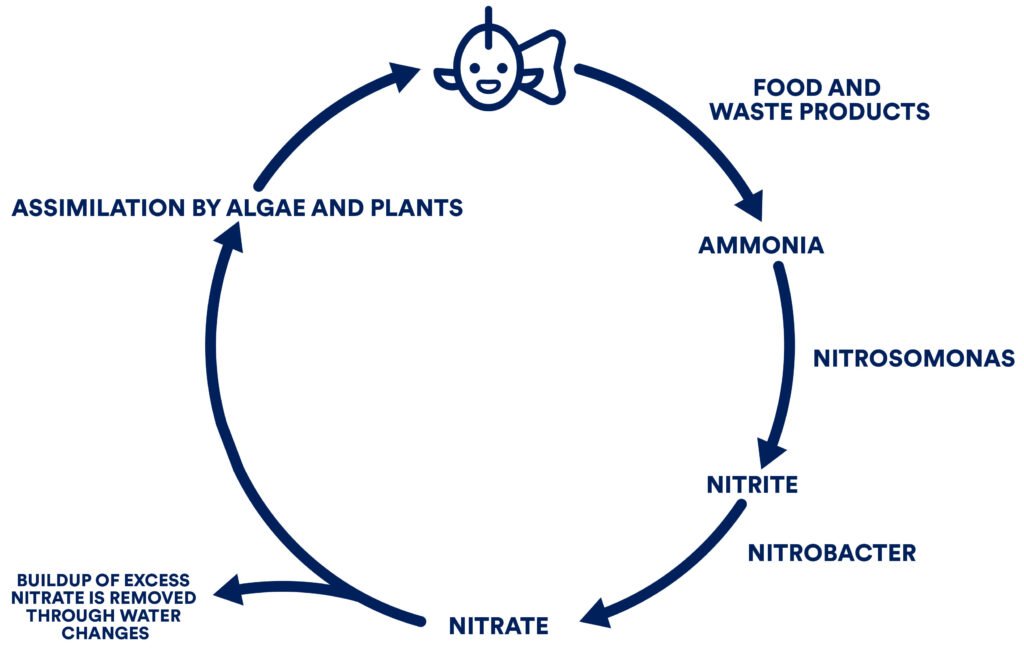
To cycle an aquarium with ammonia, add a small amount of pure ammonia to the tank water and test the ammonia levels regularly. Once the ammonia starts to drop and …
To calculate the acrylic thickness for an aquarium, consider the height of the tank. The taller the tank, the greater the water pressure, and therefore, the thicker the acrylic needs …