
Setting your thermostat correctly for both upstairs and downstairs can be tricky. You want your home comfortable, but also energy efficient.
Many homes have temperature differences between floors. Upstairs might be warmer, while downstairs is cooler. This happens due to heat rising. Knowing how to set your thermostat can help balance these differences. It can also save you money on energy bills.
In this guide, we will explain the best ways to set your thermostat for both upstairs and downstairs. By the end, you will know how to keep every part of your home comfortable all year round. Let’s dive in and make your home cozy and efficient!
Types Of Thermostats
Setting the thermostat right can make a big difference in your home’s comfort. Different types of thermostats offer various features and benefits. Choosing the right one can help you manage the temperature upstairs and downstairs more effectively.
Manual Thermostats
Manual thermostats are the most basic type. You adjust the temperature by turning a dial or sliding a lever. They are easy to use but need regular adjustments. These thermostats are inexpensive but less efficient than advanced types.
Programmable Thermostats
Programmable thermostats allow you to set schedules for different times of the day. You can program them to lower the temperature at night and raise it in the morning. This feature saves energy and keeps your home comfortable. These thermostats are more complex but offer better control over your heating and cooling.
| Feature | Manual | Programmable |
|---|---|---|
| Ease of Use | High | Medium |
| Energy Efficiency | Low | High |
| Cost | Low | Medium |
Smart Thermostats
Smart thermostats offer the most advanced features. You can control them using a smartphone app. They learn your schedule and adjust the temperature automatically. Some can even detect when you are away and adjust settings to save energy.
- Remote control via app
- Learning capability
- Energy-saving features
These thermostats are the most expensive but offer the best control and convenience. They are ideal for managing temperatures in different areas of the house.
Factors Affecting Temperature Settings
Setting the thermostat for different levels of your home can be tricky. Several factors can influence the ideal temperature settings for upstairs and downstairs. Understanding these factors can help you maintain a comfortable home environment year-round.
Home Layout
The layout of your home significantly affects temperature distribution. Open floor plans allow air to circulate more freely. This can make it easier to maintain consistent temperatures. In contrast, homes with many rooms and hallways may experience varied temperatures. Upstairs rooms often trap heat, making them warmer than downstairs areas.
Sunlight Exposure
Sunlight exposure plays a crucial role in temperature settings. Rooms that receive direct sunlight can become much warmer. South-facing windows typically get the most sun throughout the day. This can increase the temperature in those areas. Conversely, north-facing rooms may stay cooler. Adjusting the thermostat based on sunlight exposure can help balance temperatures.
Insulation Quality
Good insulation keeps your home at a stable temperature. Poor insulation can lead to heat loss or gain, affecting comfort levels. Well-insulated homes maintain more consistent temperatures between floors. Check the insulation in your attic and walls. Improving insulation can reduce the need for constant thermostat adjustments.
Optimal Temperature Settings
Finding the right temperature for your home can be tricky. It’s important for comfort and energy efficiency. Balancing the temperature between upstairs and downstairs is key. This helps ensure your home stays comfortable year-round. Let’s explore optimal temperature settings for both summer and winter.
Summer Settings
During summer, heat rises. Upstairs areas often feel warmer than downstairs. Set your thermostat to 78°F (25.5°C) when you are at home. This keeps your house cool without using too much energy. At night or when you’re away, set it to 85°F (29.5°C). This helps save on cooling costs.
For multi-story homes, a programmable thermostat works best. Set the upstairs thermostat a few degrees higher than downstairs. This helps balance the temperature throughout your home. Use fans to circulate air. They help keep rooms cool without overworking the AC.
Winter Settings
In winter, warm air rises, making upstairs warmer. Set your thermostat to 68°F (20°C) during the day. This keeps your home comfortable and saves energy. Lower it to 60°F (15.5°C) at night or when you’re away. This reduces heating costs.
For a balanced home, set the upstairs thermostat a few degrees lower than downstairs. This helps keep the temperature even throughout your house. Use space heaters if needed. They can warm specific areas without raising the whole house temperature.
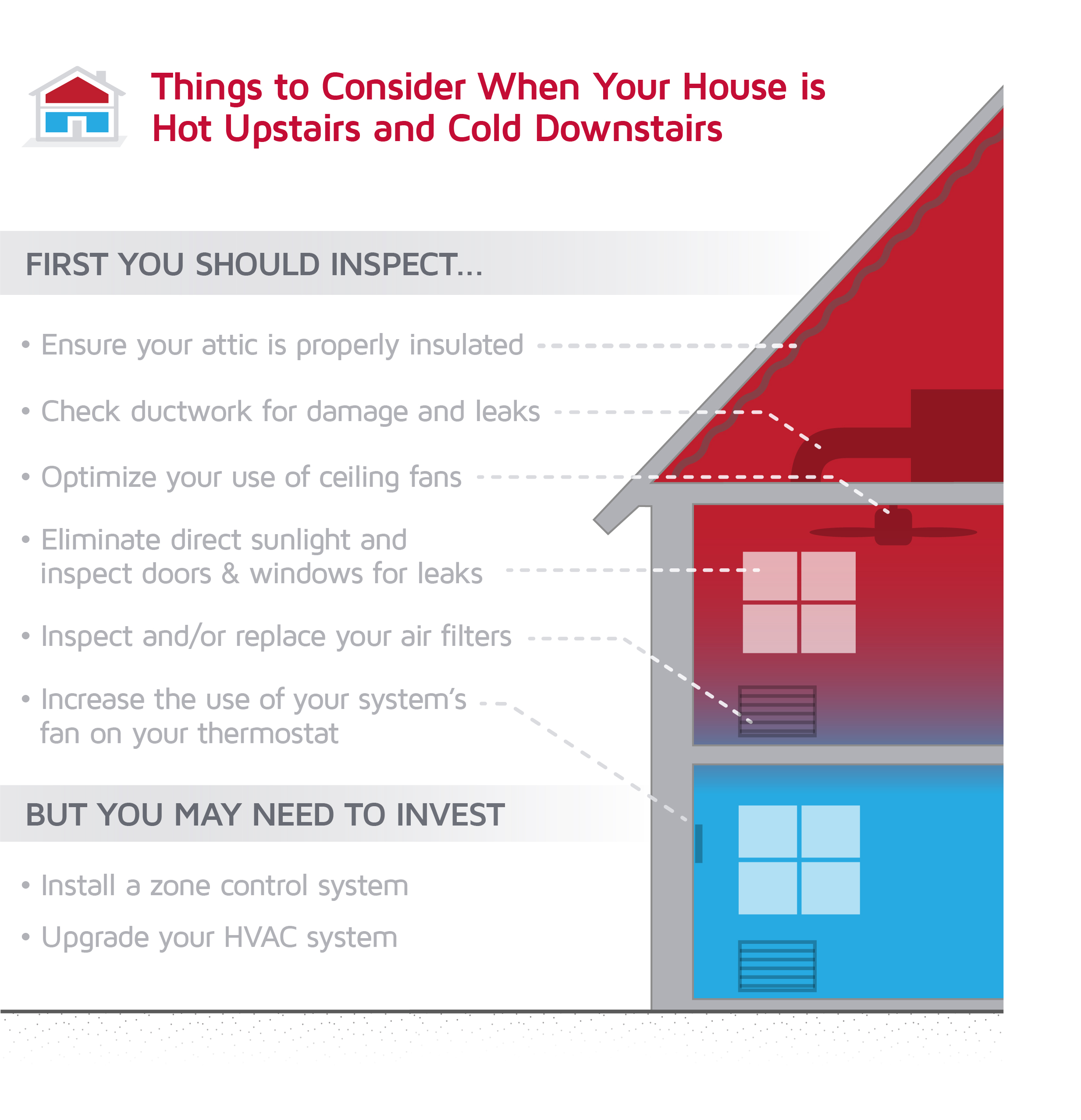
Credit: www.lennox.com
Setting Thermostat Upstairs
Setting the thermostat upstairs can impact your comfort and energy use. Different levels in your home may need different settings. Let’s explore the best ways to set the thermostat upstairs.
Daytime Settings
During the day, upstairs areas can get warmer. Heat rises, making upper floors hotter. Set the thermostat a bit higher upstairs. This saves energy and keeps you cool. Aim for 75-78 degrees Fahrenheit. This range balances comfort and efficiency.
Nighttime Settings
At night, upstairs temperatures can drop. Setting a lower temperature can help you sleep better. Try setting the thermostat to 68-70 degrees Fahrenheit. This range is comfortable for most people. It also helps save on heating costs.
Setting Thermostat Downstairs
Adjusting the thermostat downstairs can be tricky. You want to keep the area comfortable while ensuring the entire house has consistent temperatures. The downstairs area often serves as the main living space. This means it needs special attention when setting the thermostat.
Daytime Settings
During the day, the downstairs area sees the most activity. Set the thermostat to a comfortable level. Aim for 68-72 degrees Fahrenheit. This range keeps the living space pleasant. It also helps in conserving energy.
If the sun heats the downstairs area, lower the thermostat a bit. This adjustment can help manage the extra warmth. Use curtains or blinds to block direct sunlight. This also helps in maintaining a cooler environment.
Nighttime Settings
At night, the downstairs area is usually less occupied. Set the thermostat to a lower temperature. Aim for 60-65 degrees Fahrenheit. This saves energy and reduces costs. You can use blankets or warmer clothing if it feels too cold.
Consider using a programmable thermostat. It adjusts the temperature automatically. This ensures the downstairs is comfortable when needed. It also reduces energy use when the area is not in use. This simple step can make a big difference in comfort and savings.
Tips For Balancing Temperatures
Balancing temperatures between upstairs and downstairs can be challenging. Uneven heating and cooling can make your home uncomfortable. Here are some tips to help you set your thermostat effectively for both levels of your house.
Using Ceiling Fans
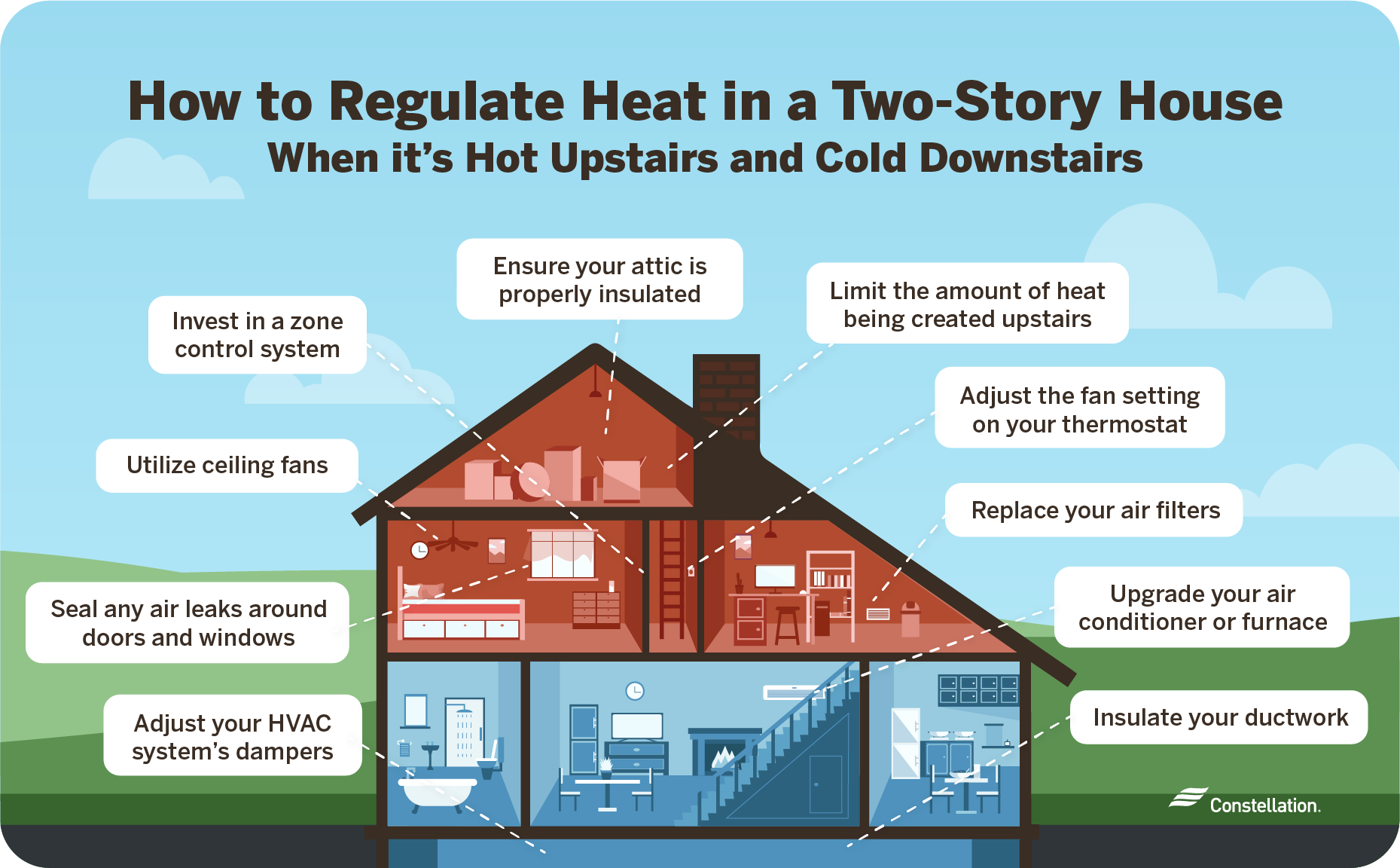
Ceiling fans can greatly help in balancing temperatures. They push the warm air down during winter. In summer, they create a breeze to make rooms feel cooler. Here are some tips for using ceiling fans:
- Winter: Set fans to rotate clockwise. This pushes warm air down.
- Summer: Set fans to rotate counterclockwise. This creates a cool breeze.
Ensure fans are running at the correct speed for each season. This simple change can improve comfort significantly.
Installing Zoning Systems
Zoning systems allow for independent temperature control in different areas. You can set different temperatures for upstairs and downstairs. This helps in managing heat distribution effectively. Here are the benefits of zoning systems:
| Benefit | Description |
|---|---|
| Energy Efficiency | Only heat or cool areas in use. |
| Custom Comfort | Set different temperatures for each zone. |
| Cost Savings | Reduce energy bills by optimizing usage. |
Consider installing a zoning system for better temperature management.
Sealing Air Leaks
Air leaks can cause uneven temperatures. Sealing these leaks helps maintain consistent temperatures. Check for leaks in the following areas:
- Windows and doors
- Attic and basement
- Electrical outlets
- Plumbing vents
Use weatherstripping and caulk to seal leaks. This prevents air from escaping and keeps your home comfortable. Regular maintenance is key to ensuring effective sealing. A well-sealed home is easier to heat and cool efficiently.
Common Mistakes To Avoid
Setting your thermostat for upstairs and downstairs can be tricky. Making common mistakes can lead to discomfort and higher energy bills. Let’s look at some of these common mistakes and how to avoid them.
Ignoring Seasonal Changes
One common mistake is ignoring seasonal changes. Not adjusting your thermostat for different seasons can cause problems. In summer, heat rises, making upstairs warmer. In winter, the opposite happens.
During summer, set your upstairs thermostat slightly higher. This prevents your AC from overworking. Set your downstairs thermostat a bit cooler to balance the temperature.
In winter, reverse the settings. Set the upstairs thermostat slightly cooler and the downstairs thermostat warmer. This helps distribute heat evenly.
Setting Extreme Temperatures
Another common mistake is setting extreme temperatures. Setting your thermostat too high or too low can be harmful. It stresses your HVAC system and increases energy bills.
Maintain a moderate temperature range. In summer, keep your thermostat around 78°F (25°C) when you are home. In winter, aim for 68°F (20°C).
Use a table to remember these settings:
| Season | Upstairs | Downstairs |
|---|---|---|
| Summer | Higher | Lower |
| Winter | Lower | Higher |
By avoiding these common mistakes, you can ensure a comfortable home and save on energy bills.
Credit: blog.constellation.com
Credit: blog.constellation.com
Frequently Asked Questions
How Should I Set My Upstairs Thermostat In Winter?
Set your upstairs thermostat to a few degrees cooler than downstairs. Heat rises, so this balances the temperature.
What Is The Ideal Thermostat Setting For Two-story Homes?
Keep downstairs slightly warmer than upstairs. Aim for 68°F downstairs and 65°F upstairs for comfort and efficiency.
Should Upstairs And Downstairs Thermostats Be The Same?
No, they should differ. Set downstairs warmer than upstairs to account for rising heat and maintain comfort.
How Do I Balance Temperature Between Floors?
Use programmable thermostats. Set downstairs warmer and upstairs cooler. Adjust vents and fans to improve airflow.
Why Is My Upstairs Hotter Than Downstairs?
Heat naturally rises. Set upstairs thermostat cooler, and use fans to circulate air for balanced temperatures.
Conclusion
Setting your thermostat correctly upstairs and downstairs can improve comfort and efficiency. Use consistent settings to balance temperature throughout your home. Experiment with small adjustments to find the best temperature for each floor. Remember to consider factors like sunlight and insulation.
Regular maintenance of your HVAC system also helps. By following these tips, you can ensure a comfortable living environment. Happy adjusting!